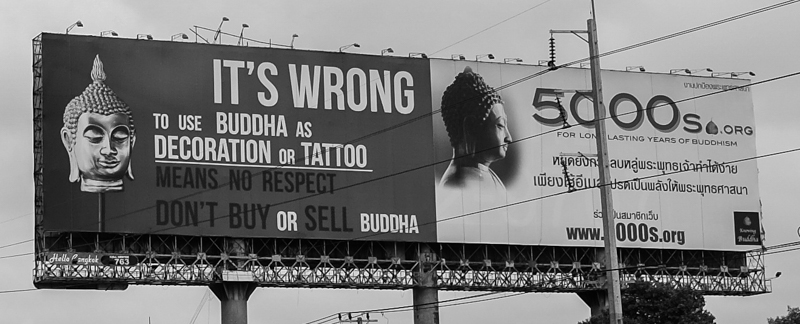
Random photos from a journey through Watson Lake, British Columbia – August 2013.
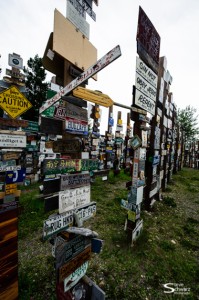
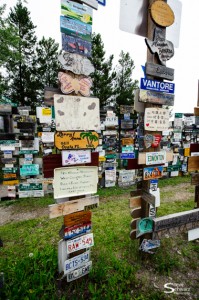
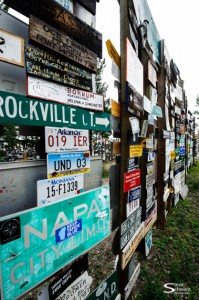
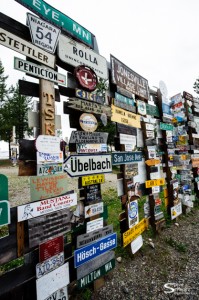
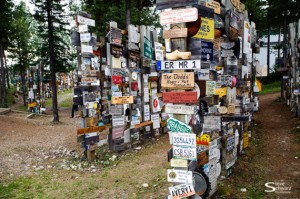
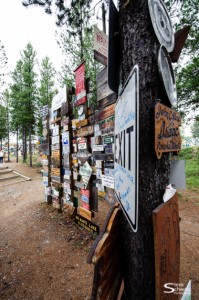
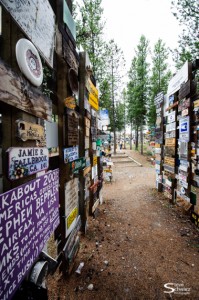
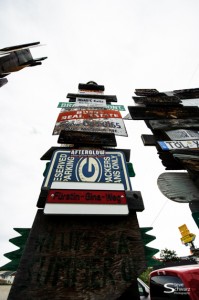
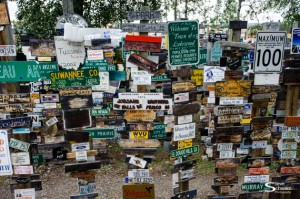
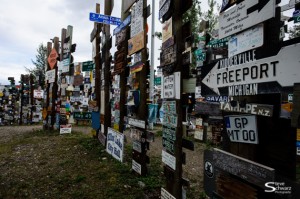

Random photos from a journey through Watson Lake, British Columbia – August 2013.

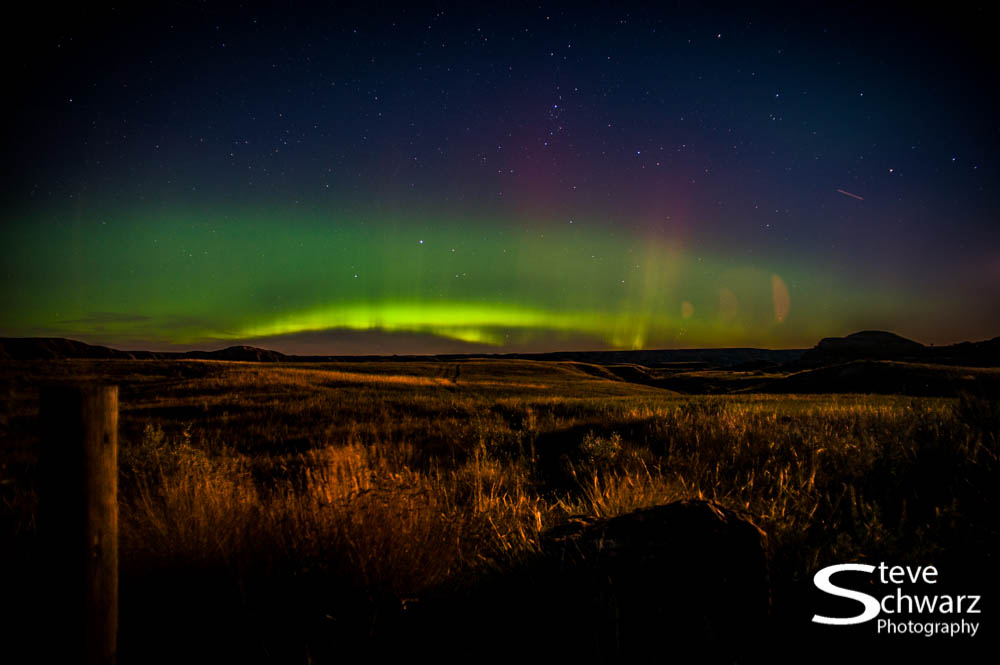
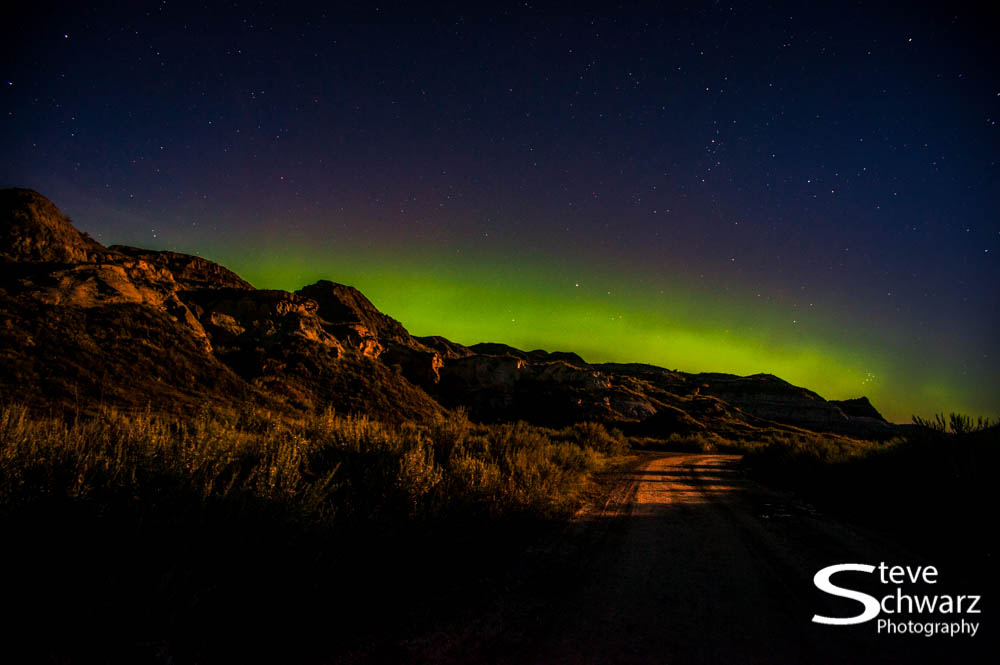
Photographing the northern lights is always exciting and challenging. These northern lights were photographed in the badlands of Alberta where the dinosaurs once roamed (65 million years ago) under a full moon. The orange glow on the left side are the street lights of Brooks, Alberta approximately 50km away.
My usual area for photographing the northern lights is northern Canada. Here in the badlands of Alberta, my night time roaming for the best view point was hampered by the fear stepping near a rattle snake, cacti or in a sink hole, or slipping on the damp and extremely slippery Bentonite, a type of ancient mud rich in volcanic ash.
Nikon D700, and Leica 19mm lens (with Leitax adapter). Exposure time of 25 seconds f/6.6, ISO 800. Note EXIF info is incorrect.
Click on the photos to see them larger.

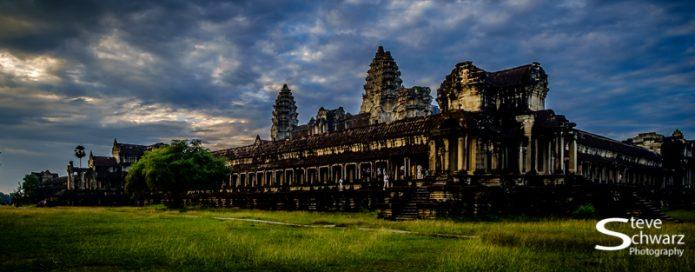
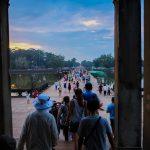
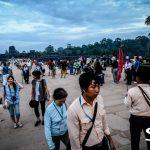
If you are thinking about having a quiet romantic view of sunset at Angkor Wat – think again. Unless it is a torrential downpour, you will be sharing the view with several thousand people. Some viewpoints are so crowded that you can’t even sit down, let alone find a bit of space to put up a tripod for your camera.
On a recent trip to Angkor Wat, I decided to avoid the places that were jam packed with other tourists, and seek out my own places to enjoy the view.
Some will comment that my photos are not as good as those taken from the favorite spots – maybe, though I was able to enjoy the view, and not be endlessly jabbed in the ribs by some other photographer trying to get a good shot.
CLICK on the images below to see them larger.
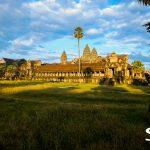
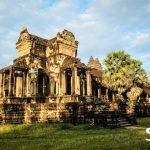
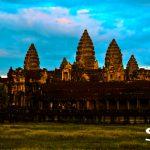
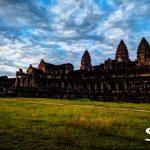
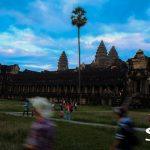
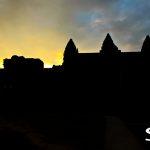
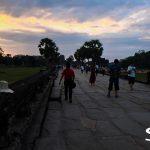
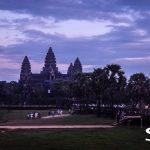
Interested in following this Blog ?. Signup for updates below.

Imagine if Henry Ford made cameras. Henry Ford didn’t invent the automobile, he pioneered techniques for apply assembly line manufacturing to the mass production of affordable automobiles. The Ford Model ‘T’ was designed to be simple to operate, maintain and affordable.
The Ford Model ‘T’ was in production for 19 years, and within 10 years of its introduction, more than half the cars in America were Model T’s. (http://en.wikipedia.org/wiki/Henry_Ford).
Any customer can have a car painted any colour that he wants so long as it is black.
Henry Ford. Remark about the Model T in 1909, published in his autobiography My Life and Work (1922) Chapter IV, p. 71.
So what does this mean to photographers ?. Imagine, if Henry Ford designed and made cameras – they would be simple to operate, in-expensive, there would be a lot of them on the roads, and they would all be the same.
The point of all this being – most photographers would be using the same camera. There would be no more endless debates on camera brand X being better than brand Y, and no more discussion about ‘some photographers are better because they have better gear’.
The greatest benefit of all photographers having the same camera would be that the great photographers would still be great, and still be able to produce truly inspiration photographs. As for the want-to-be great photographers they would no longer be asking which brand of camera they should buy, or simply buying professional-quality cameras because they think a better camera would lead to better photographs. Instead, the want-to-be better photographers could concentrate on the act and action of photography, and explore their surroundings and thoughts while pressing the shutter.

In culinary terms ‘stewing can best be described as the process of combining solid food ingredients that have been cooked in liquid and served in the resultant gravy. Ingredients in a stew can include any combination of vegetables (such as carrots, potatoes, beans, peppers and tomatoes, etc.). While water can be used as the stew-cooking liquid, wine, stock, and beer are also common. Seasoning and flavourings may also be added. Stews are typically cooked at a relatively low temperature (simmered, not boiled), allowing flavors to mingle (http://en.wikipedia.org/wiki/Stew).
No – this isn’t a blog post about cooking, though the analogy can be used to describe my emotions and physical state. Although I have taken a Thai cook class and a basic sense of what ingredients and spices are added to the typical Thai meal, in this case, the solid food in this stew is me and my and my family (and mother in-law), traveling for a month in Thailand. We are not used to the heat in south east Asia, to the analogy for stewing in the heat is quite true.
Add some Thai spices; shallots (Culture), garlic (language), green and red chilies (history), dried or fresh coriander (religion), Thai chili powder (festivals), galangal (wildlife-elephants, poisonous snakes and giant insects), green peppercorns (interactions with other tourists), lemongrass (soldiers in the streets – carrying flowers and bottled water (not guns), turmeric (missing friends), kaffir lime leaves, and fresh basil (incredibly gently and polite people).
As in a typical stew, we have added large amounts of bottled water to the broth, and beer ;>
All those spices need time to simmer and blend to allow the flavors to mingle.
Even after a month in Thailand, the flavor of the stew is not quite right. Too Spicy or Too Sweet ?. My taste buds can’t seem to get it right; and my heart and emotions need more time to stew and enjoy all of the Thai spices and flavors.

On the night of the full moon of the twelve-month of the Thai lunar calendar in Chaing Mai, is the Loy Krathong festival. Although the festival continues for three days, it is the evening events that are the most spectacular.
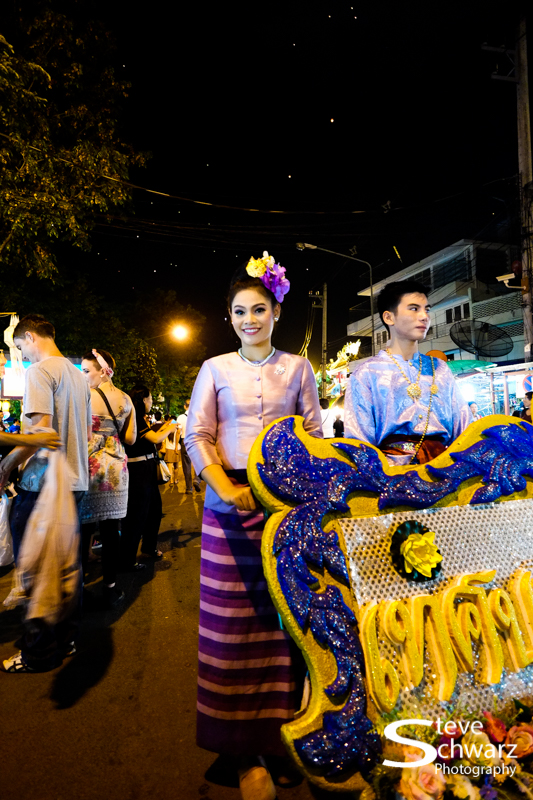
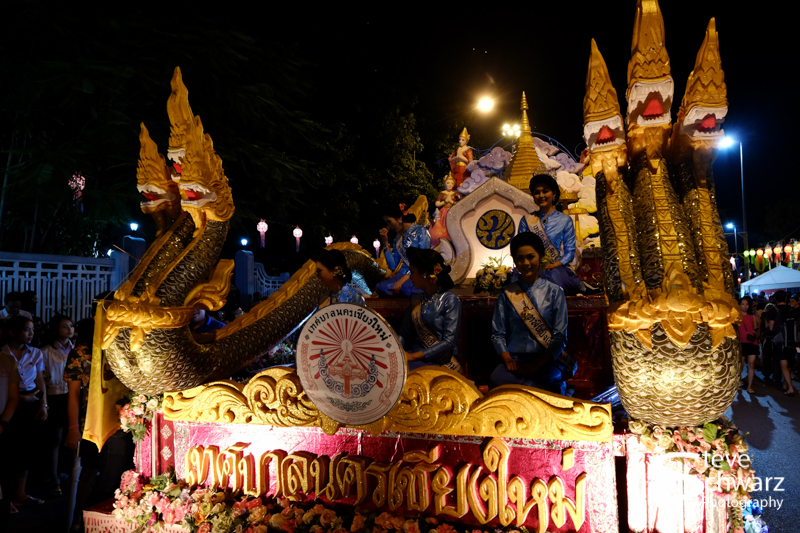
The night sky is filled with thousands of lanterns, fireworks, firecrackers, the streets packed with people, and parade of dancers and elaborately decorated floats pass through the city streets, and Krathong (small floats made from banana leaves and decorated with flowers and a candle), launched in the Mae Ping River on the full moon night to bring good luck.
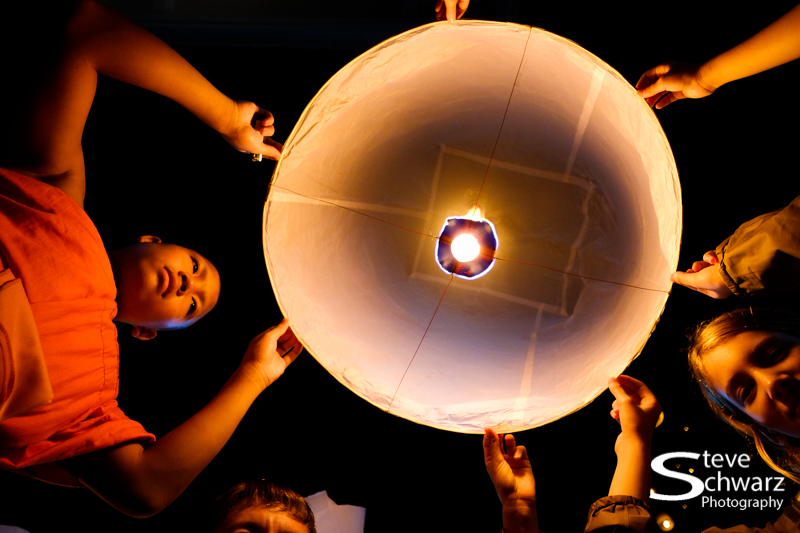
A young Monk helps launch this lantern.
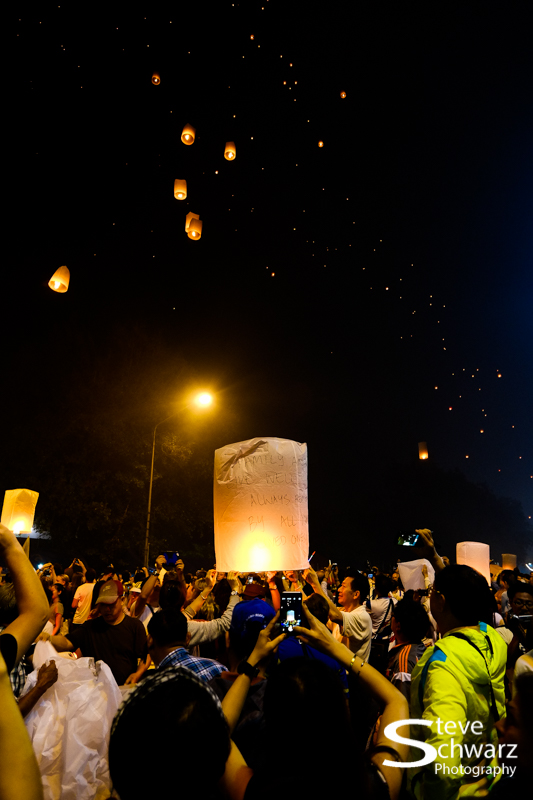
Some people say a prayer before letting go of the lantern, while others write message on their lantern.
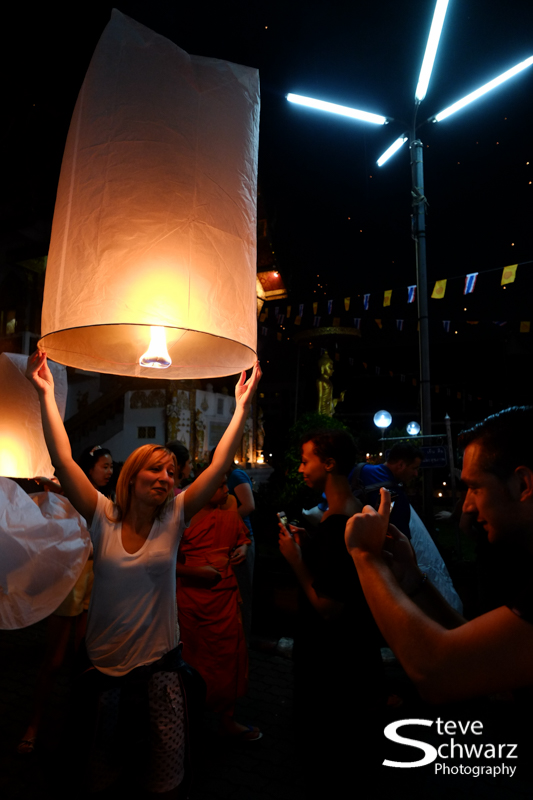
Tourists launching one of the thousands of sky lanterns.
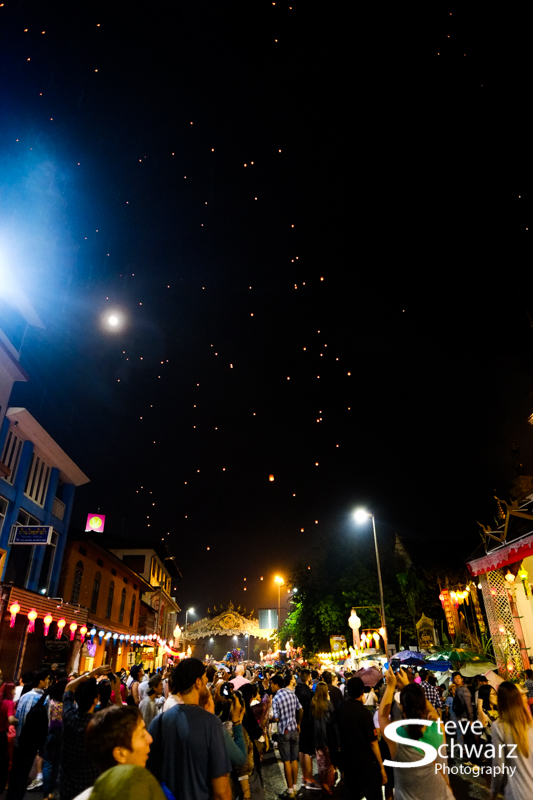
As the lanterns slowly rise into the night sky, they gradually get smaller and smaller and eventually just disappear into the darkness.






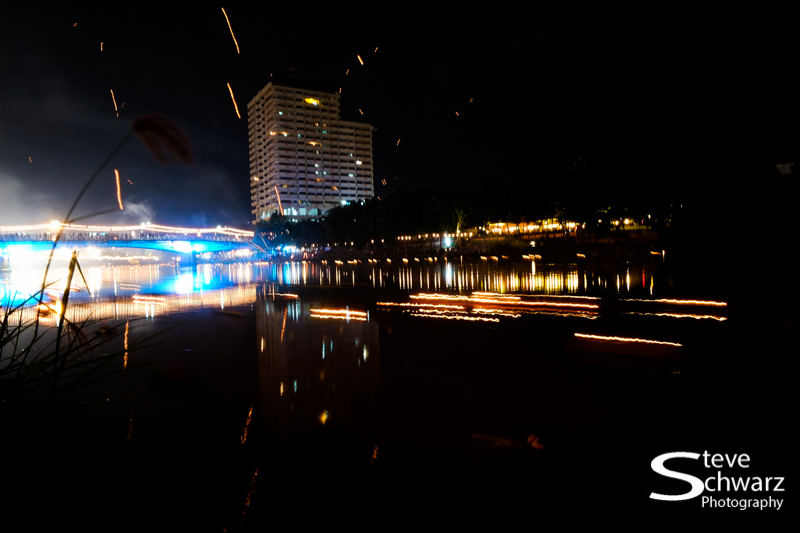
Trails from lighted sky lanterns, floating Krathong on the Mae Ping River in Chaing Mai.


11,973 Photos: Too many, or not enough ?
Before you answer – think about what do Pablo Picasso, Leonardo da Vinci, Vincent van Gogh, Claude Monet, Salvador Dali and Rembrandt have in common ?.
None of these painters were ‘one hit wonders’; their career and popularity was not based on a single painting. They went to school, learned from the masters, imitated the masters, and developed their own techniques, and most importantly, they practiced their technique…they painted, and painted and painted.
The same for can be said for photographers. Annie Leibovitz, Joe McNally, Ansel Adams, Yousuf Karsh, Henri Cartier-Bresson were not ‘one hit wonders’; each of these photographers took large numbers of photos during their lifetime.
In Malcolm Gladwell’s book ‘Outliers’ he claims that the key to success in any field is, is for the most part due to practicing a specific task for a total of around 10,000 hours. The same concept applies to photographers;
“Your first 10,000 photographs are your worst.”
― Henri Cartier-Bresson
With modern cameras, you can hold down the shutter release and easily take 10,000 photos. By the math, with a camera that can take 7 frames per second it would take 1428 seconds (or only 24 minutes). Doing this doesn’t achieve anything other than get a blister on your thumb !.
Those 10,000 photos need to be creative, they need intellectual thought, emotion and consideration of point of view, angle, shutter speed, aperture, composition, subject, and lighting. These are but a few things to consider.
Those 11,973 photos – is is enough, or not enough ?. It is not all about the numbers; practice and experience is better.
The take-away message is:
Don’t count the number of photos.
It is better to enjoy what you are doing, learn from what you are doing and and the end of the day, keep only the best.
Be like the monkey in this photo with a bag of garbage: eat (keep) the good stuff, and toss the rest.
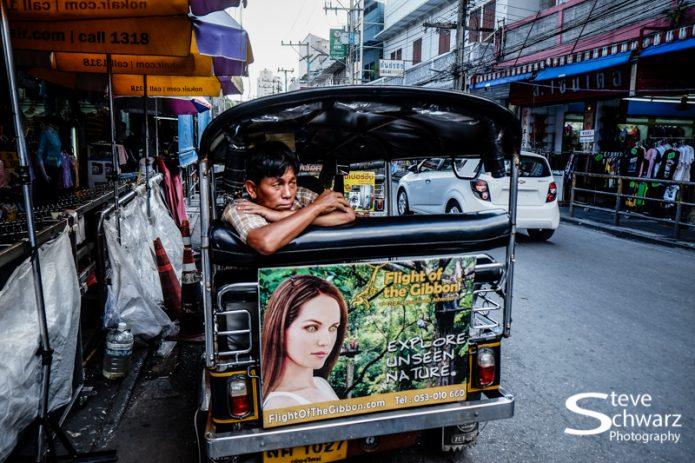
I’ve been in Thailand for three weeks, and already have 11,791 photos. That works out to 3930 photos per week….561 photos per day. It is nuts. Really Nuts, though with a camera that can do 7 frames per second – it would only take 28 minutes to take that many photos. I digress – it isn’t just about the numbers.
For me, photography can be compared to picking berries. You pick, and pick and pick while the picking is good and only stop when either your basket is full, or there are no more berries to pick. Then the real works starts by making jam from all those berries. Simply, the more berries you have, the more time you have to spend making jam.
It is all about collecting.
So – assuming that there is an infinite supply of berries and baskets ?. In photography terms that would mean an infinite supply of things to photograph, and endless hard drive space. Really this is entirely possible: there is so much to photograph and hard drives are cheap.
At what point do you need to say ….ENOUGH !.
11,791 photos. Not commenting on the quality of the photos, surely 11,791 is enough; what the heck am I going to do with all those photos anyway ?.
My basket is (at least temporarily) full, and it is time to do some thing with those images. Step one is to categorize and rank them, and delete the obvious bad images, decide on which images to keep as-is, which images need additional post processing (touch-ups) and, which to keep for additional creative processing (stretch and pull, wring and squeeze post processing). The process of categorizing, ranking, and deciding on how to process these images can take days!.
How many Wat (Temples) photos is enough ?. How many photos of Buddha is enough ?. How many photos of the market stalls piles high with spices, fruit, or meat (?), do I really need ?. How many photos of Thai people is enough ?.
There is probably no easy answerer to these questions, no ‘Coles’ to give the short answer, and asking Buddha will not give you the right answer.
Oh – I miss the days of film. Each roll could only hold 36 exposures – so you were more selective before pressing the shutter.
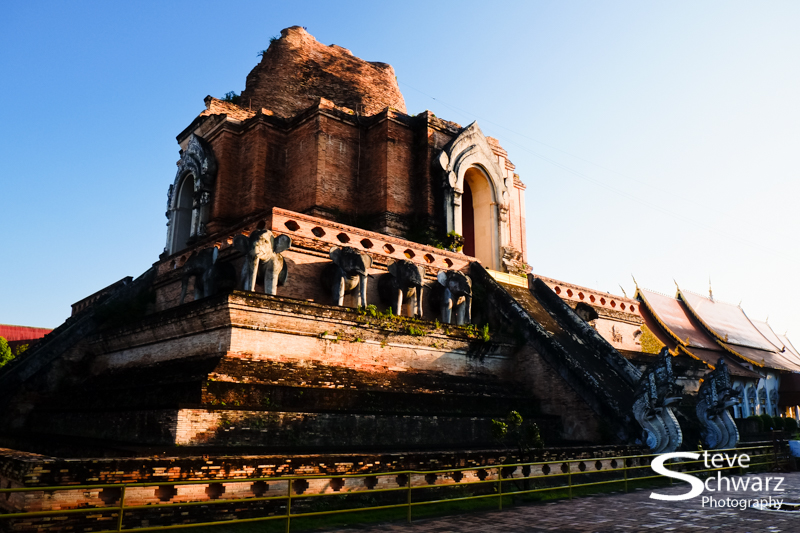
Sunset at Wat Chedi Luang in Chaing Mai, Thailand.
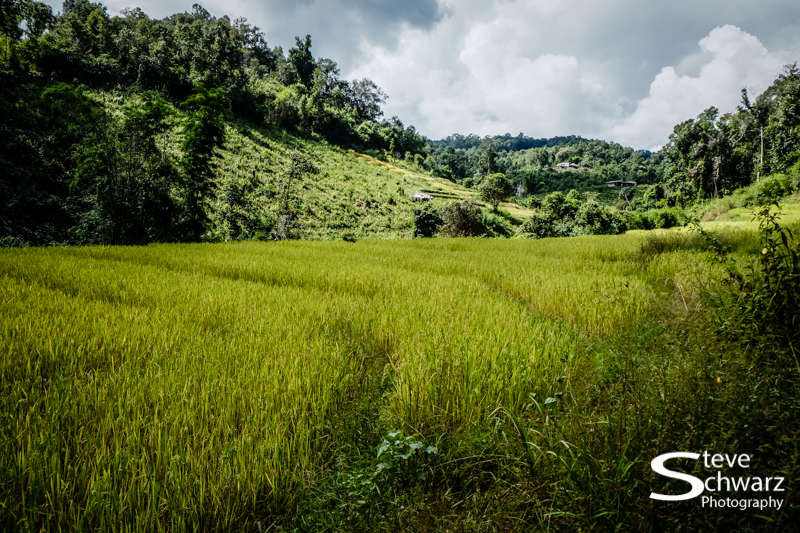
Rice fields in northern Thailand.
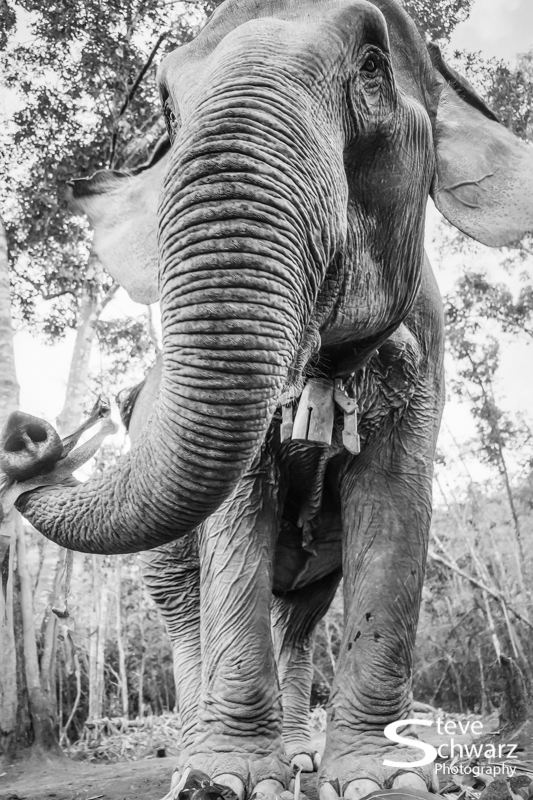
Elephant in black & white, in Chaing Mai, Thailand.
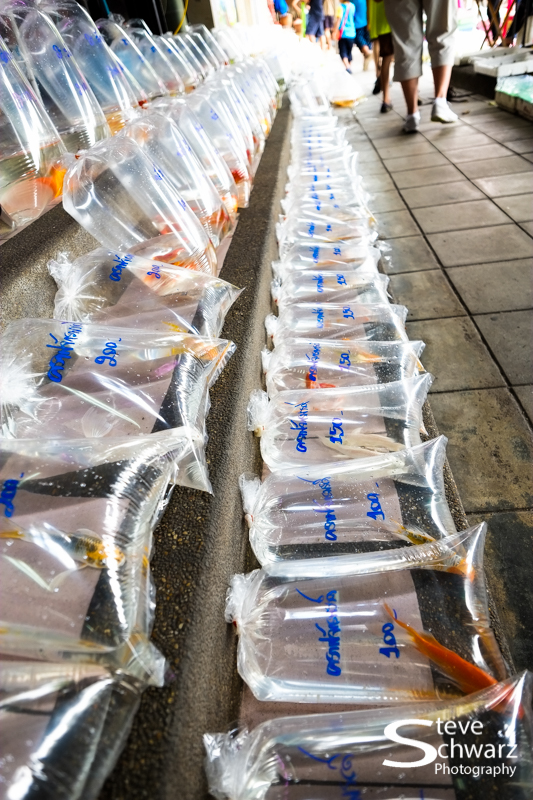
Live fish in the baggie, market in Chaing Mai, Thailand.
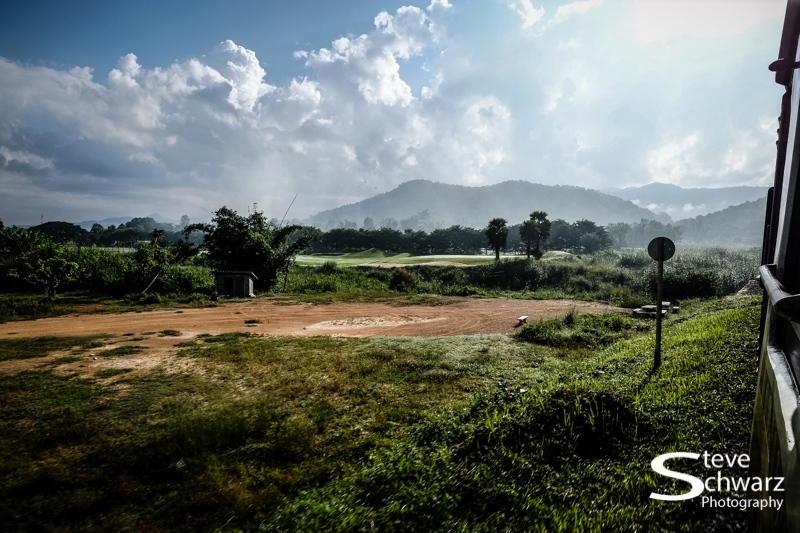
View from the train, from Bangkok to Chaing Mai.
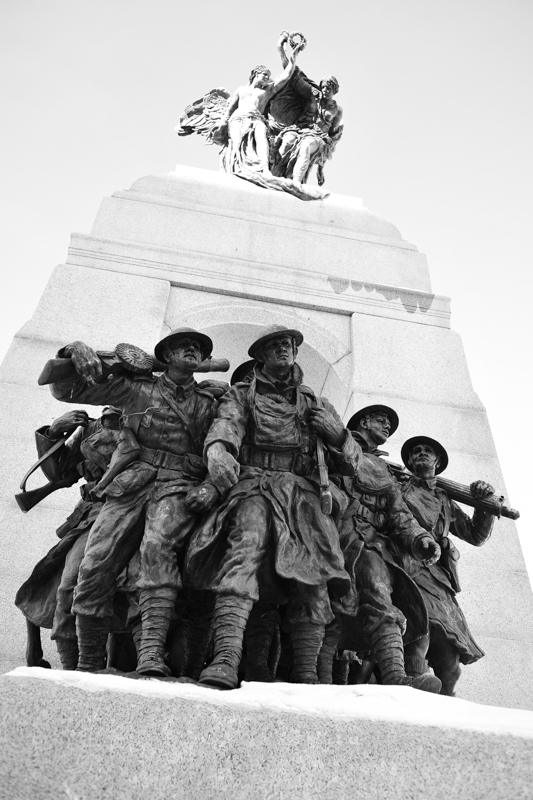
In Canada, Remembrance Day is a memorial day to remember the sacrifices made by young men and women in the service of their nation. At cenotaphs in towns, villages across Canada, at the National War Memorial in Ottawa and at Canadian War Memorials around the world (Vimy Ridge – France, El Alamein Memorial -Egypt, Canadian Korean War Memorial Garden -Republic of Korea, The Man with Two Hats -The Netherlands, Kanchanaburi War Cemetery -Thailand, Juno Beach Centre -France, Sai Wan Memorial -Hong Kong).
Remembrance Day is observed on 11 November to recall the end of hostilities of World War I on that date in 1918.
Canadian soldiers, airmen, sailors served in World War 1, World War 2, The Korean Conflict and in Afghanistan.
The National War Memorial In Ottawa, Canada
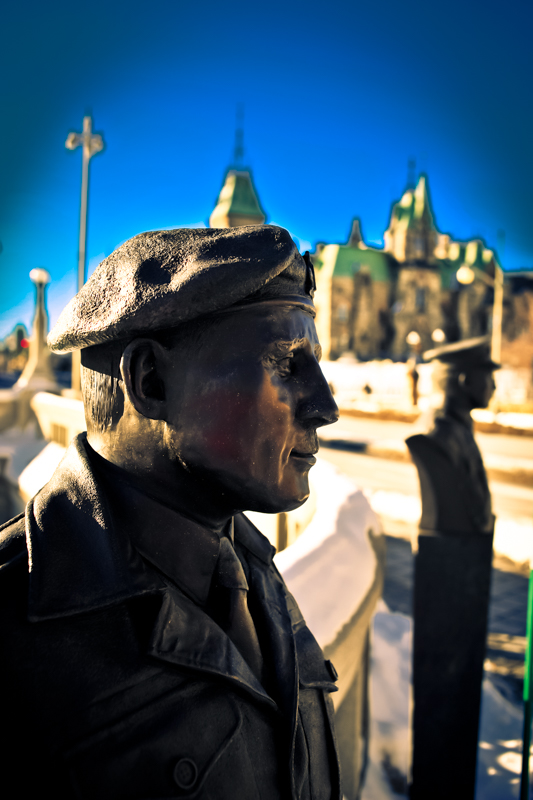
Although I am now in Thailand, seeming half-a world away from Canada it is 11am on November 11th. My thoughts are in Canada, and thinking about Canadian Veterans: those that survived the battles to protect our County and liberate other countries, and those that did not. My thoughts are on those brave and young Canadians that died during times of peace. This photo is was taken not far from the National War Memorial in Ottawa. I am proud of our Veterans and all that they have done.

Three days in Bangkok is definitely not enough. Add in some serious jet-lag after a flight from Toronto (Canada) to Abu Dhabi (UAE), then onward to Bangkok.
Wow – Bangkok is absolutely amazing. We only saw a tiny part of the City, and what we saw is so diverse and sensory stimulating; sight, smell, taste, sounds and touch.
The tiny part of Bangkok that we experienced was the Pranakorn district, and we explored Khao san Road and the cultural sites in the Rattanakosin area including The Grand Palace, The Temple of The Reclining Buddha (Wat Pho), The Royal Ground, The Democracy Monument and the Chatuchak Weekend Market.
The next post will have photos from Wat Pho, ‘Temple of the Reclining Buddha’.
All photos taken with a Fuji X-series X-Pro1 with Fuji 18-35mm, or Fuji X-series X-E1 with Fuji 14mm lens. Some of the photos are in black & white, and some are in color, with notes below.
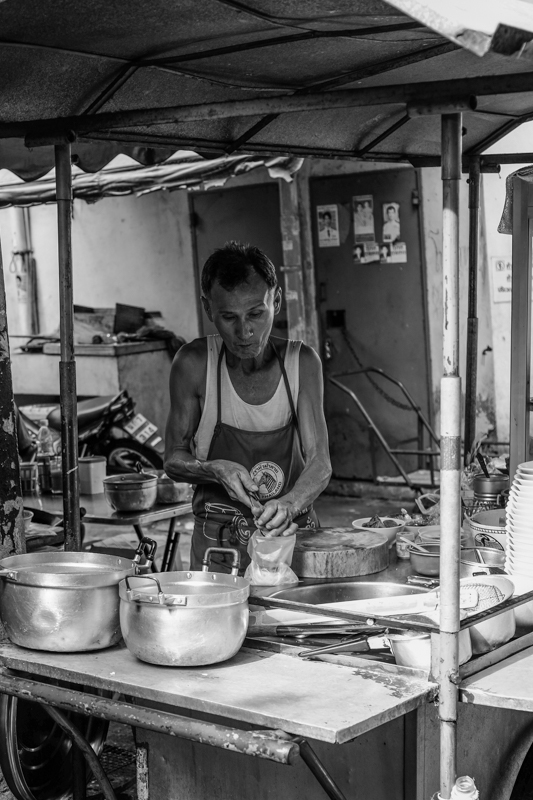
A typical food stall on a side street in Bangkok. On the original color photo, the sun was shining through a blue tarp causing the man’s skin to have a blue tinge. In color, the blue tinge was unacceptable and the image could not be used. Converted to black and white the blue tinge is gone, and the photo is quite usable.
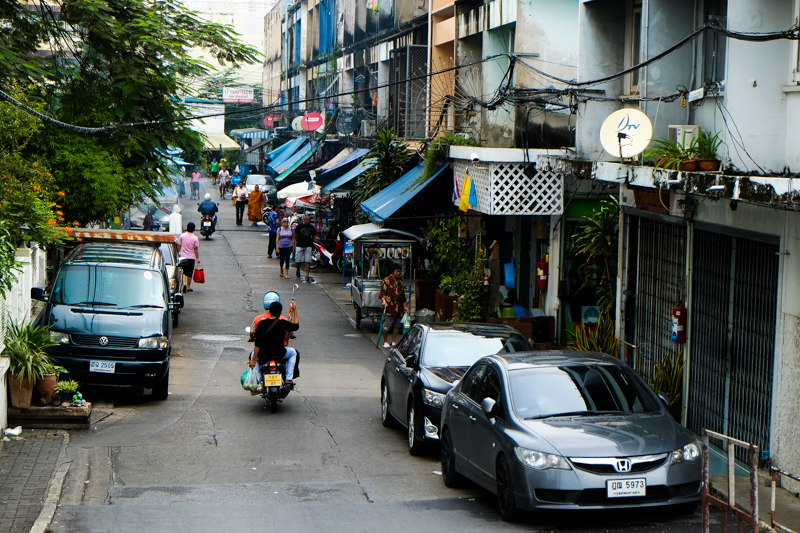
A small side street in Pranakorn district.
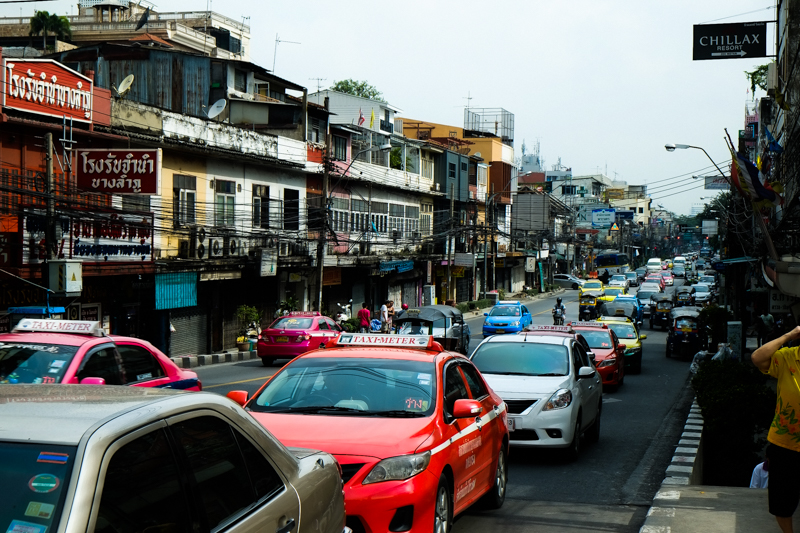
Good luck trying to cross the Prachathipatai Road, and remember to look Right – then Left (opposite from North America).
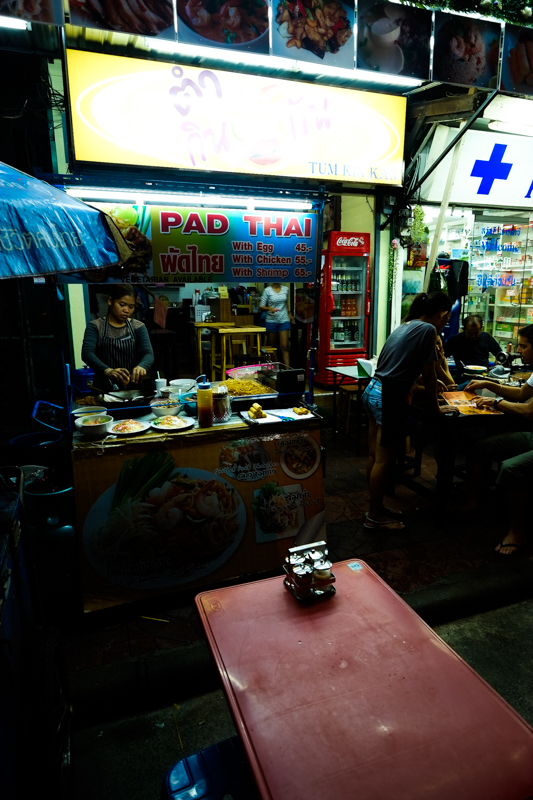
Authentic Pad Thai at a food stall on Khao san Road, in central Bangkok. In former times the street was a major Bangkok rice market, and had now become a “backpacker ghetto”; with cheap accommodation, tour buses depot, many pubs and bars, and small shops that sell everything from handcrafts, paintings, clothes, local fruits, pirated music on DVDs, and second-hand books. At night, the streets turn into bars and music is played, food hawkers sell barbecued fish, insects, and other exotic snacks.
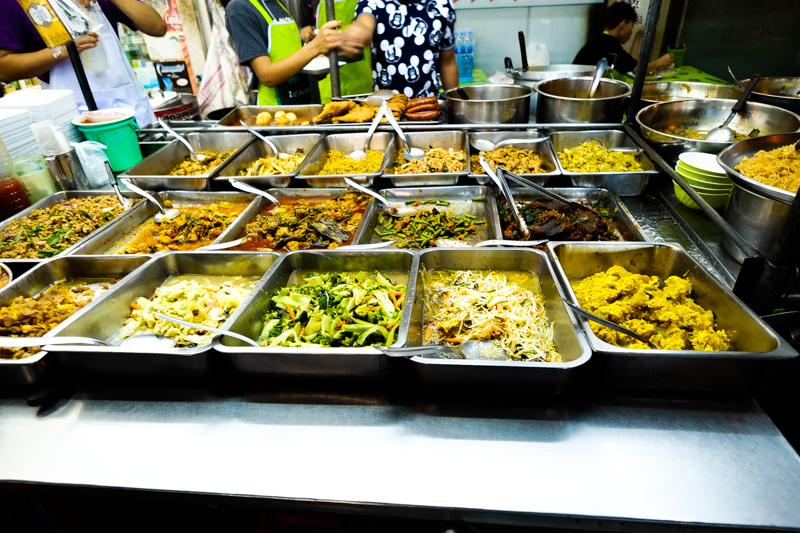
One of the many food stalls on Khao san Road
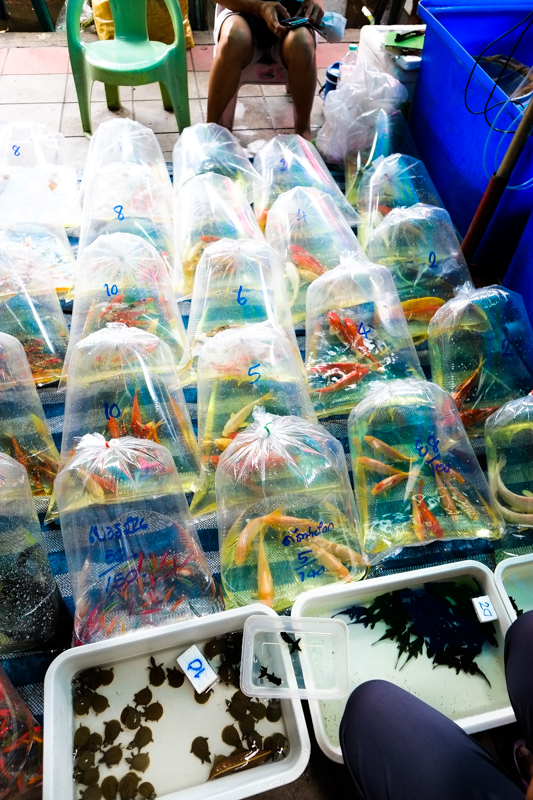
Fish in bags at Chatuchak Weekend Market. Chatuchak Weekend Market is one of the world’s largest weekend markets and contains more than 15,000 booths selling goods ranging from Amulets, antiques, art, books, collectibles, clothes, food shops, furniture, handicrafts, home décor, household appliances, and pets. We saw many species of exotic birds, squirrels, and large turtles selling for 60,000BHT.
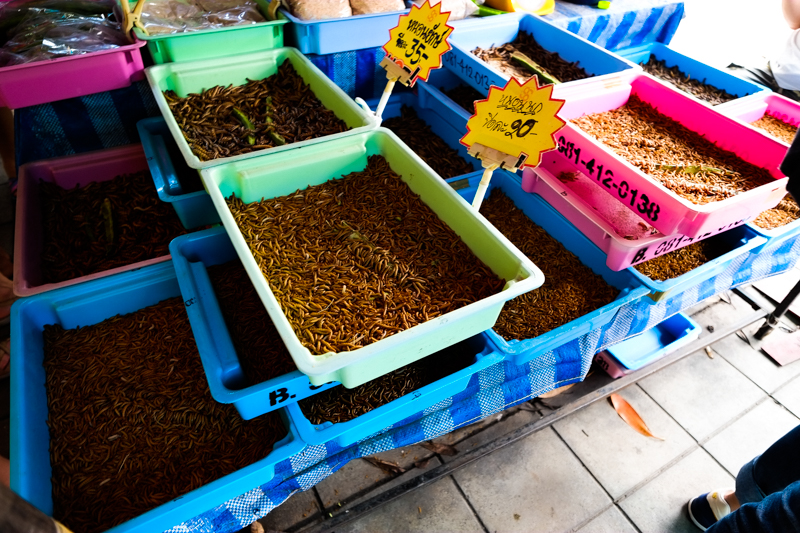
Pet food ?? at the Chatuchak Weekend Market
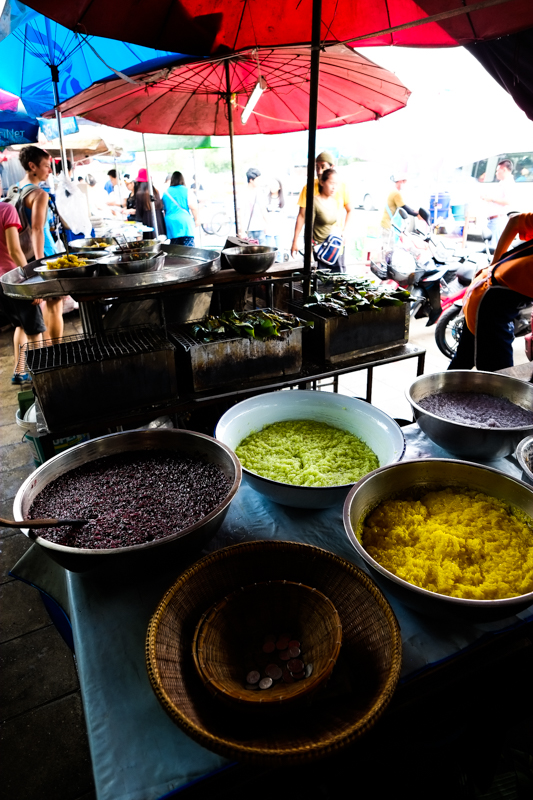
Delicious home-made Thai food at the Chatuchak Weekend Market. Food stalls are an orgy of color, which can sometimes look good in black in white, though how would you tell the food apart if they were all shades of grey ?.
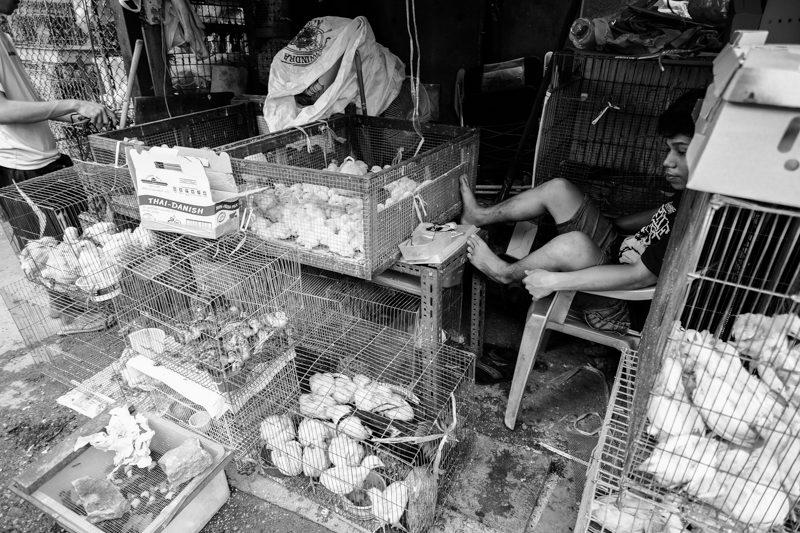
Boy selling ducks at Chatuchak Weekend Market. The original color version of this photo was had a overwhelming range of color, all of which was too distracting to the story – a boy selling ducks at the market.
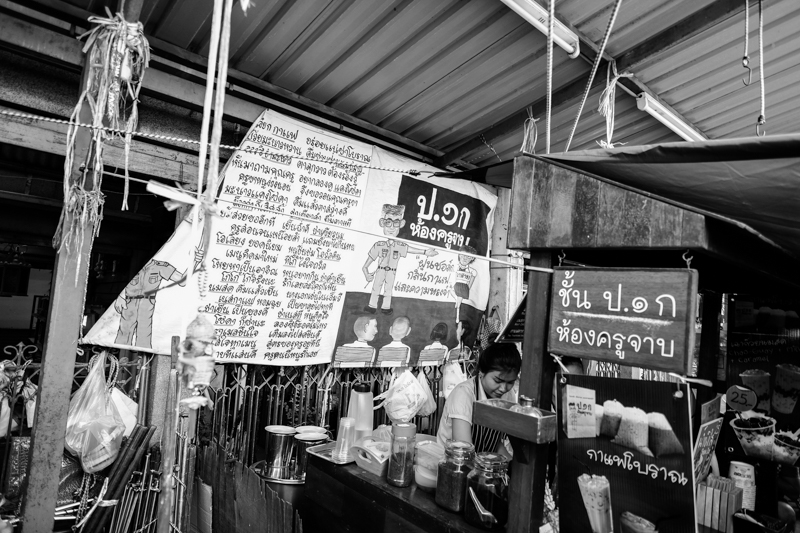
I am not sure what the sign says. Any one read Thai ?

Pan fried Quail eggs at a food stall in the Chatuchak Weekend Market
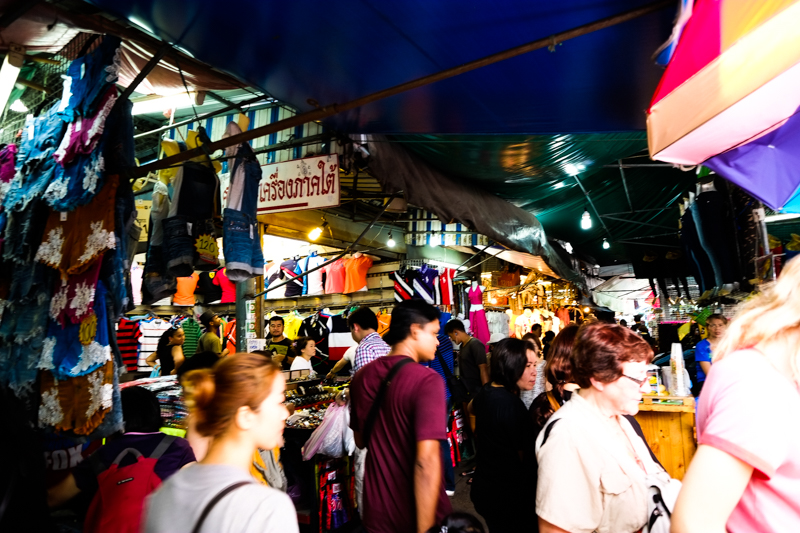
Inside view of the chaos inside the huge Chatuchak Weekend Market
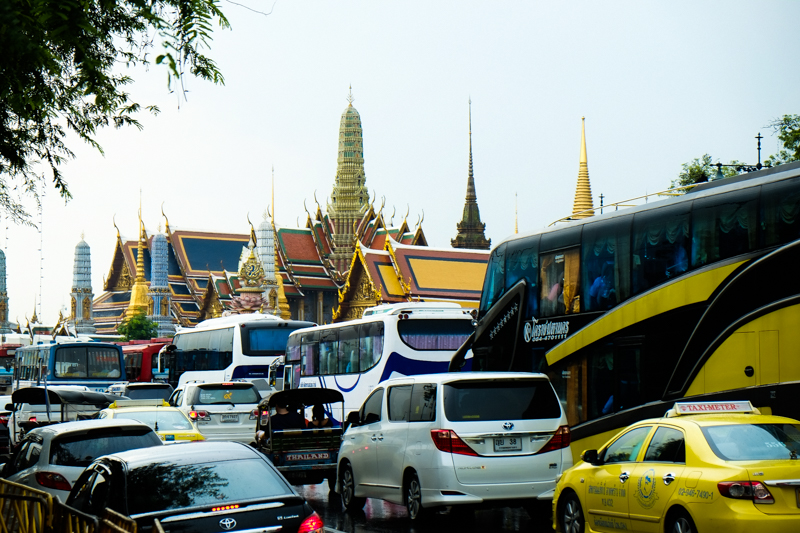
The Grand Palace is a complex of buildings at the heart of Bangkok, Thailand. The palace has been the official residence of the Kings of Siam since 1782.
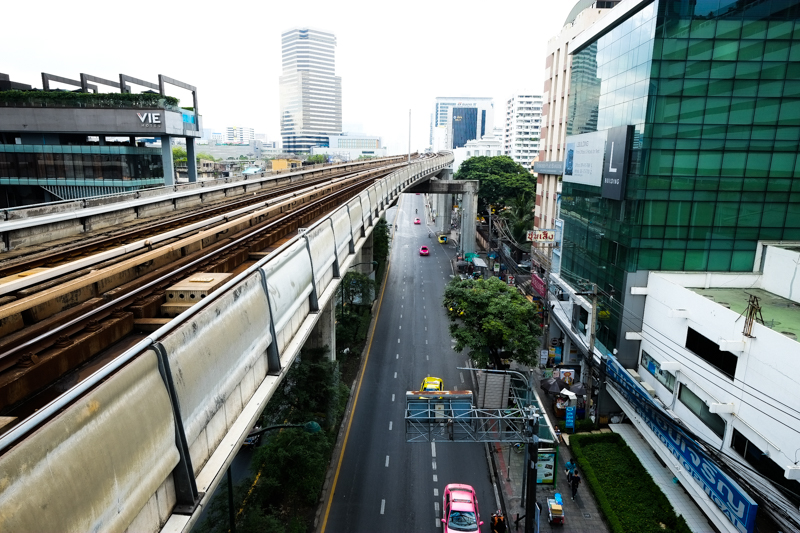
View from the ‘Bearing’ BTS station
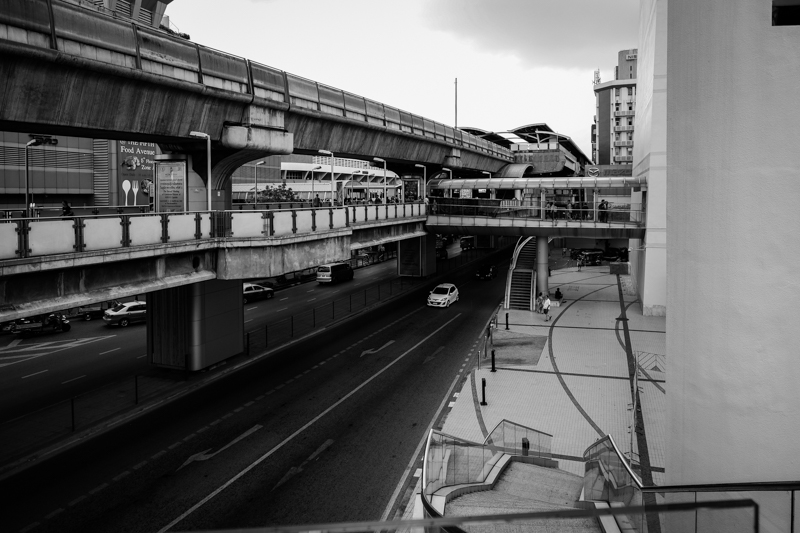
Above ground BTS track, and MBK Shopping Center in the distance. There wasn’t much color in the original photo – shades of bleck grey concrete. In black and white, the tones, and shades are more powerful.
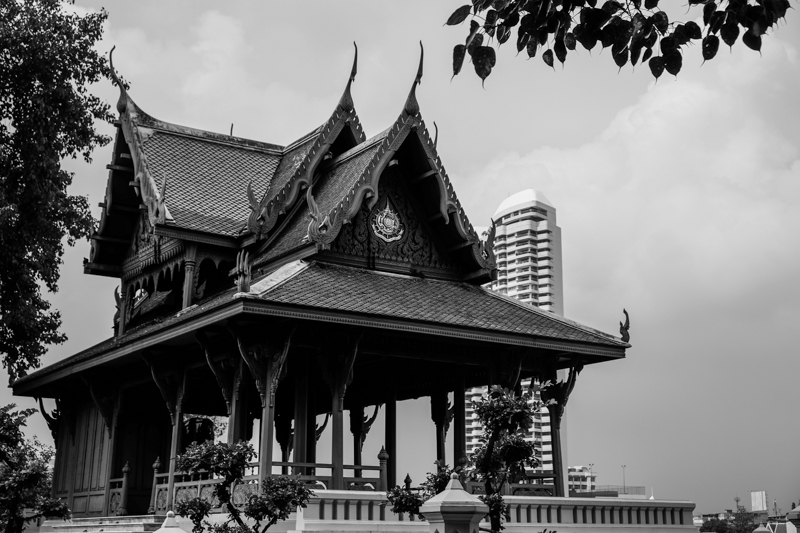
‘Old and New’. Wooden Wat (Temple) from several 100 years ago, with a modern structure (apartment building). In black and white, the orange-red-gold colors on the temple are now the same shade as the more modern, and drab colored building in the background.
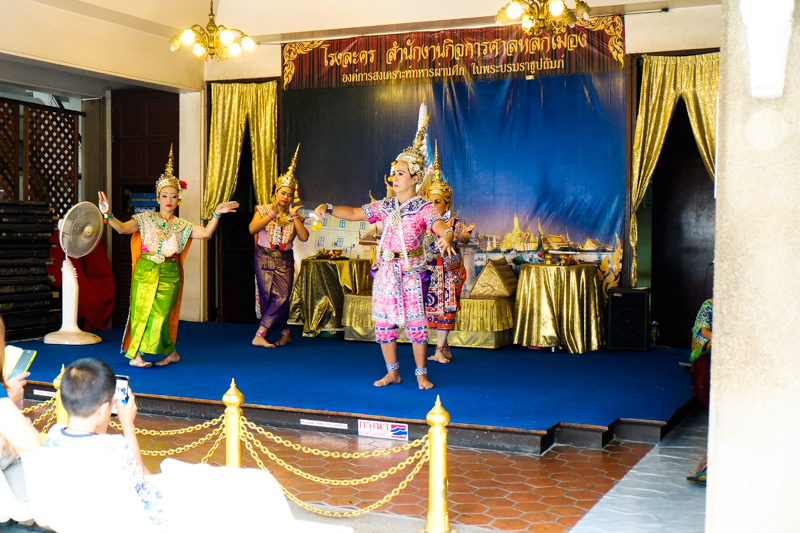
Traditional Thai show. Not sure that the show was about ??
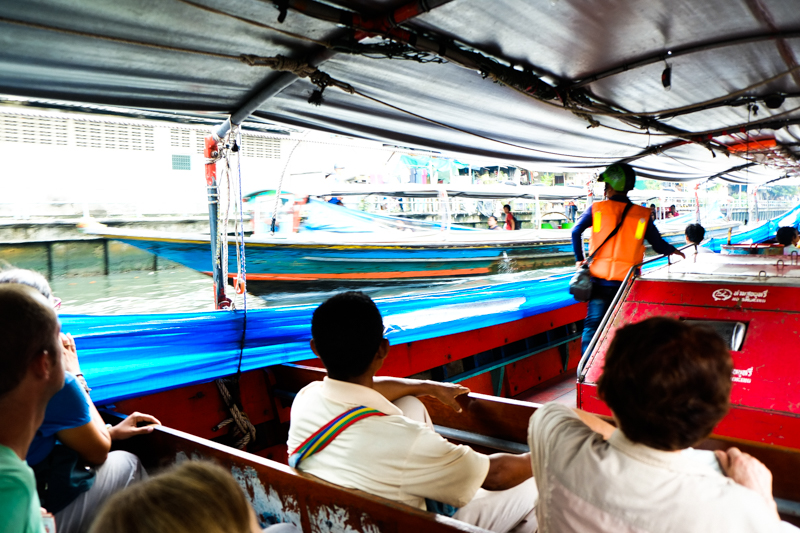
Boat taxi. In many ways, similar to a city bus on a scheduled route, though speeding through the canals and the fee collector wears a life jacket and a helmet.
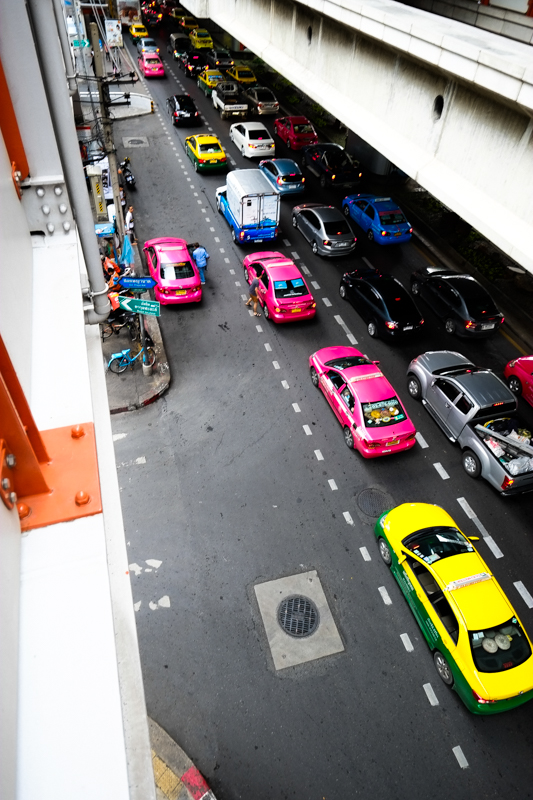
A busy street in Central Bangkok. I love the colors of the cars and taxis; bright pink, and bright yellow. This photo would also look Ok in black and white, showing the range of shades of gray, though in color the insane colors of the cars would be lost.
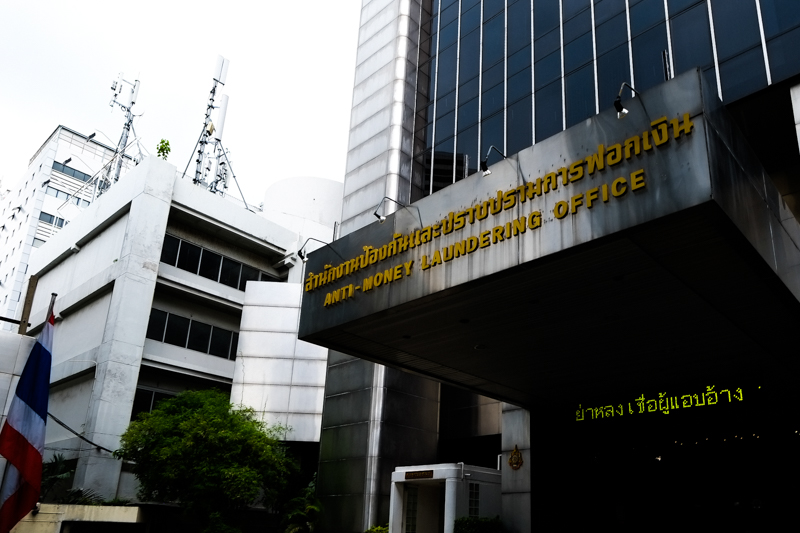
A fancy building in downtown Bangkok – Of course, the ‘Anti-Money Laundering Office’.