Amsterdam – a ‘soft’ Gallery

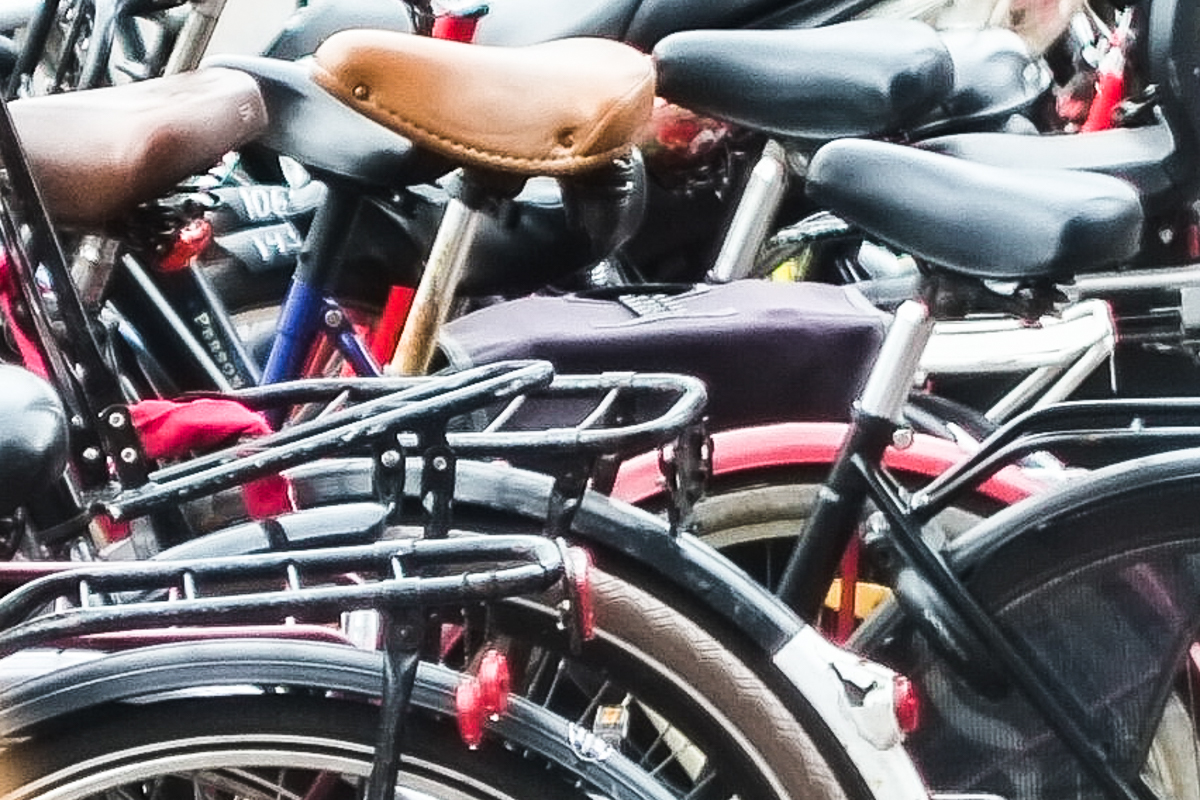
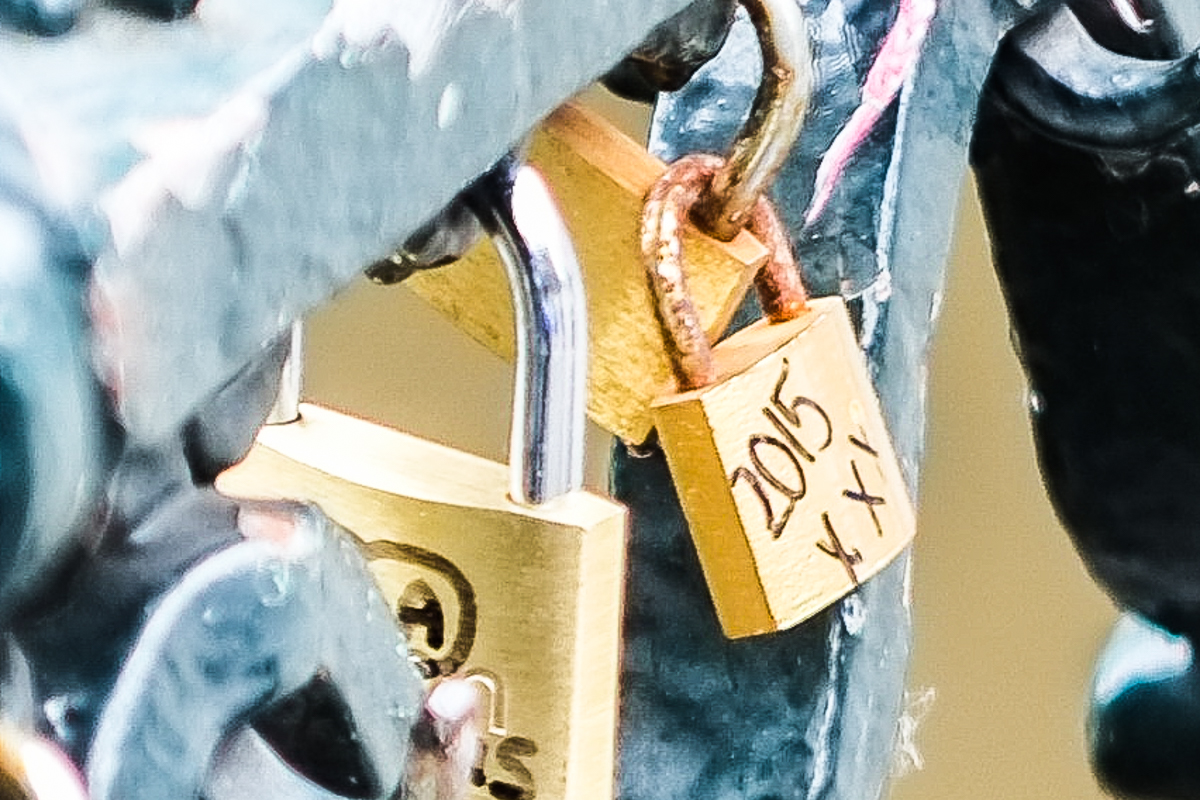
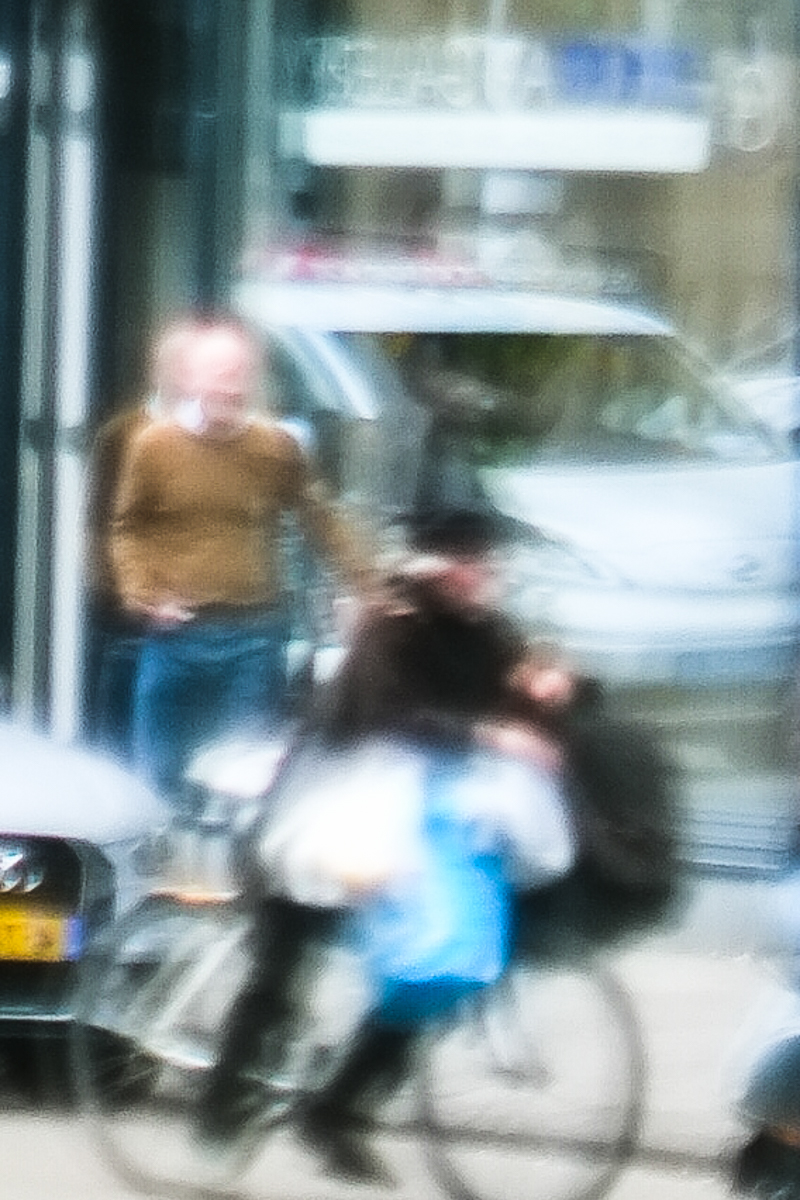
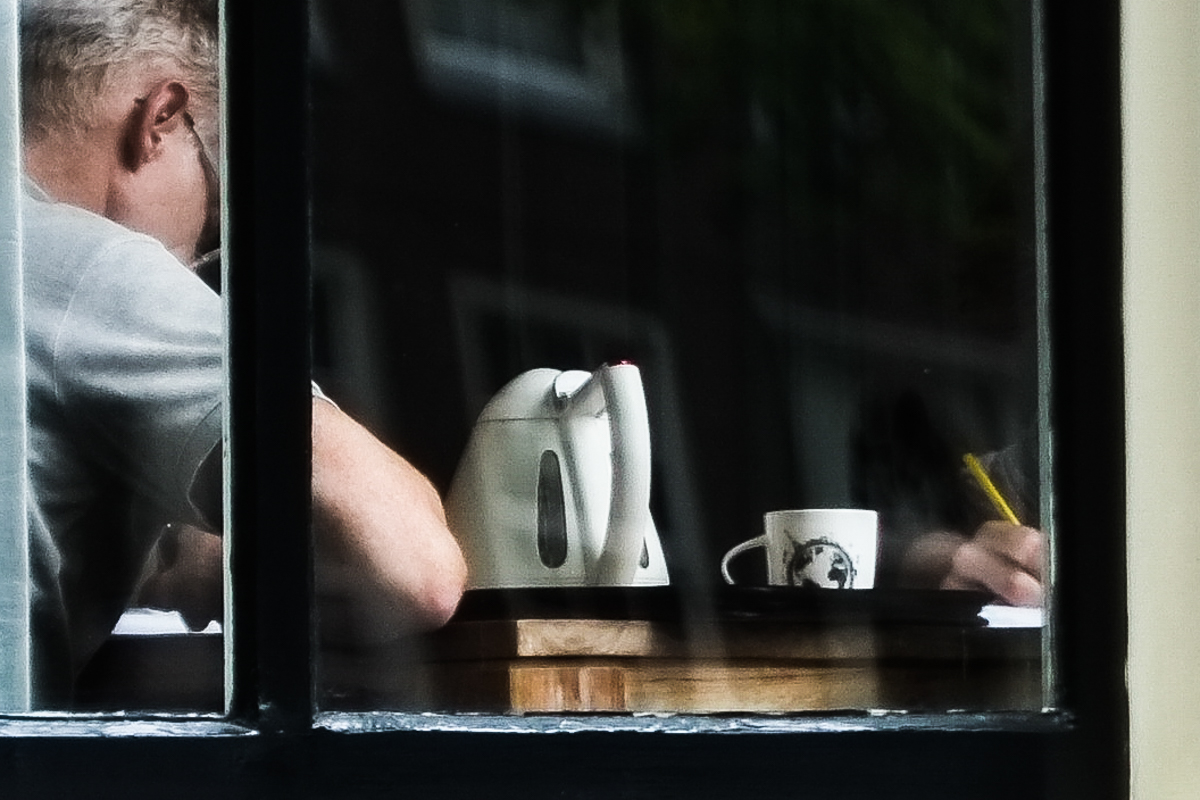
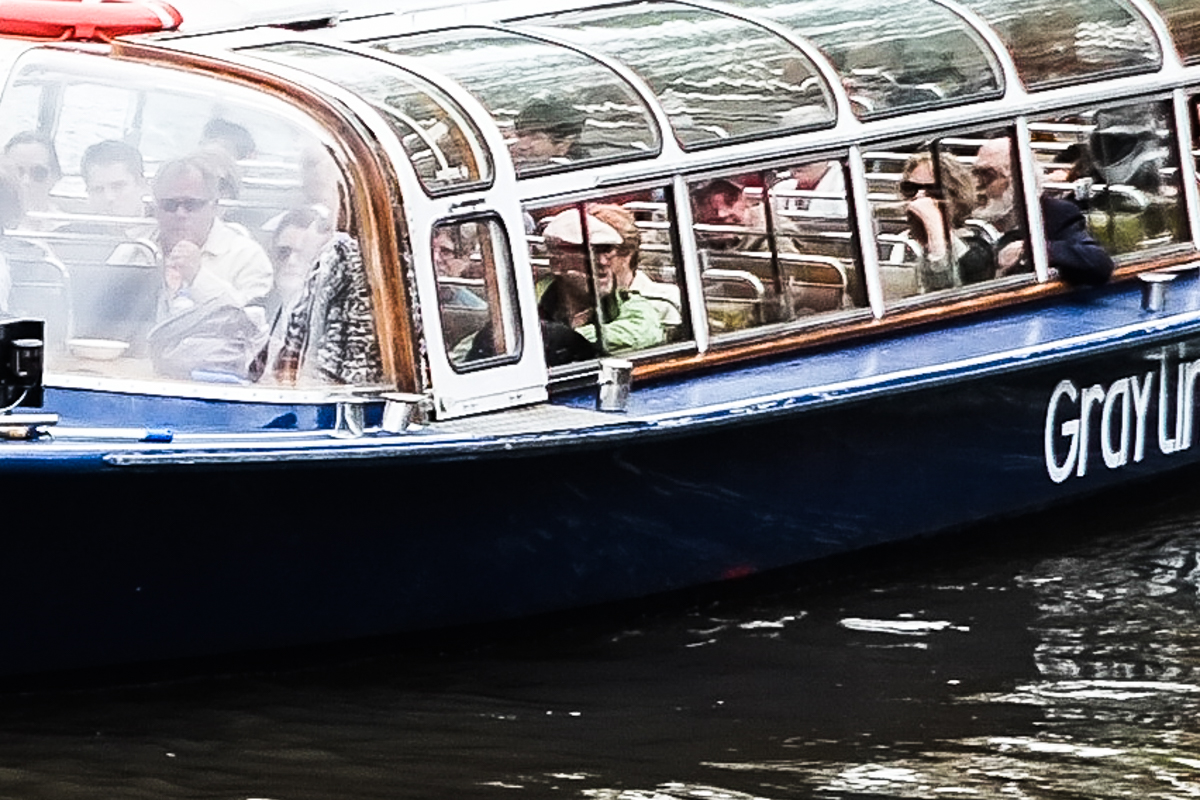
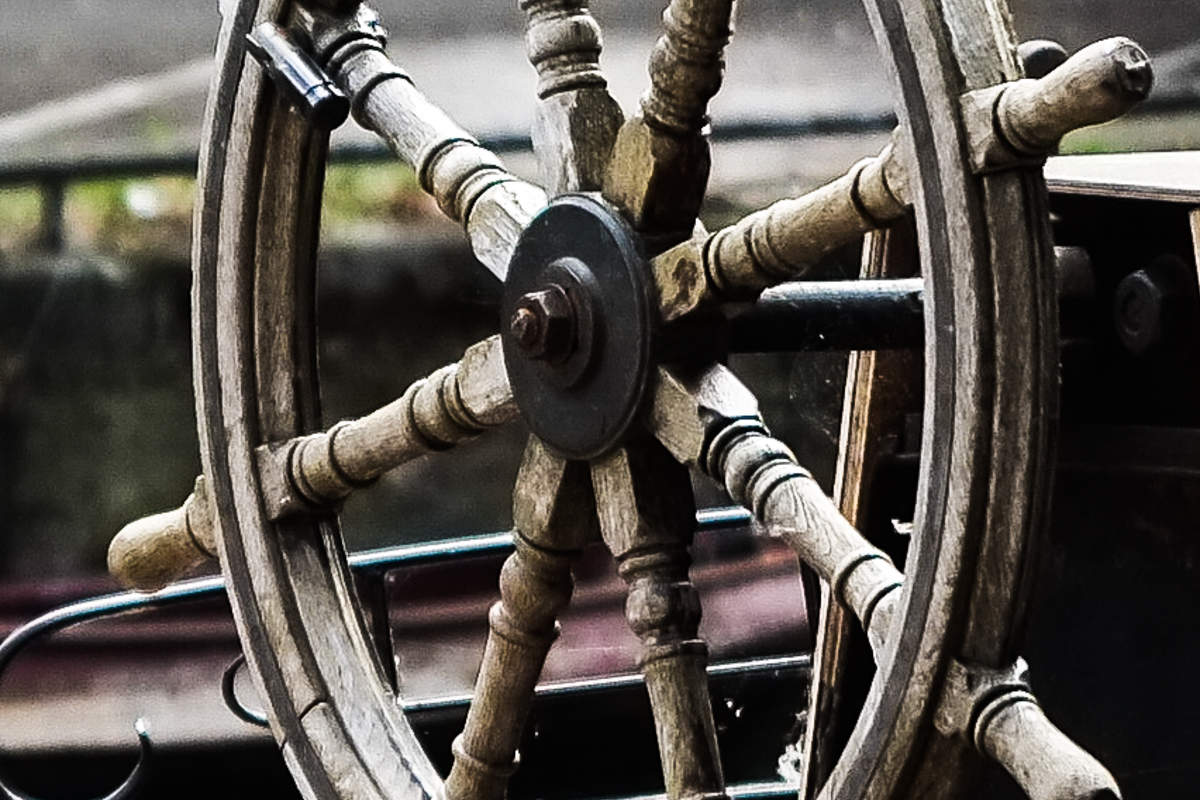
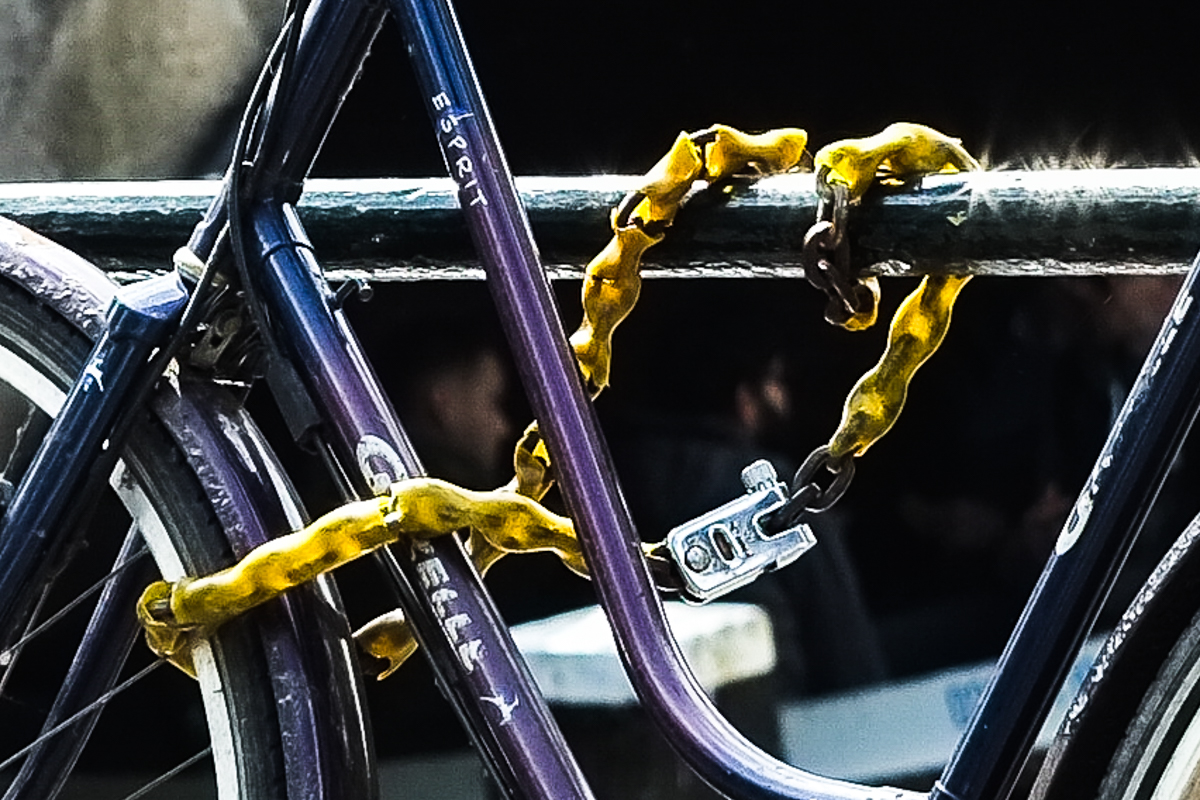
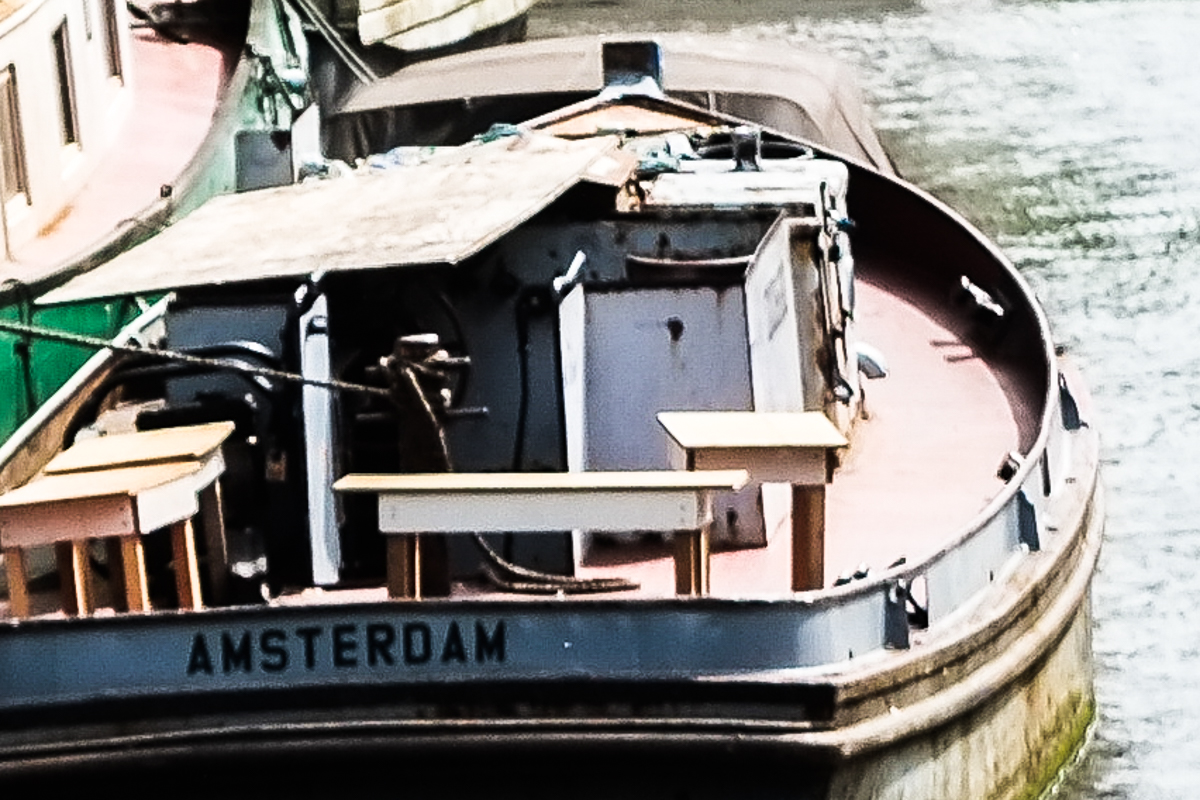
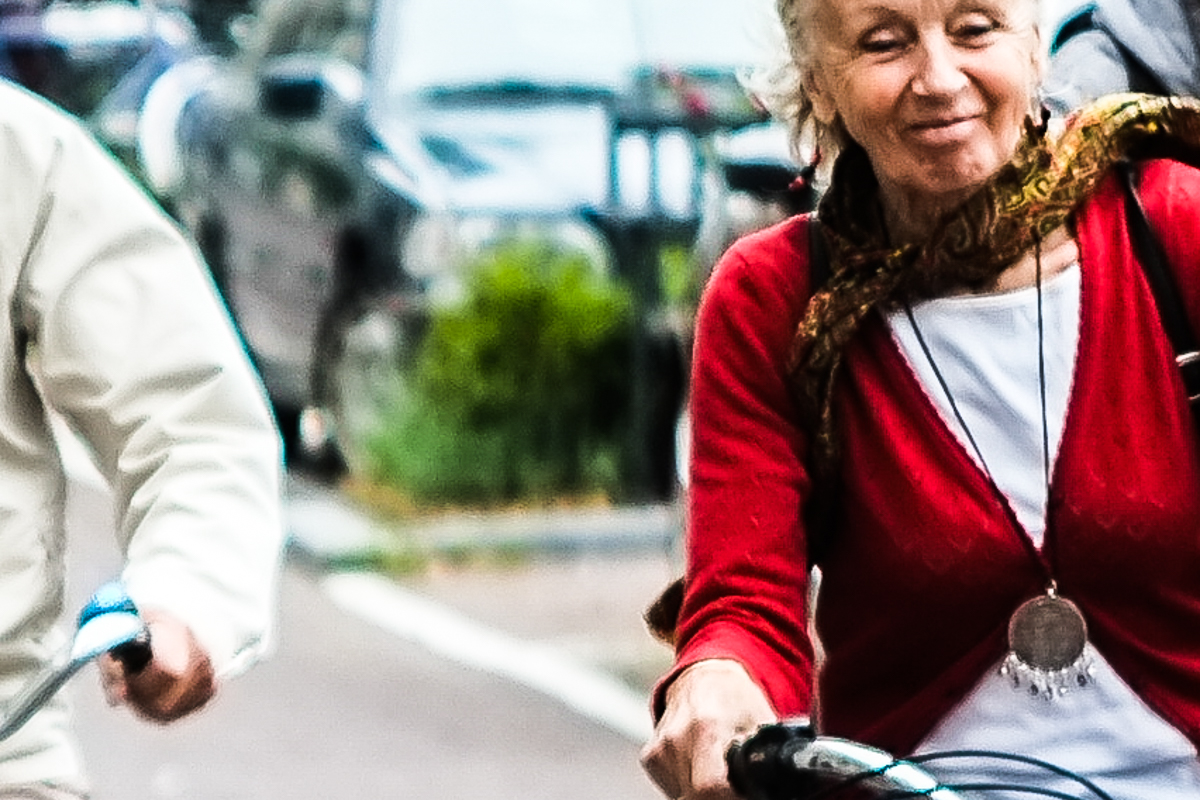
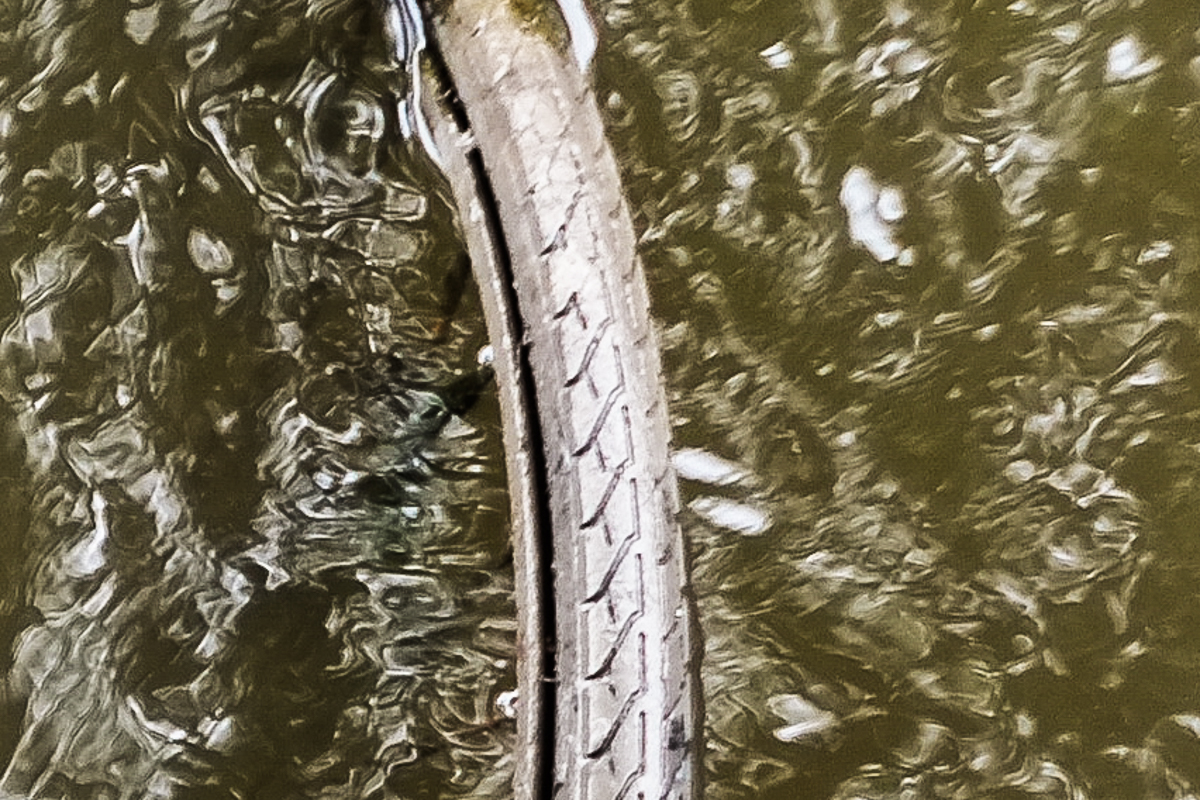
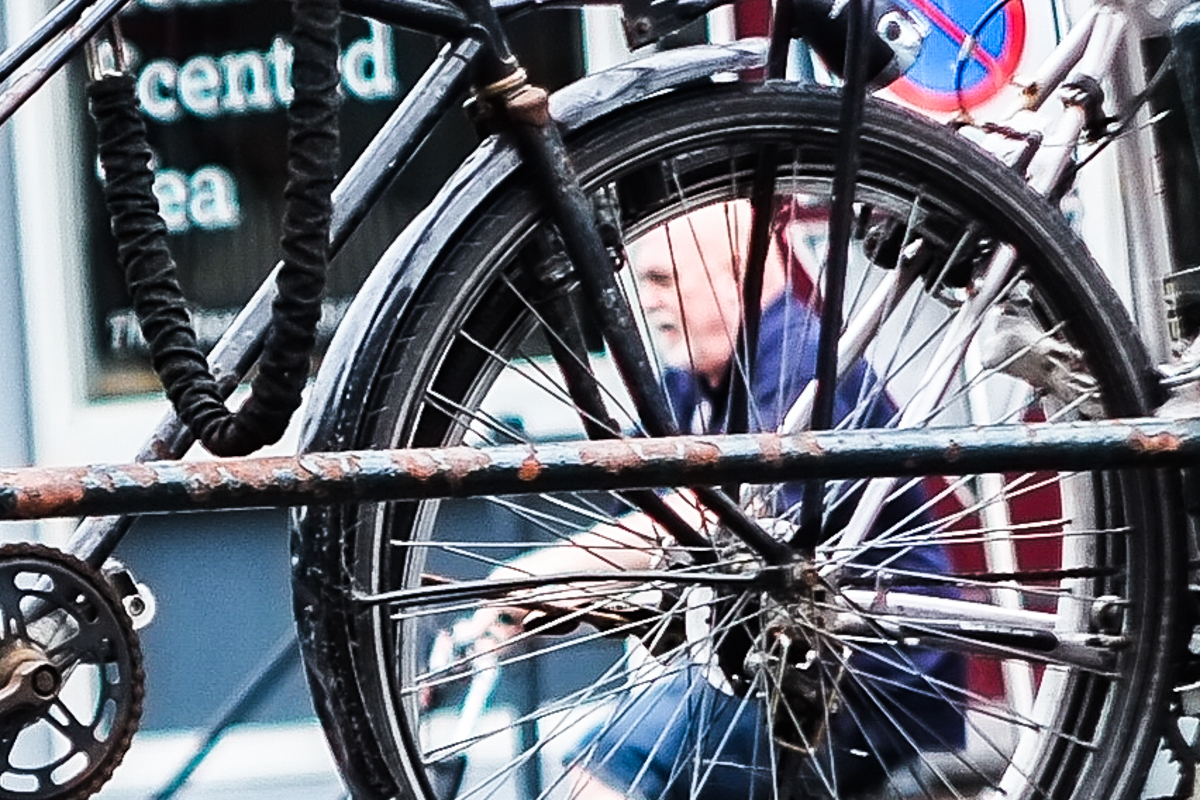
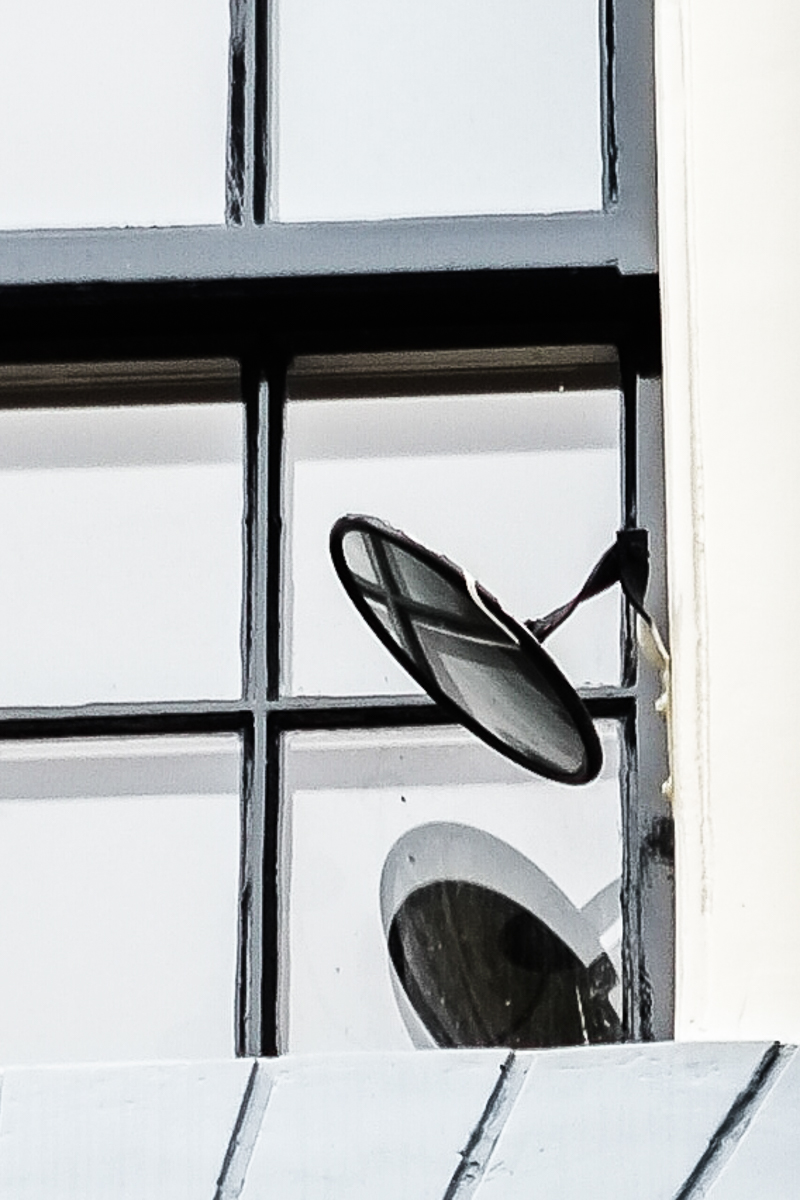
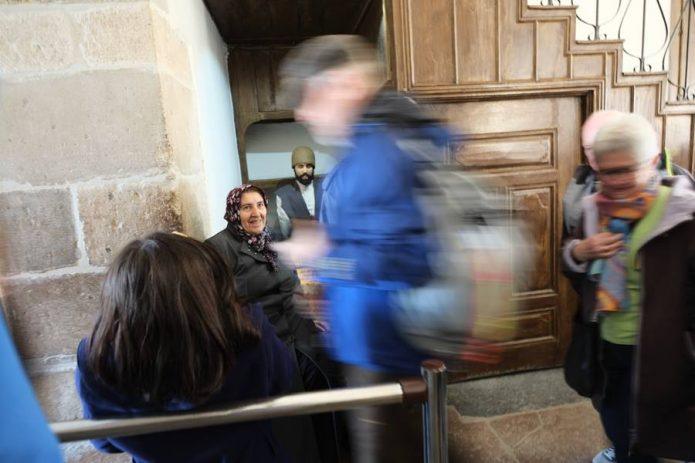
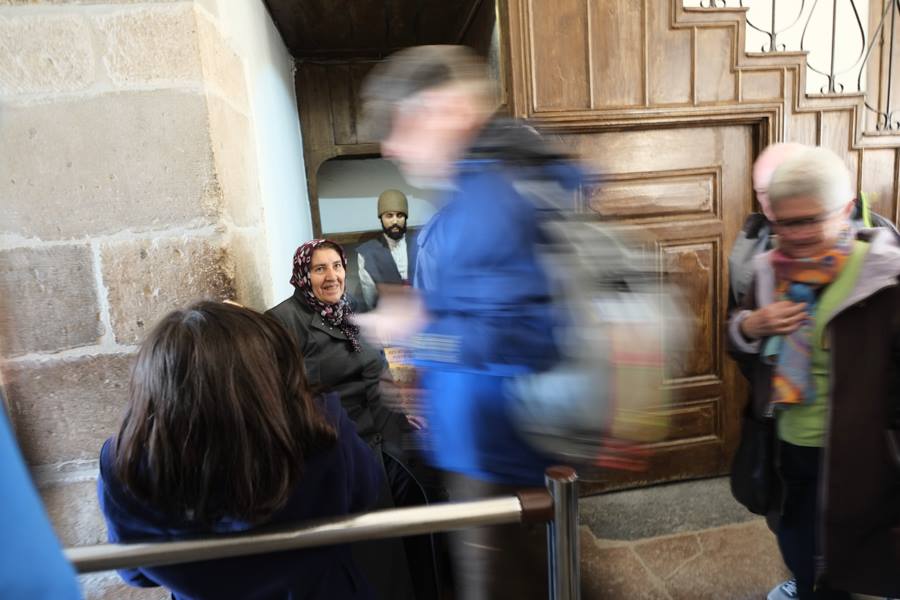
Amsterdam. Yes, the photos are all a touch soft (‘blurry’), maybe even a bit over or under exposed. Does it matter – you decide. To me, they show Amsterdam in a new way, without the insane sharpness of a modern autofocus lens. The slight blurriness seems to bring out the atmosphere of a classic Amsterdam ‘Coffee shop’, where you are handed a menu with drugs of the day. All photos were taken with a Fujifilm X-Pro and Russian made Helios 44-2 58mm manual focus lens.


Round the World Traveling – Taking it all in

Taking it all in. By now – they are looking forward to being home. In ten months, they have traveled through 10 countries, they have experienced almost everything that the local culture has to offer, they have hiked on the highest mountains, crawled through caves, swam in Indian Ocean, ate fresh croissants in Paris, and deep fried grasshoppers in Cambodia. They have made many friends along the way, and have already made plans to visit those friends in another 8 years. During that time, they have visited many extraordinary places – the temples in Angor, seen re-creations of Roman era battles in a Roman era arena, have seen 1500 year old churches/mosques, visited the sites of ancient battles, and the beaches of Normandy. They have seen the best in human civilization and have seen some of the worst at the Killing Fields in Cambodia. The past 10 months have been an extraordinary journey. Soon we head back to our home in Yellowknife and settle back into a routine to work and school. It simply won’t be the same. They have changed – their world now extends beyond the border of Yellowknife, and most importantly, it includes an understanding of other cultures, other people, other languages, other foods, and how they all blend and work together in our daily lives.


R1-04249-021A

R1-04250-0035

France in Film

Memories of France


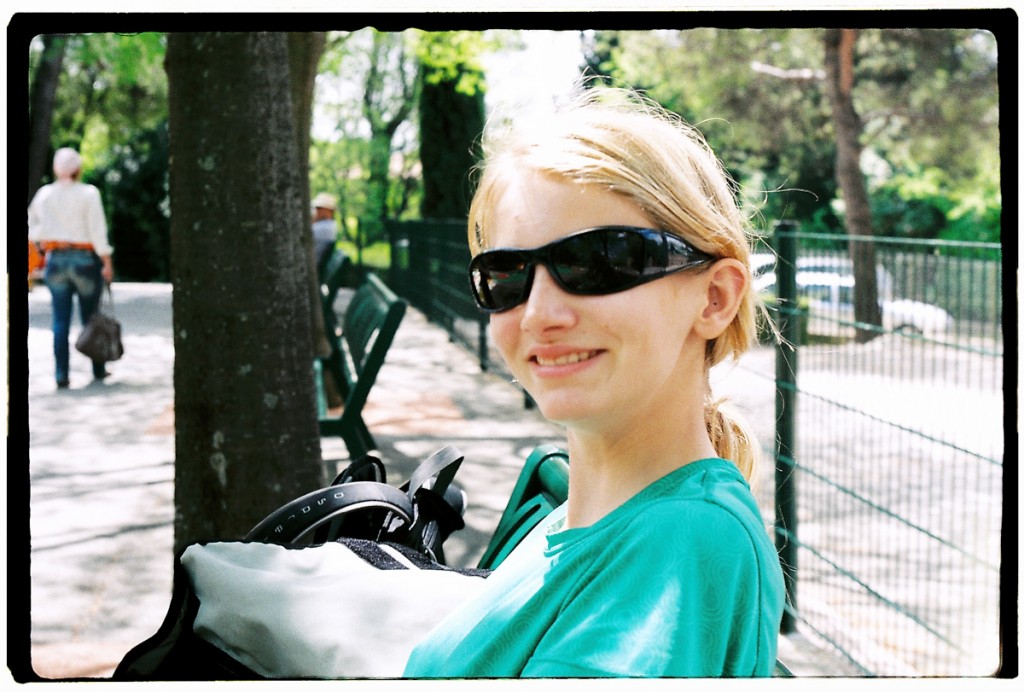
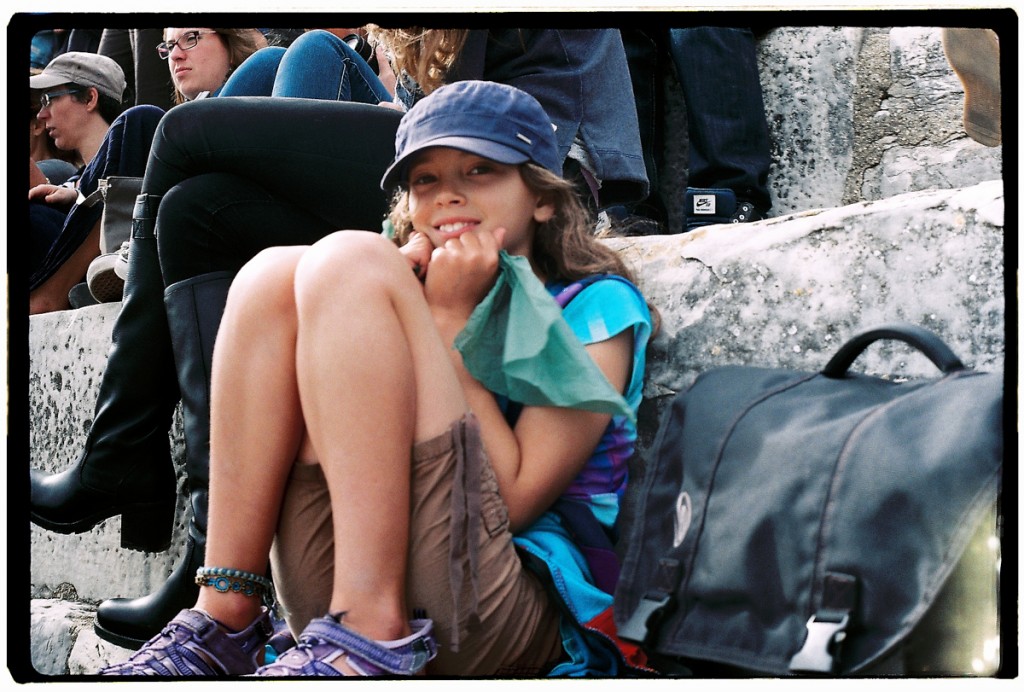
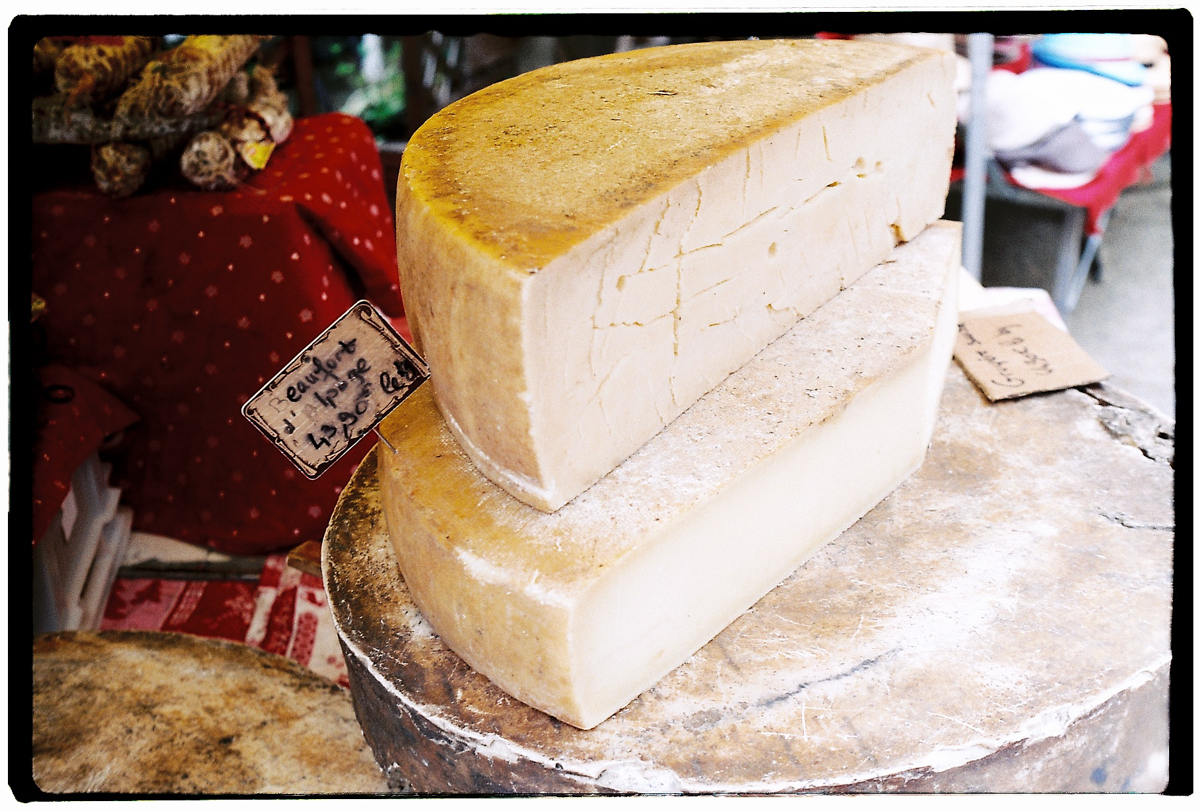
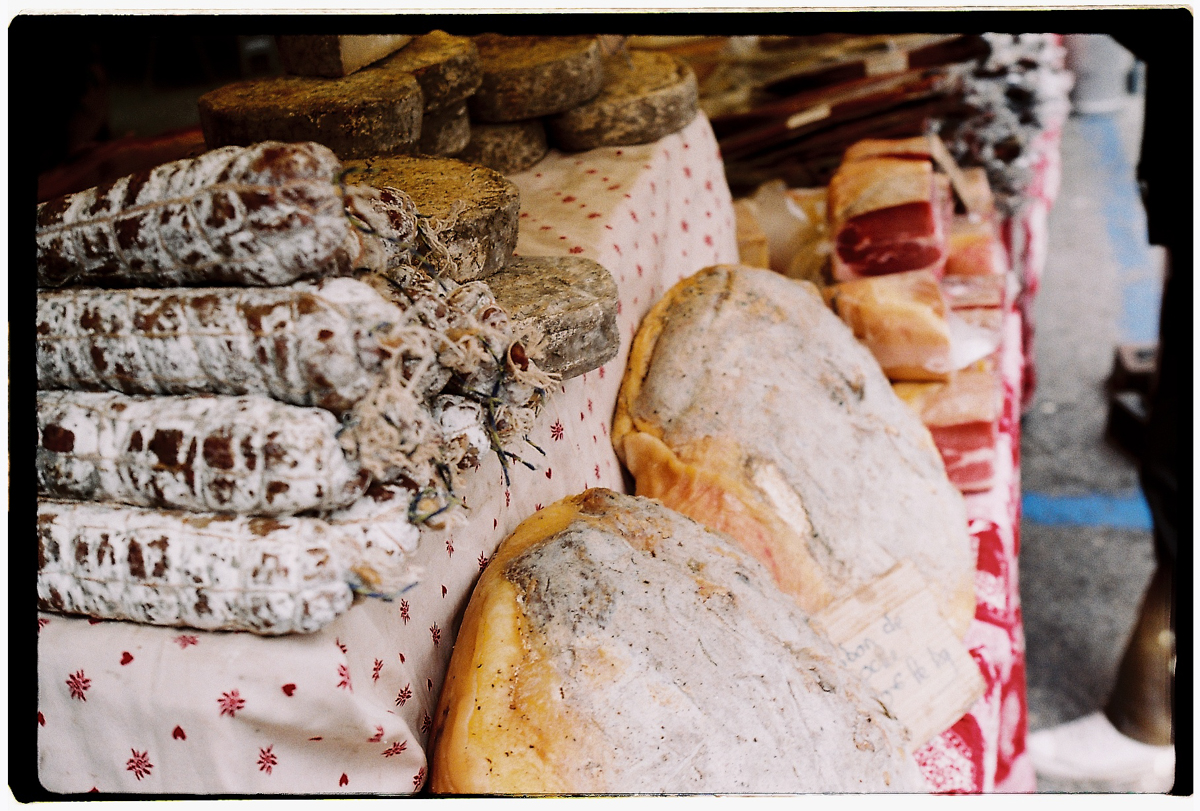
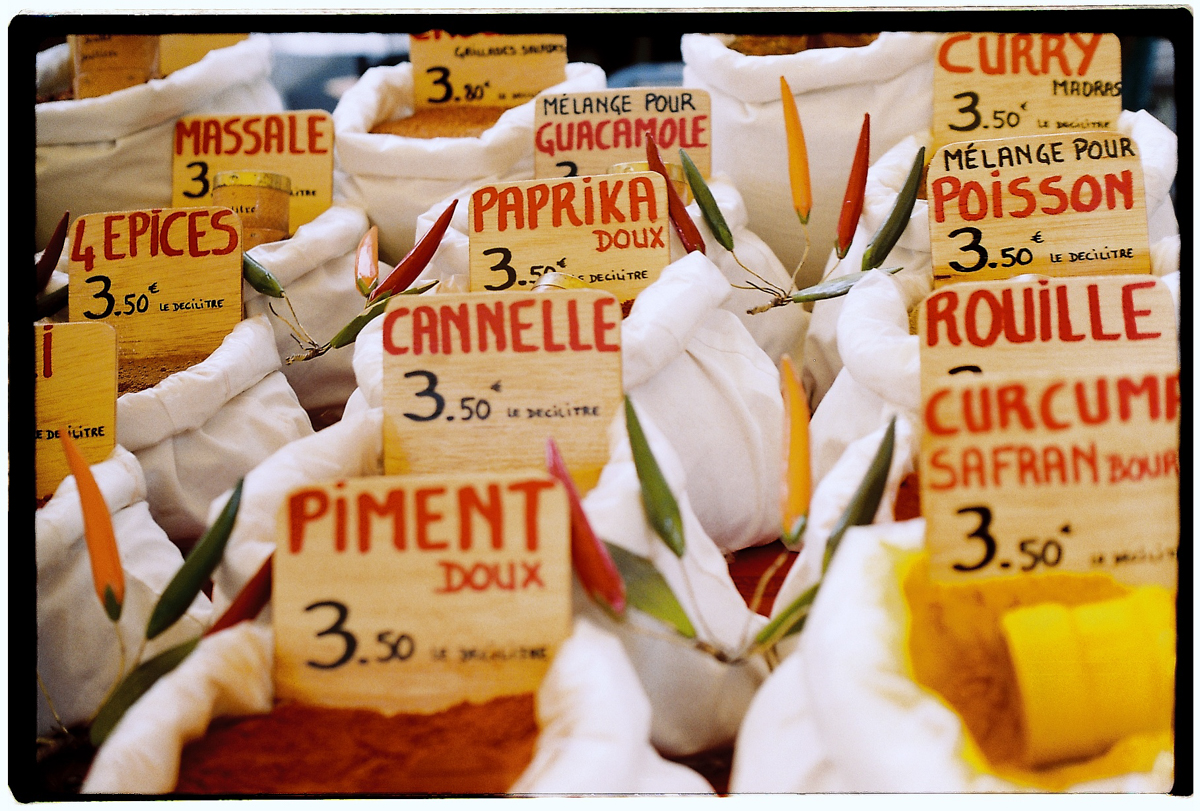
These photos were taken a month ago, in Nimes, southern France. While in France, I used a film camera – a crazy idea based on the thought of ‘France in Film’. In a month, used 8 rolls of film – lots of out-of focus photos, lots of too dark or too bright photos (there is no light meter in the camera). The photos that turned out OK are my treasures; no crazy photoshop editing, no multi-photo HDR photo combinations. These are the the natural images – the way it really is. Looking at the photos, I can still smell the Roquefort cheeze, meat sausages, fresh white bread and the herbs.

R1-04247-0009 R1-04247-0010 R1-04247-0032


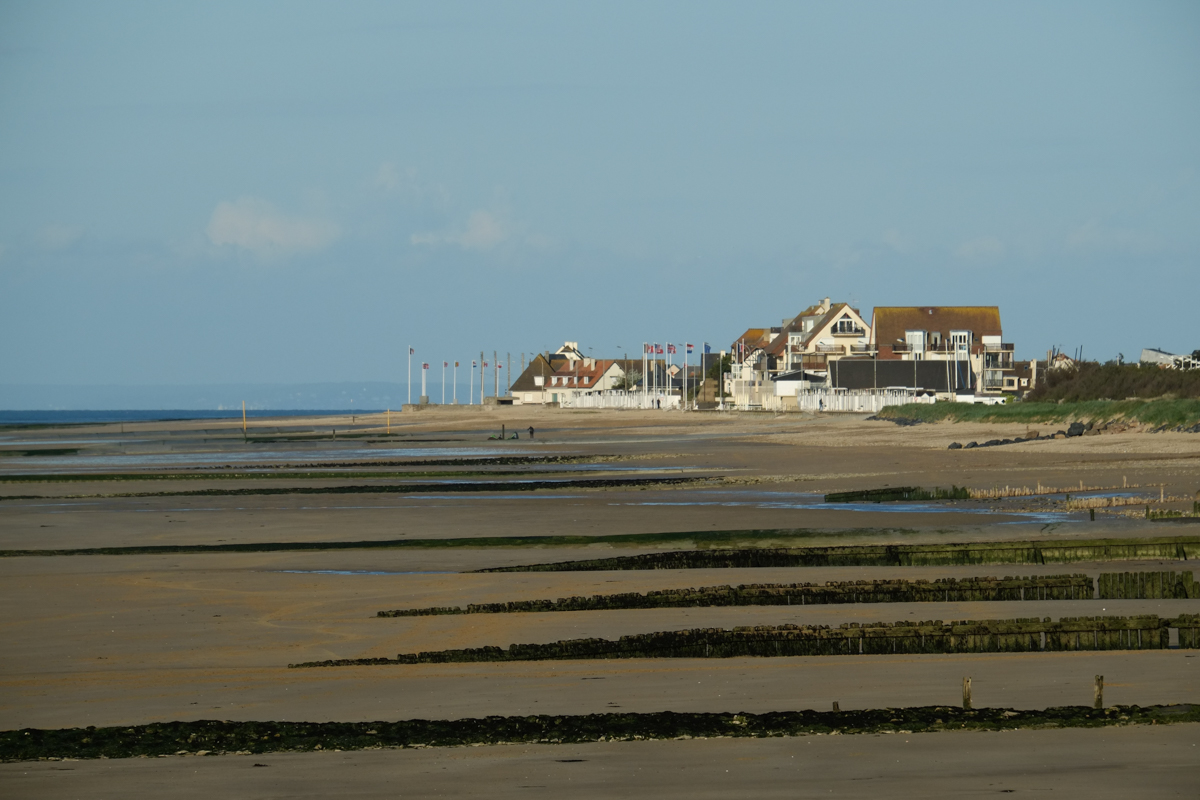
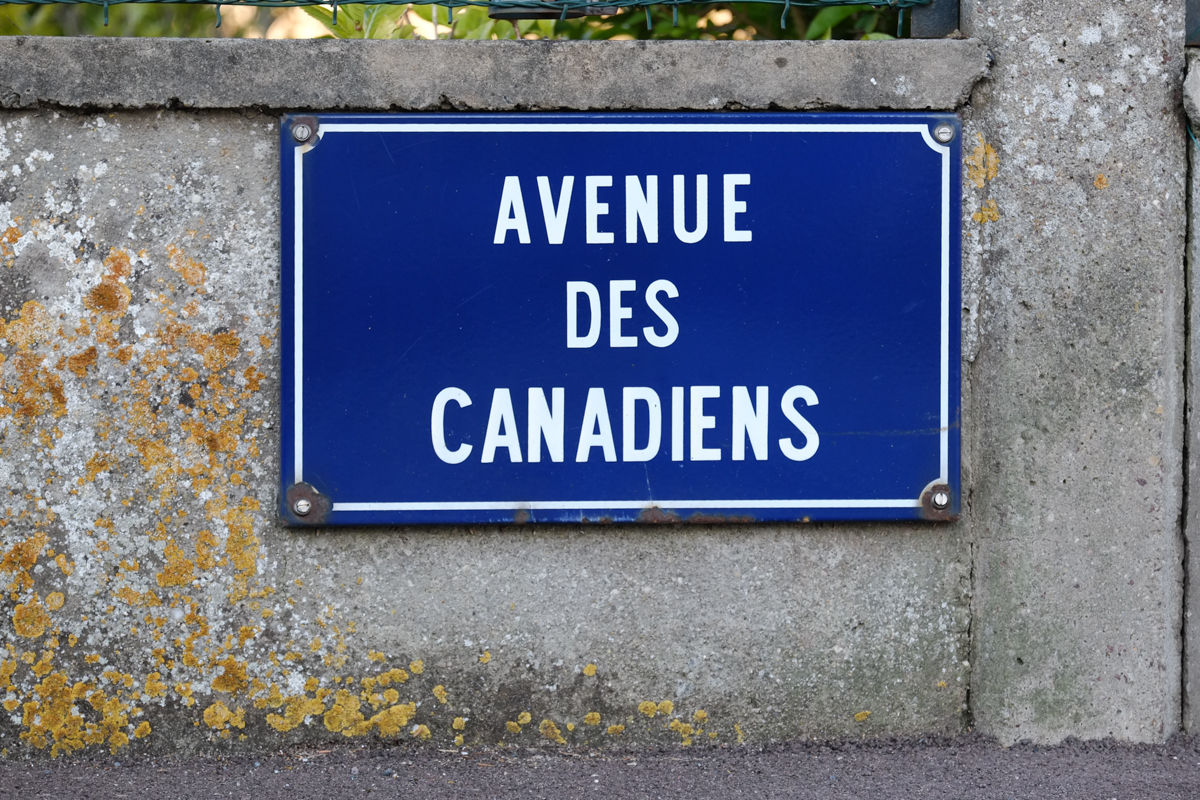
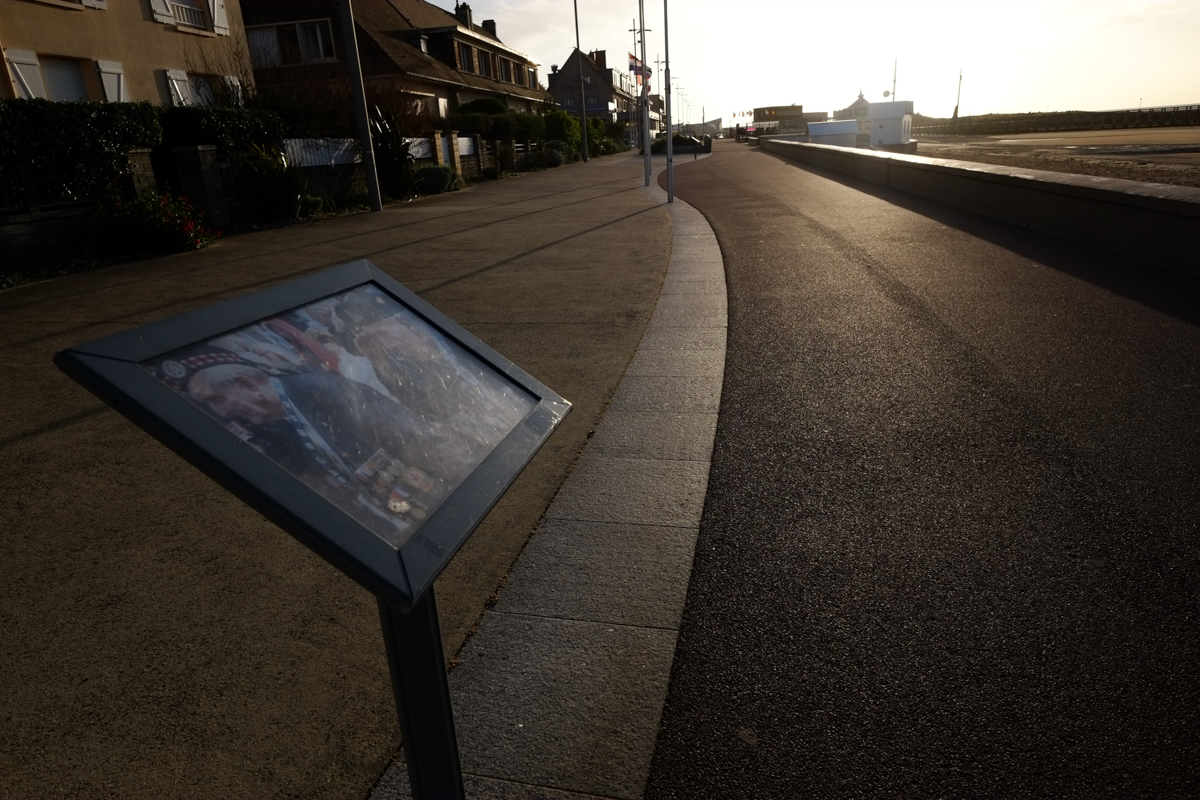
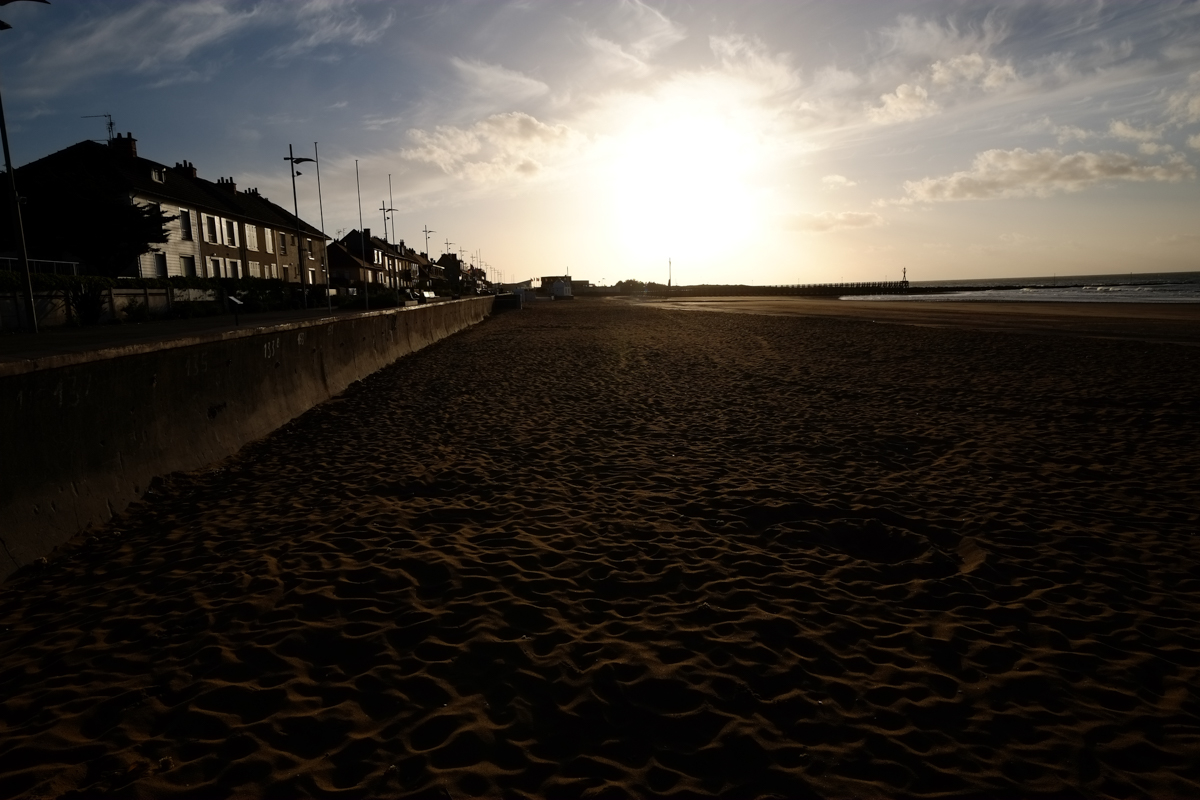
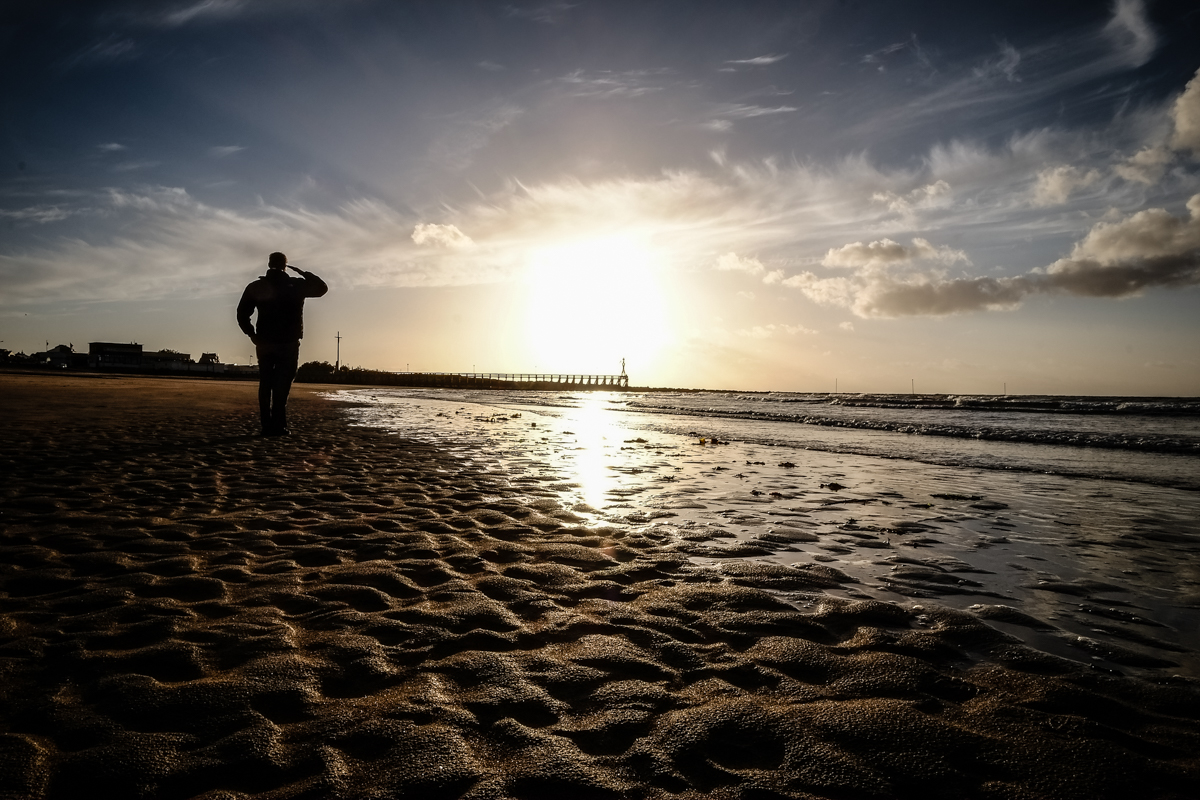
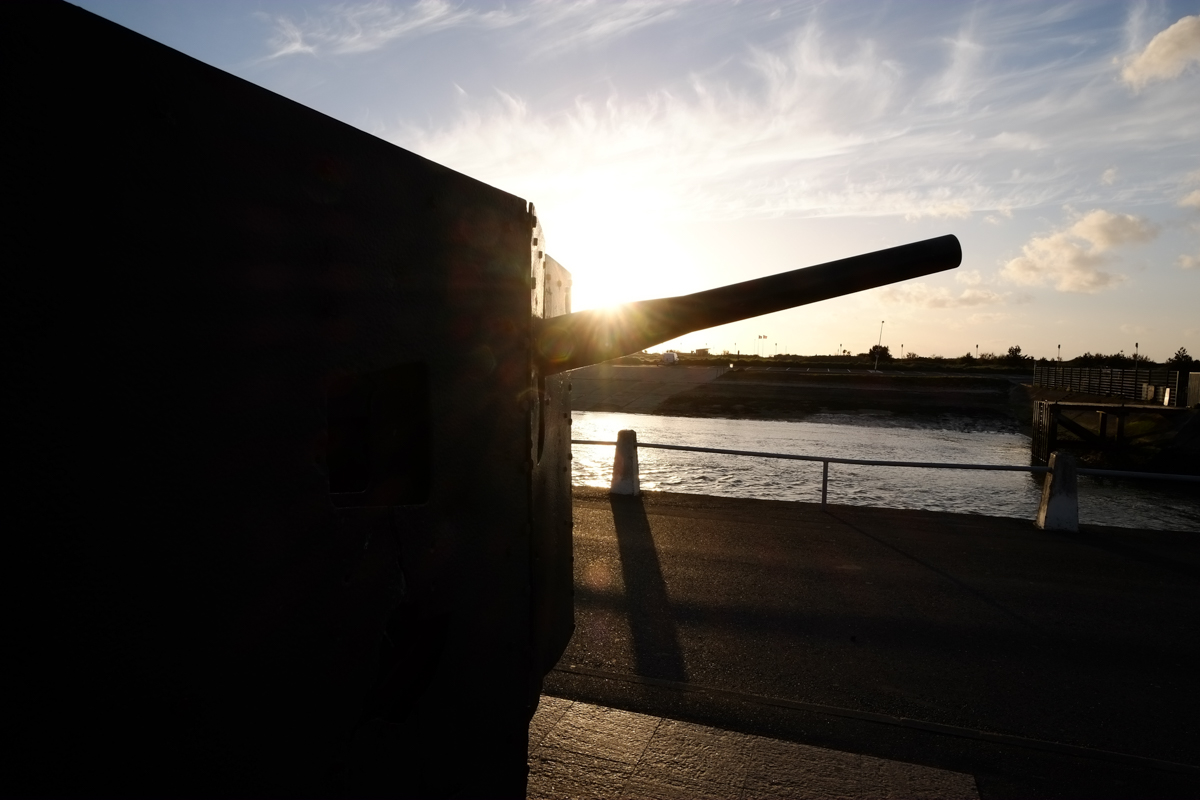
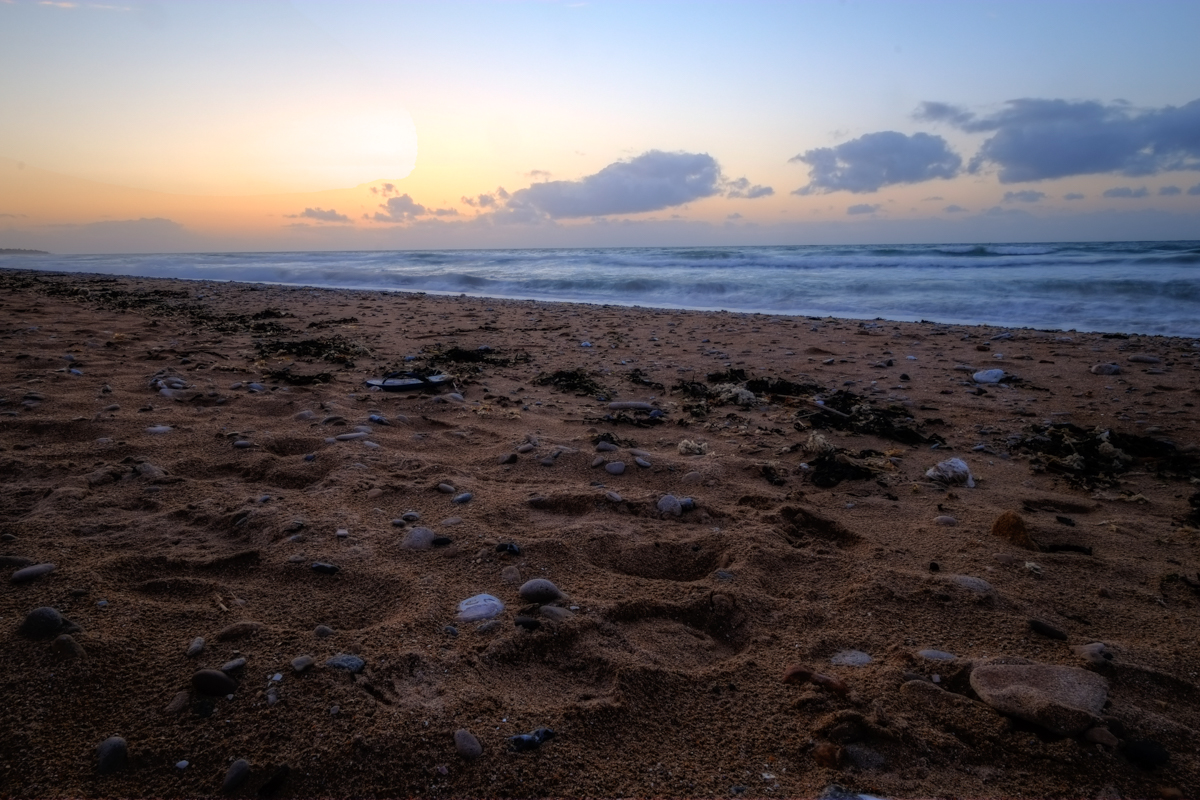
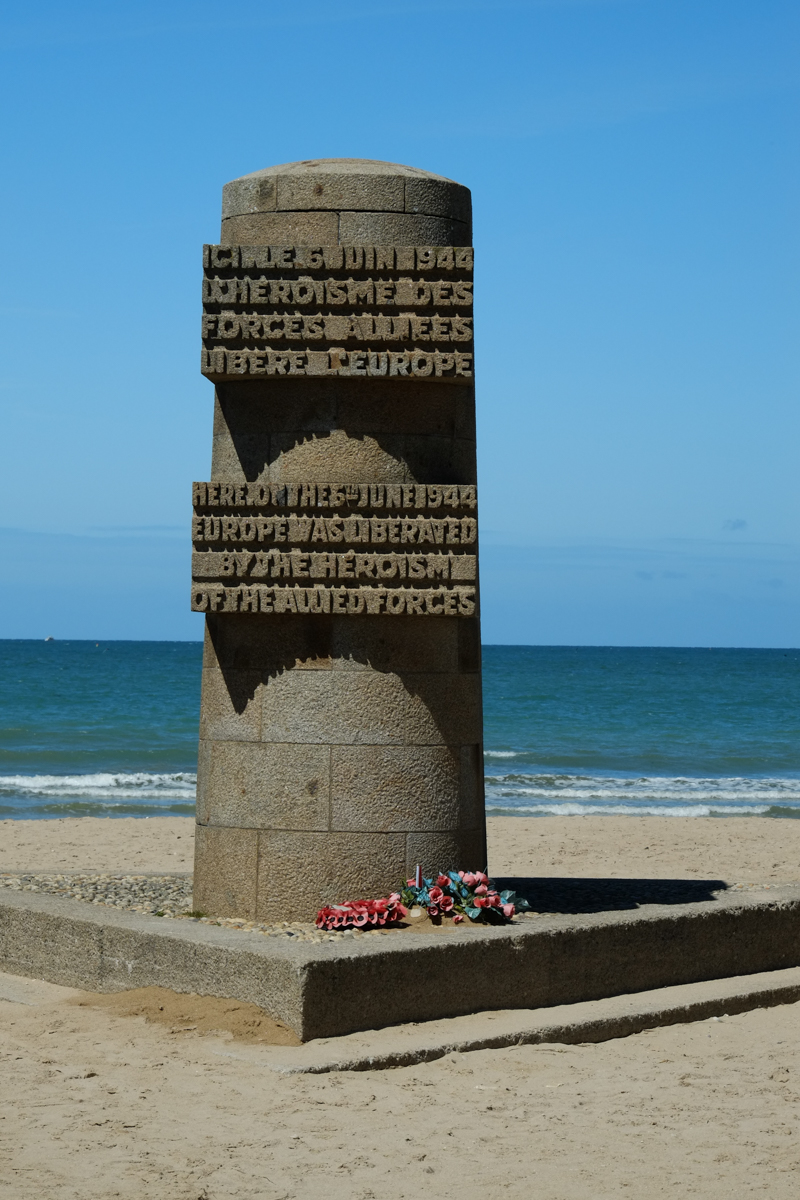
The Canadian beach at Juno (Courseulles-sur-Mer)

The Canadian beach at Juno (Courseulles-sur-Mer)


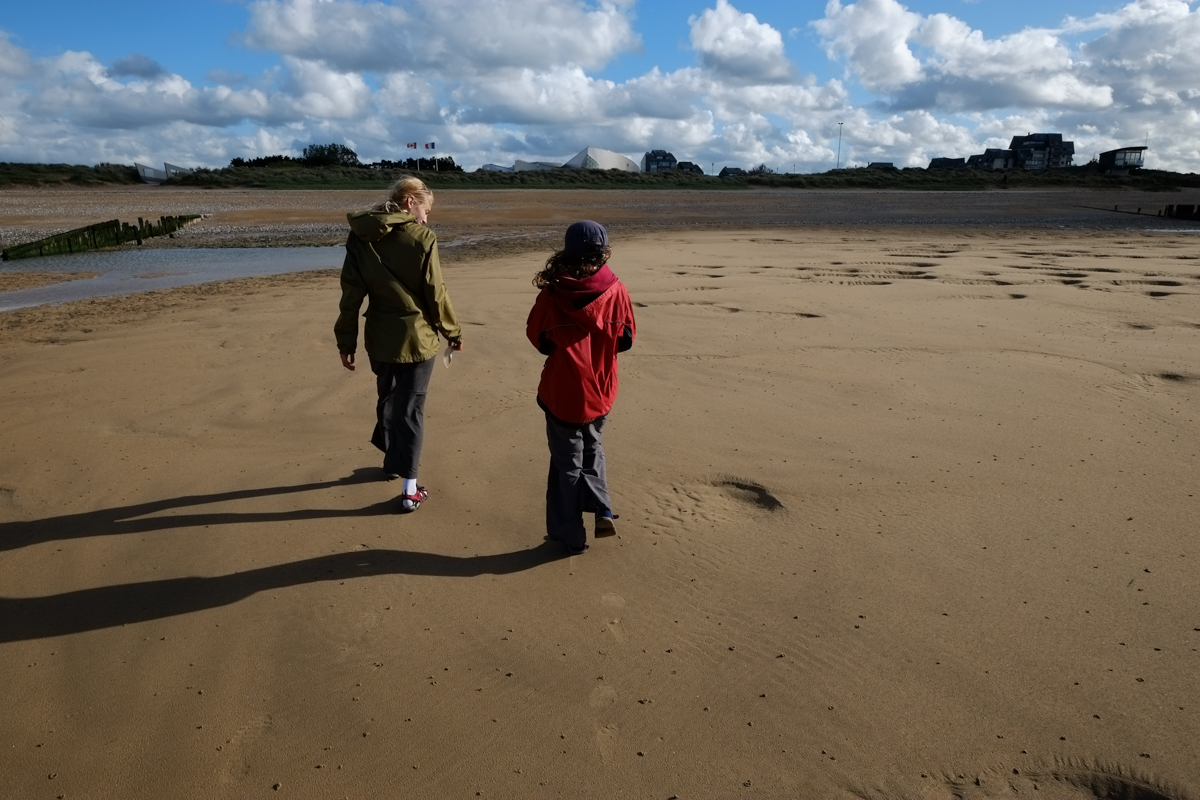
It seems like any sandy beach; peaceful and calm. Even the sand dunes and the nearby village – it could be anywhere.

This beach and the beaches along 80km of coastline are the beaches of D-day – June 6th, 1944, the day when Allied Forces attacked Nazi controlled Fortress Europe and began the Liberation of France, Belgium and the Netherlands.

Now, there isn’t much to see; all the guns have been removed, the barbed wire, land mines, and beach obstacles have been cleared, the villages re-built – it all seems to normal, so quiet, so peaceful.

On that day, June 6th, 1944 – there was no peace here. At dawn the barrage began, with navy ships firing at the beach, and airplanes dropping bombs on German positions.

Off shore from the beaches in Normandy, soldiers loaded into small landing craft to take them to the beaches. They were soaked, seasick and no doubt scared. Many drowned under the weight of their heavy gear after their boats were hit by German artillery, and machine gun bullets, or their boats impaled on the posts in the shallow water. Those that did make it to the beach had to run up the beach at low tide with no protection from the bullets to attack the German machine gun and artillery positions.

Some beaches were ‘relatively’ easy and re-captured (‘liberated’ with few casualties), where as other beaches were heavily defended or required climbing up a steep cliff and many casualties. The Canadians landed at Juno Beach. Within a few hours they had control of the beach and the inland towns. On those early hours of June 6th, 1944 – 359 Canadians lost their lives, and over 700 wounded.

A few weeks ago , I was here with my children (age 9 and 12). A
pilgrimage of sort, for those that were here on that historic day, for those that lost a family member that day, and for those like my family that have no direct connection to the battle – other than it was Canadian soldiers that arrived at this beach, and Canadian soldiers that liberated the Netherlands in May 1945 (and liberated my grandparents and their 10 year old daughter whom was later to be my mother). It is Possible – some of the very same soldiers that survived the attach on this beach on June 6th 1944 also liberated the Netherlands in May 1945 !.

It is impossible to image what was going through the minds of the young Canadian soldiers as they risked their lives on this beach 71 years ago. Today, those that are living, and those that are not, would certainly appreciate what they see – flags, monuments and streets named in their Honor. The Liberated people of France and the Netherlands have not forgotten the dedication and sacrifice of those Canadian soldiers, sailors, and airmen that fought and died so that others can live free.

They still say “Merci” or “Dankjewel”, and I do too.

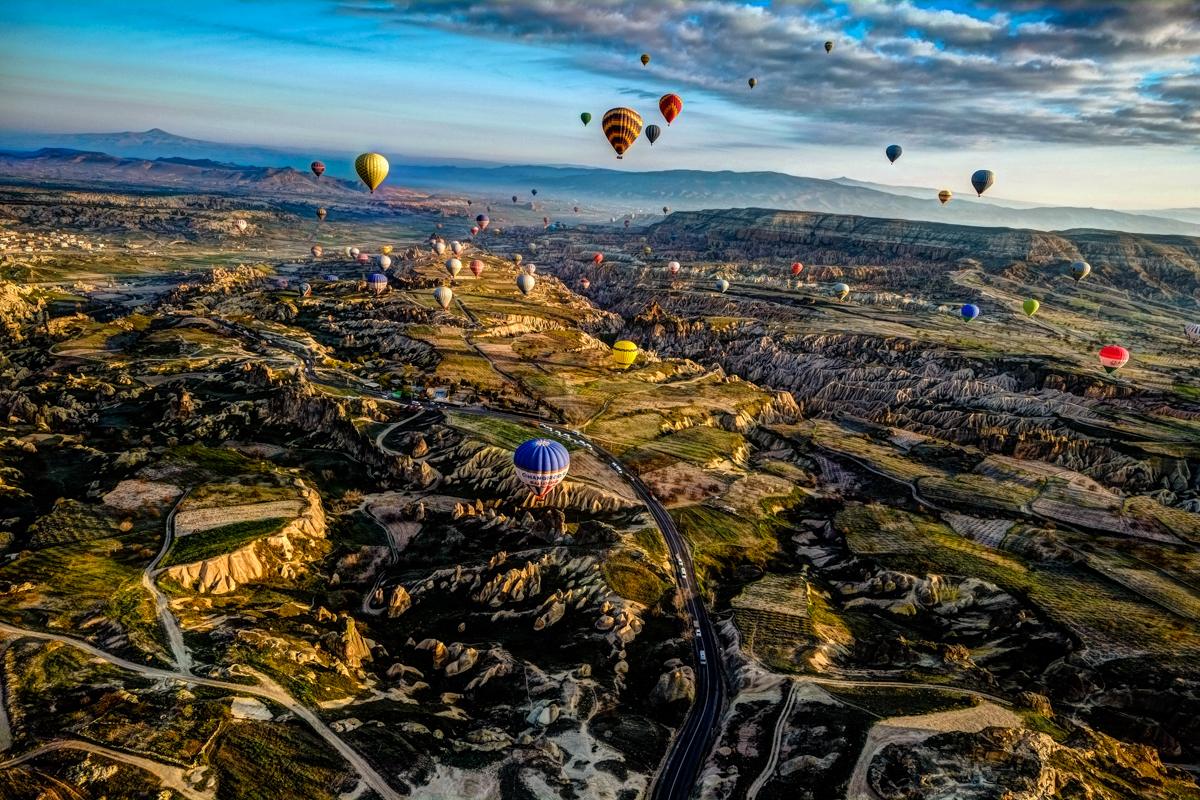
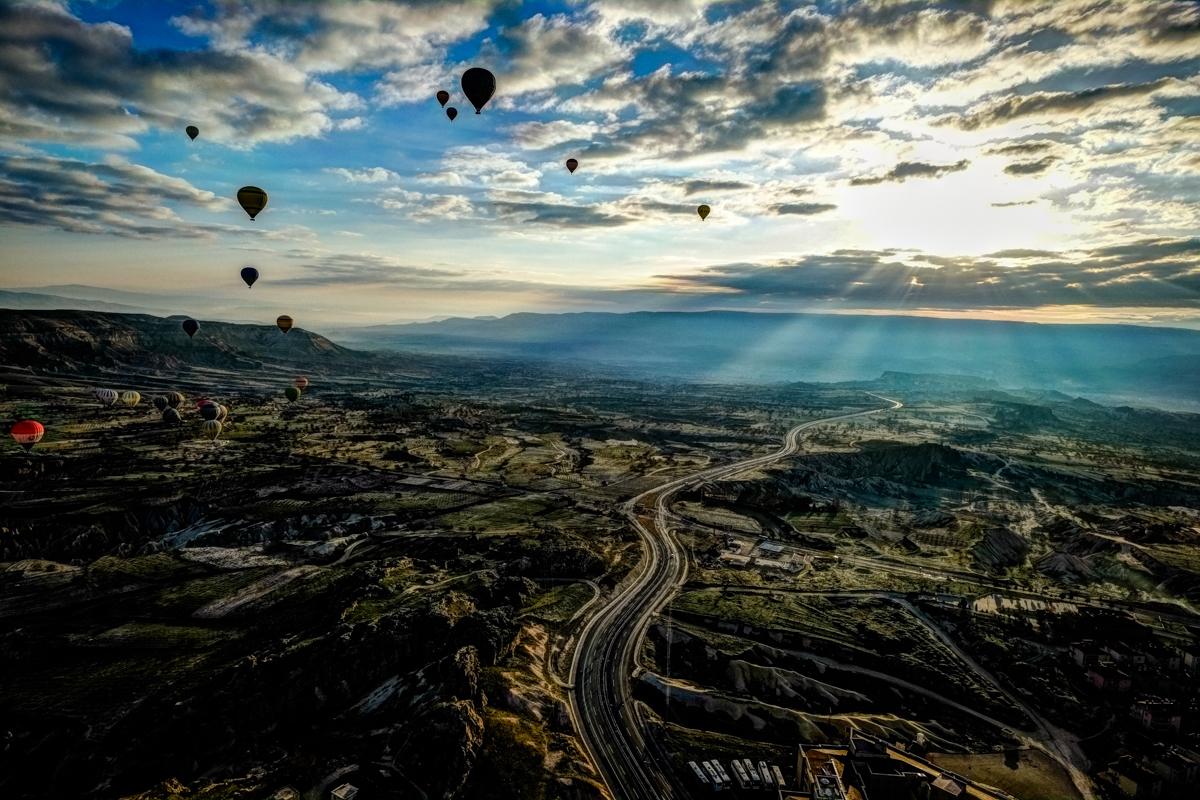
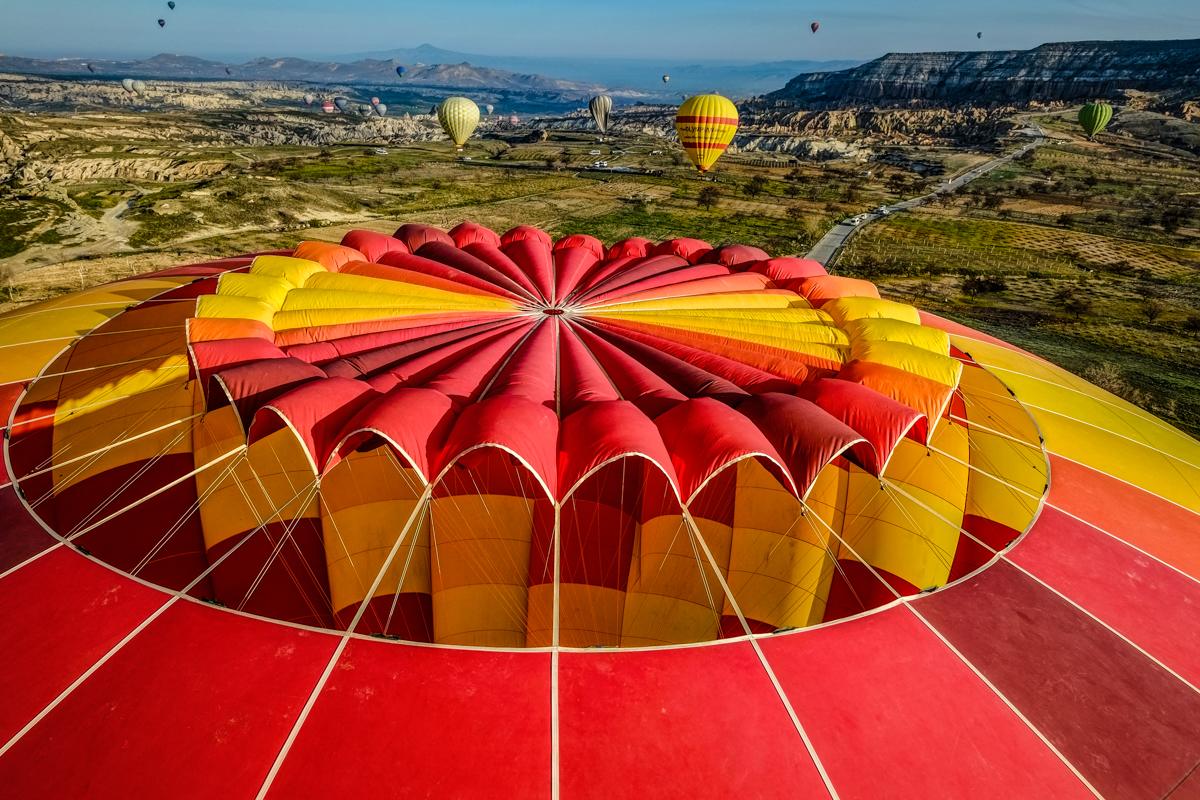
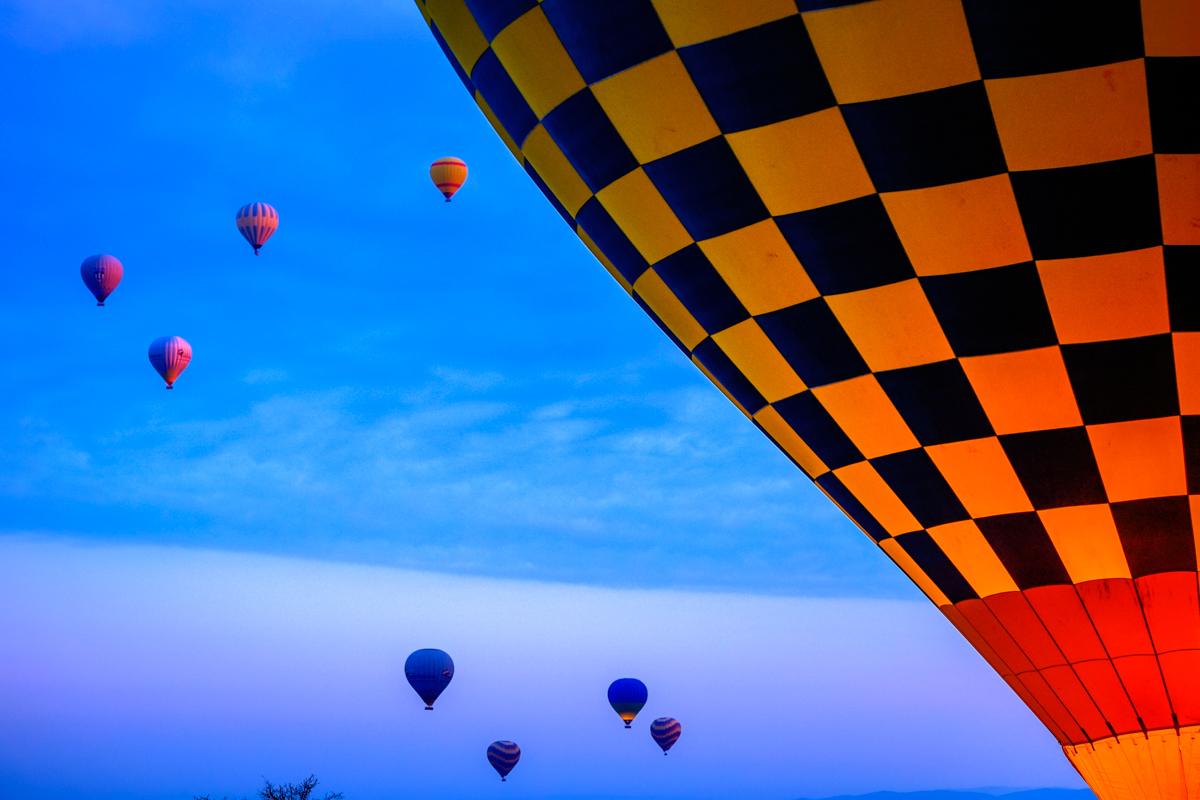
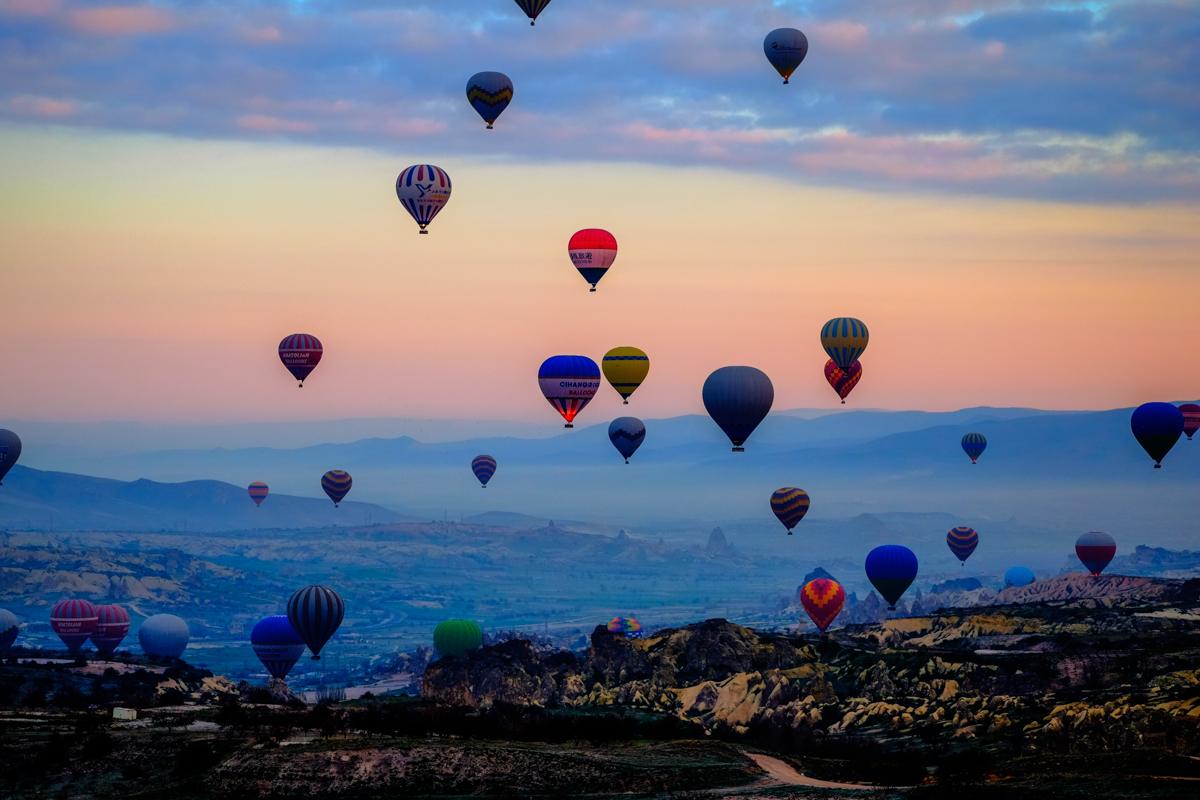
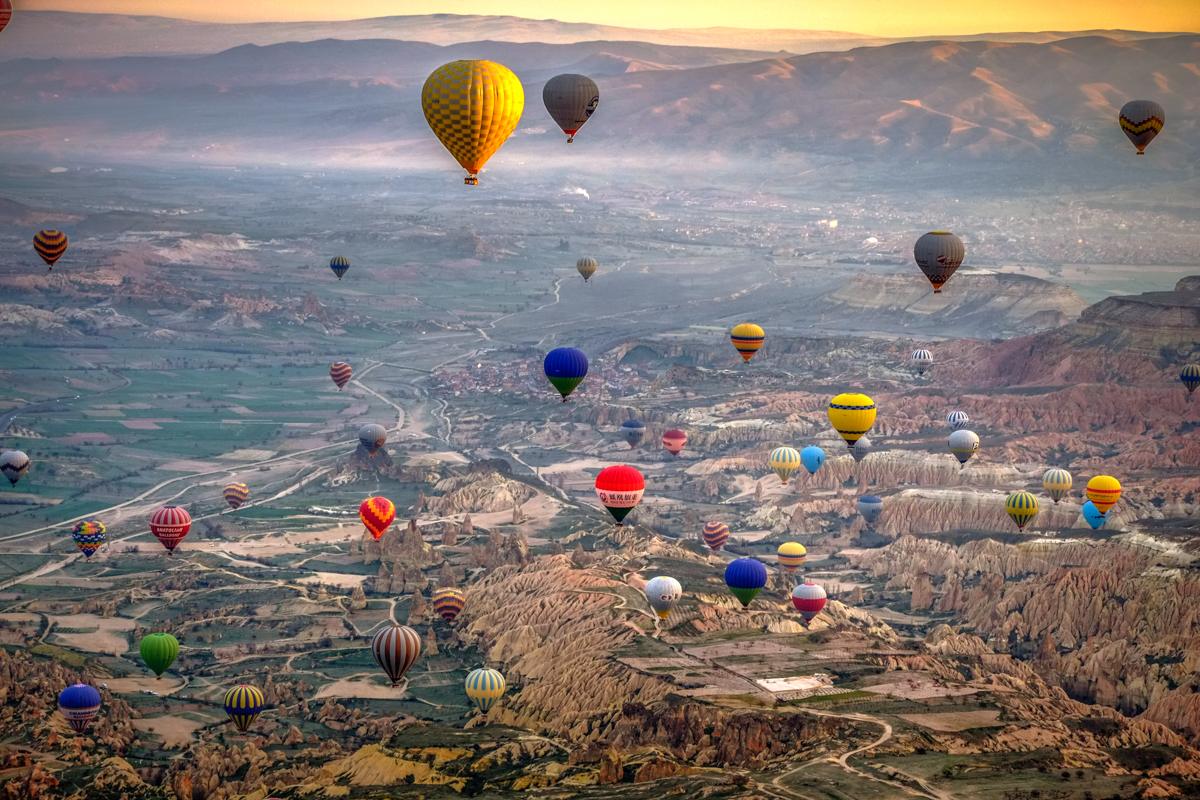
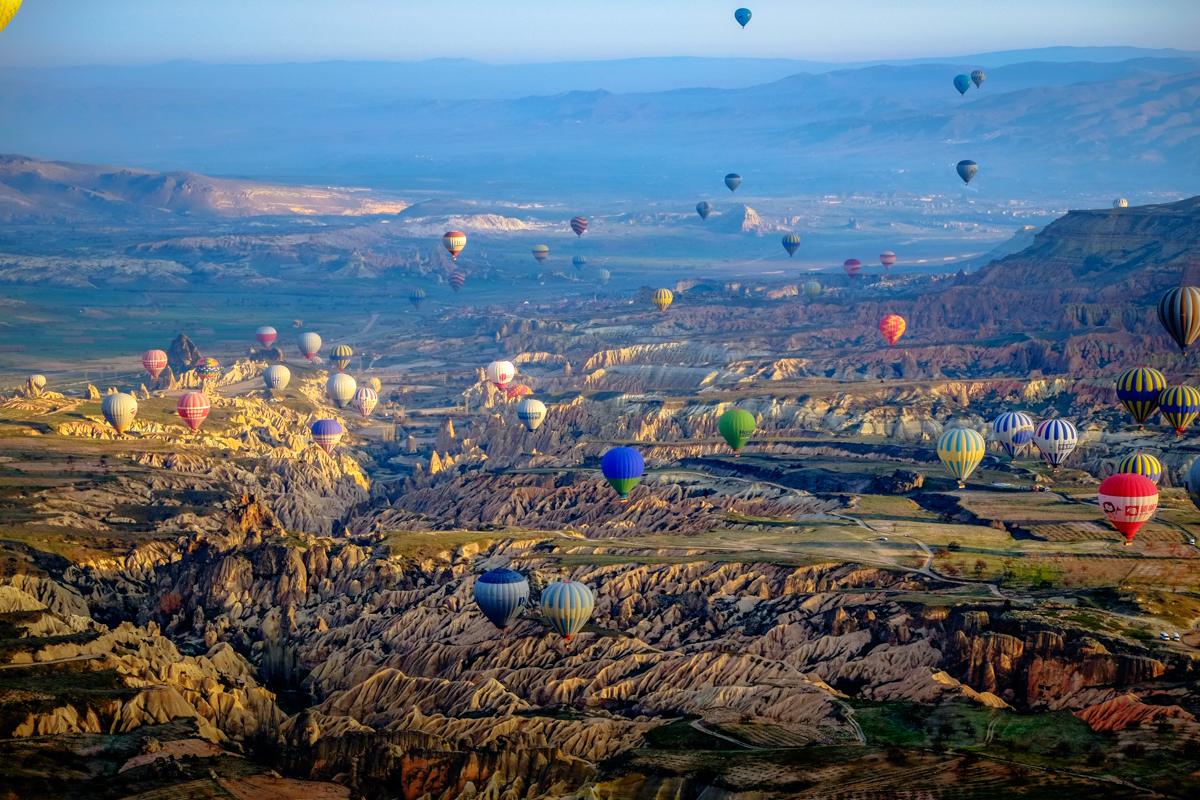
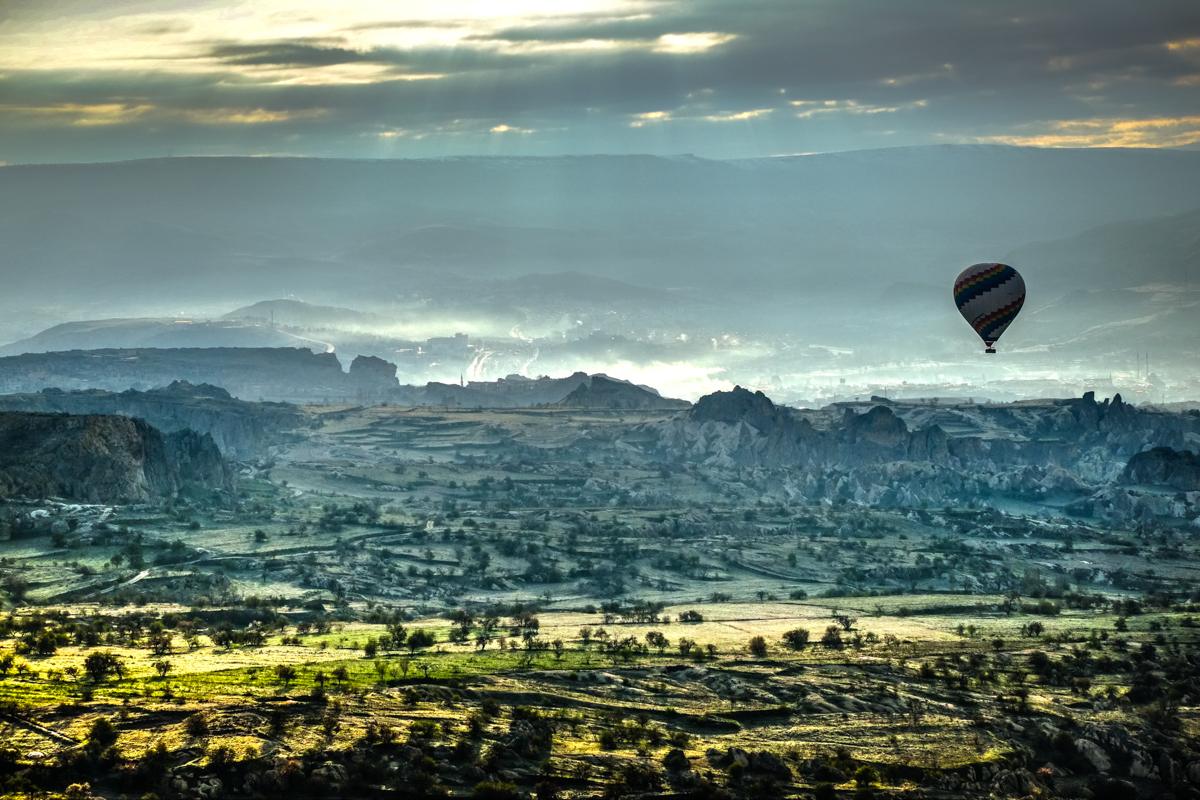
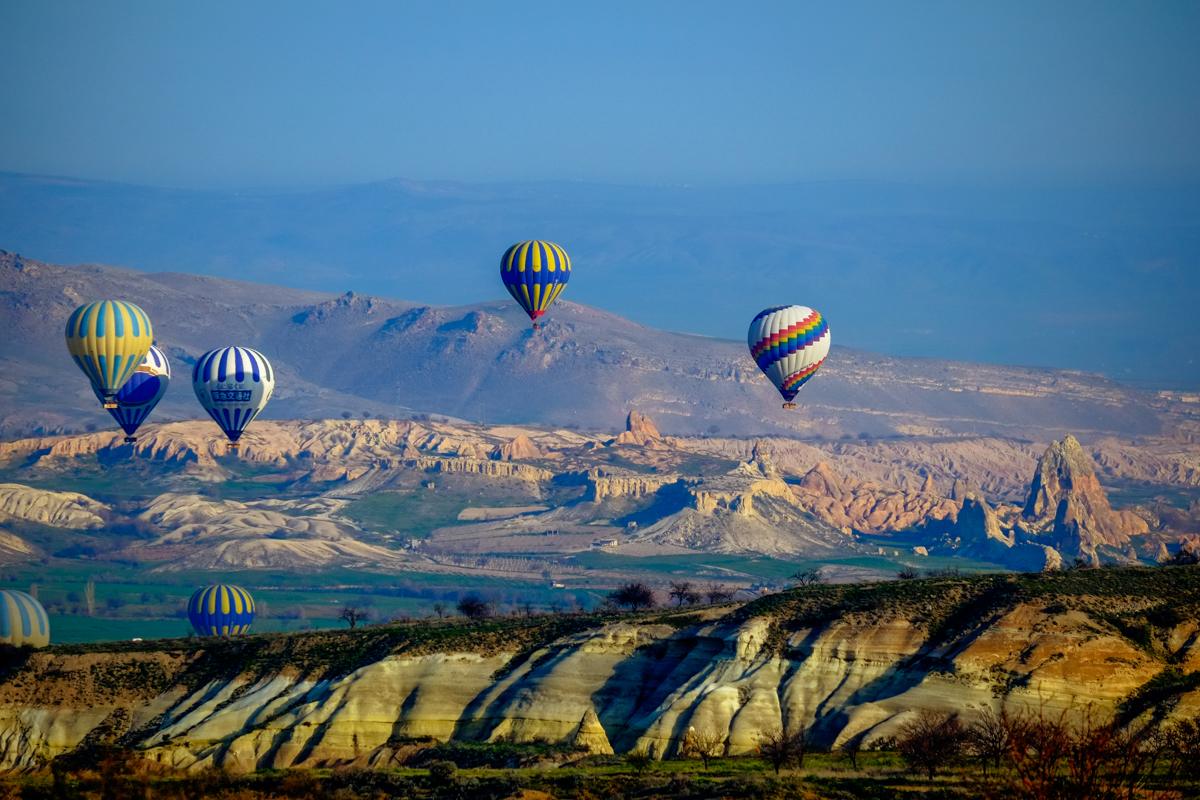
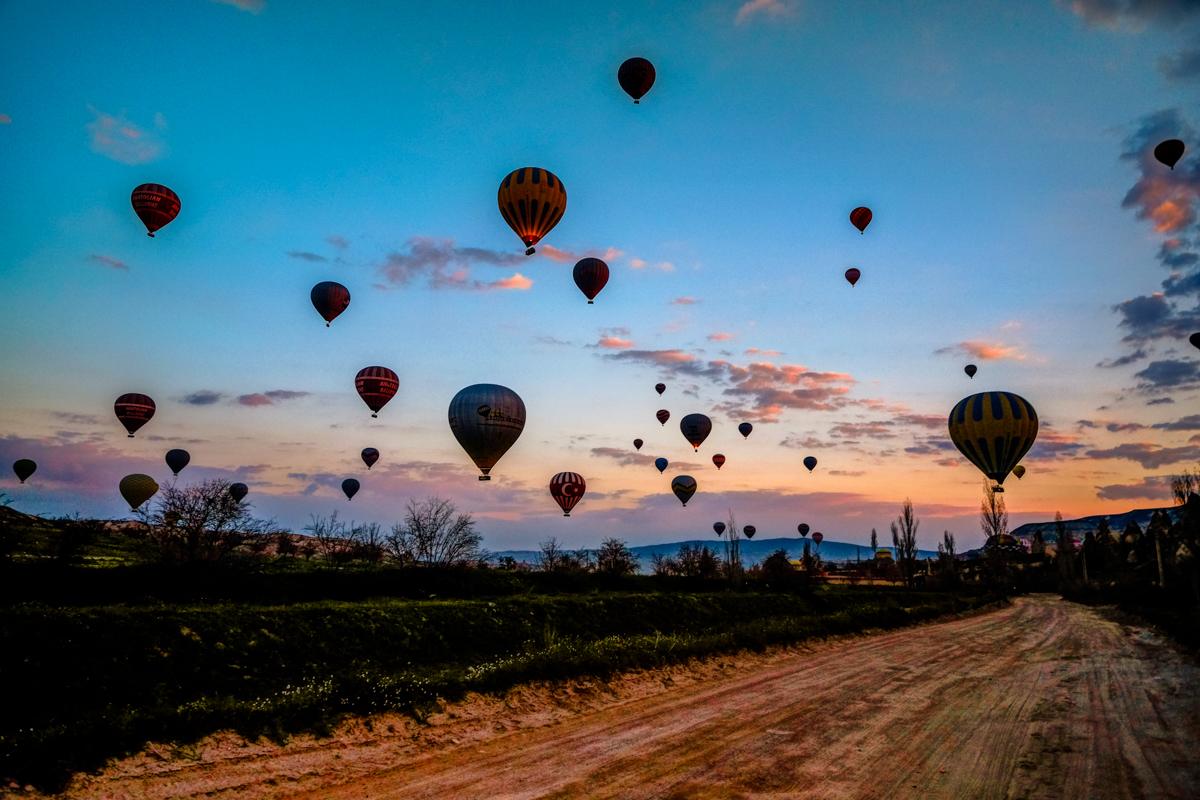
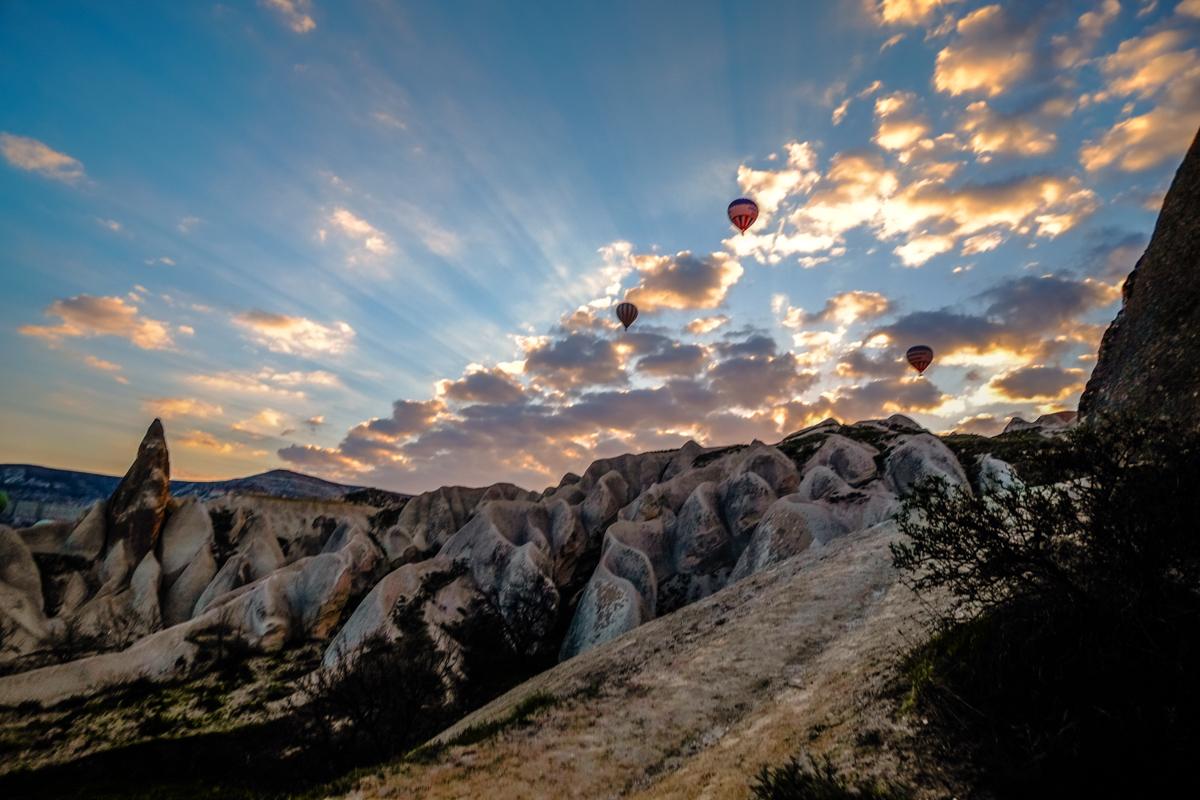
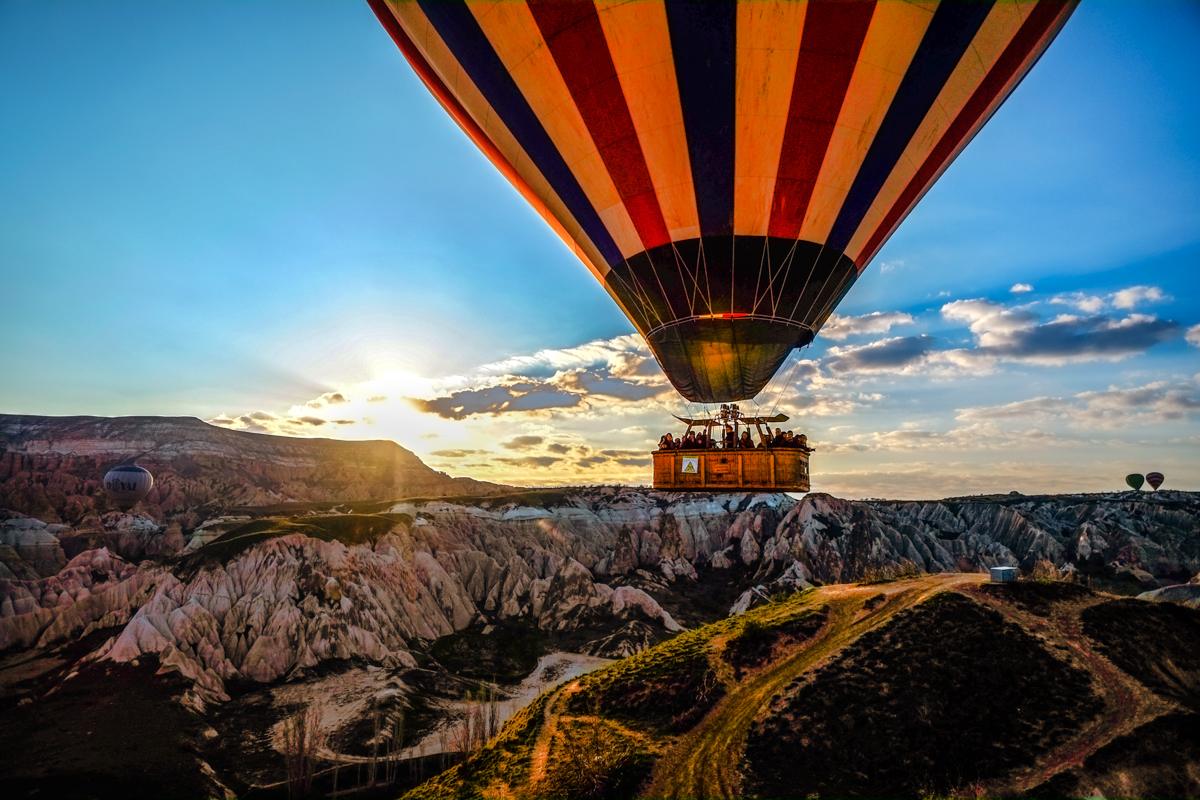
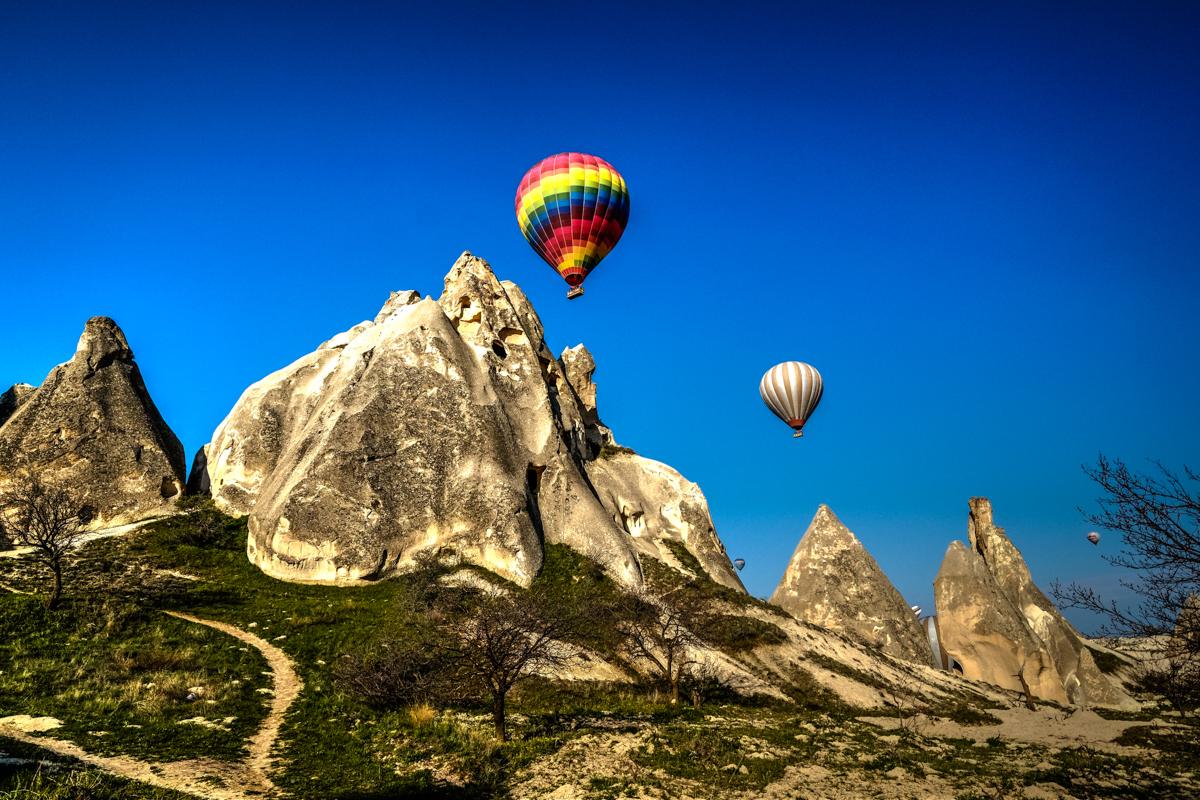
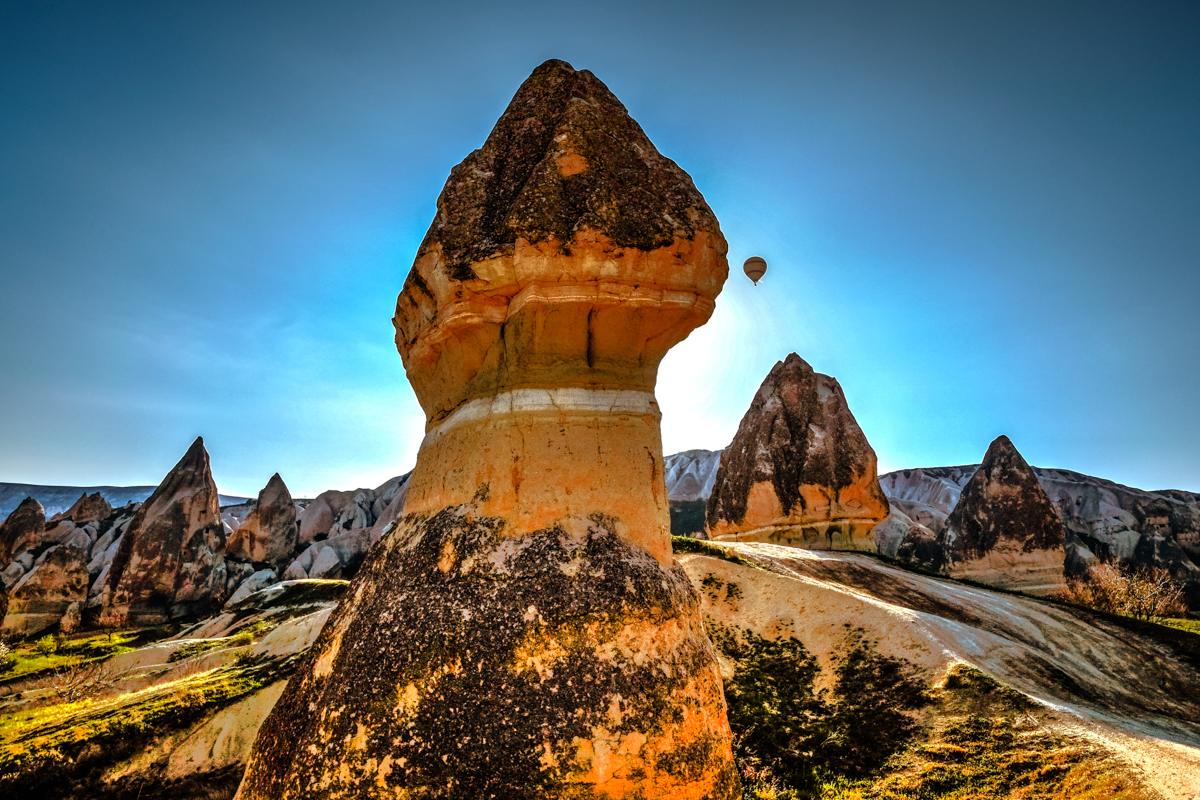
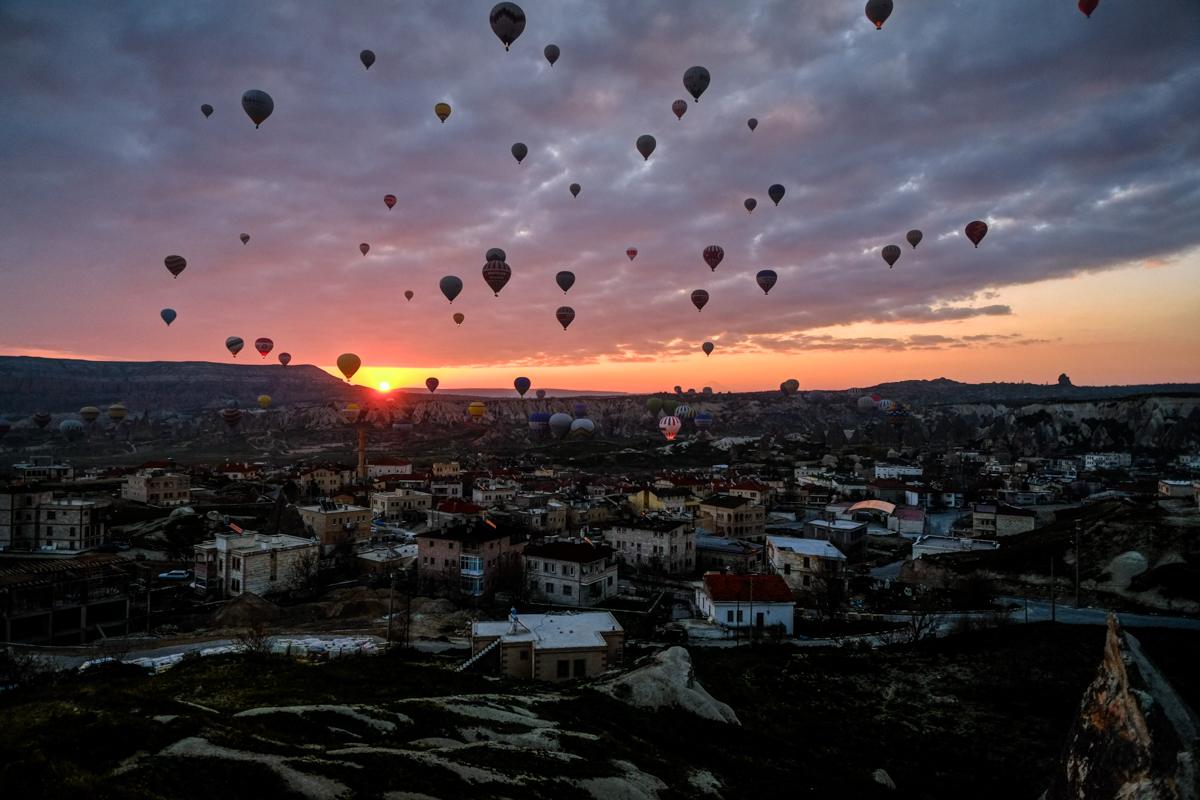
Hot Air Balloons in Goreme (Turkey)

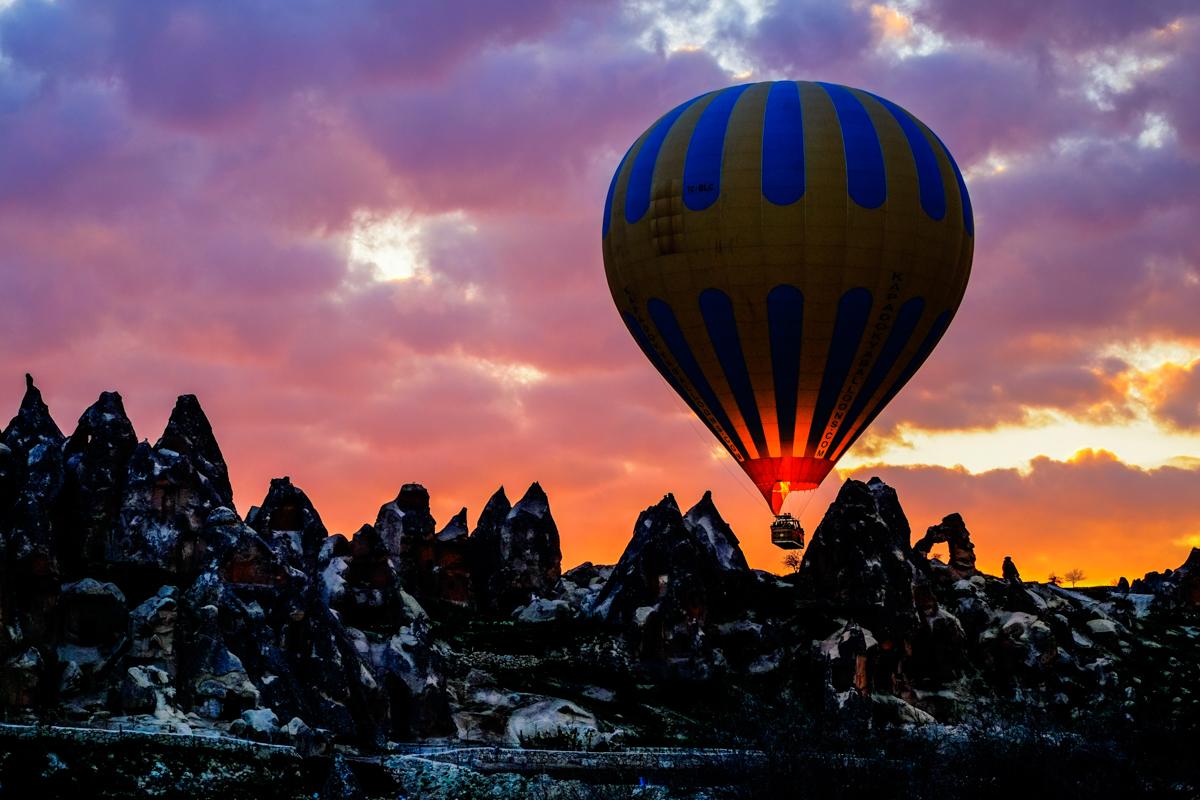
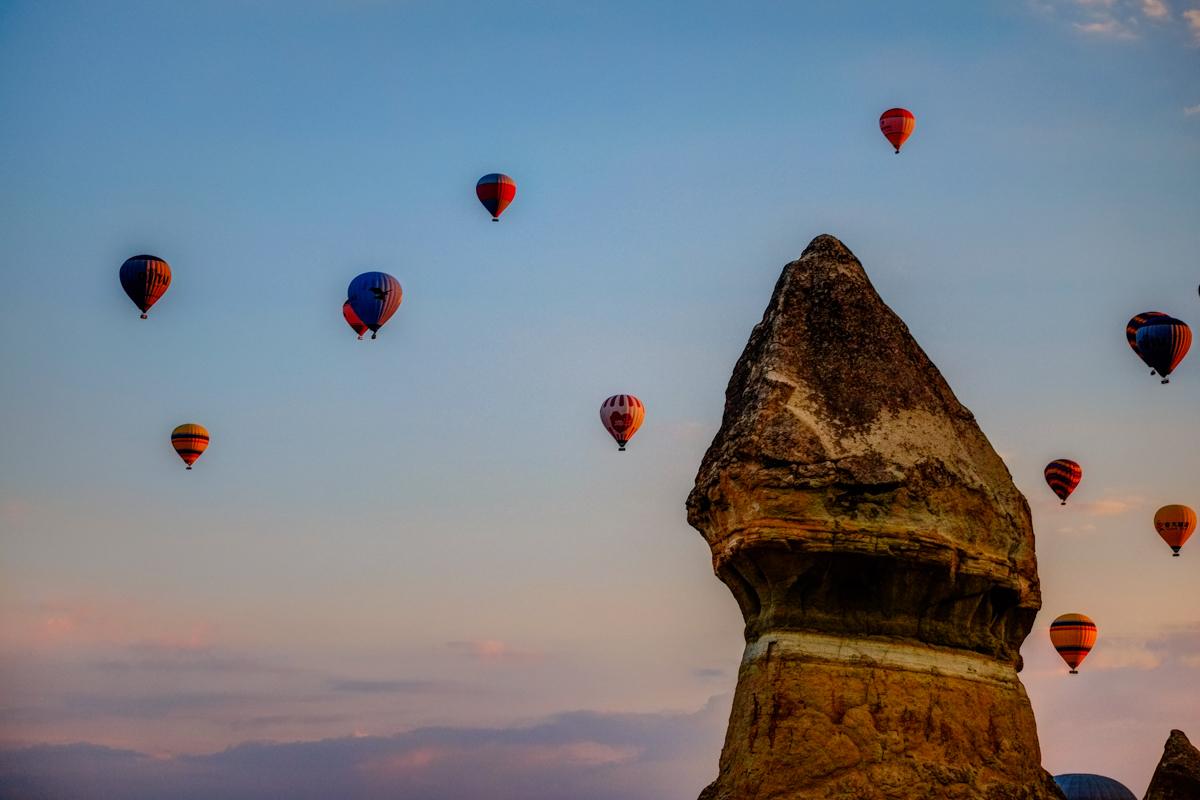
Selected photos of hot air balloons in Goreme, Cappadiccia (Turkey).  All photos taken either while in a hot air balloon, or balloons in-flight – me on Terra Firma.  If you get the chance – do it !

Click on a photo to make it bigger, then click on the small arrows to move to the next photo.


National Geographic Daily Dozen for April 24, 2015

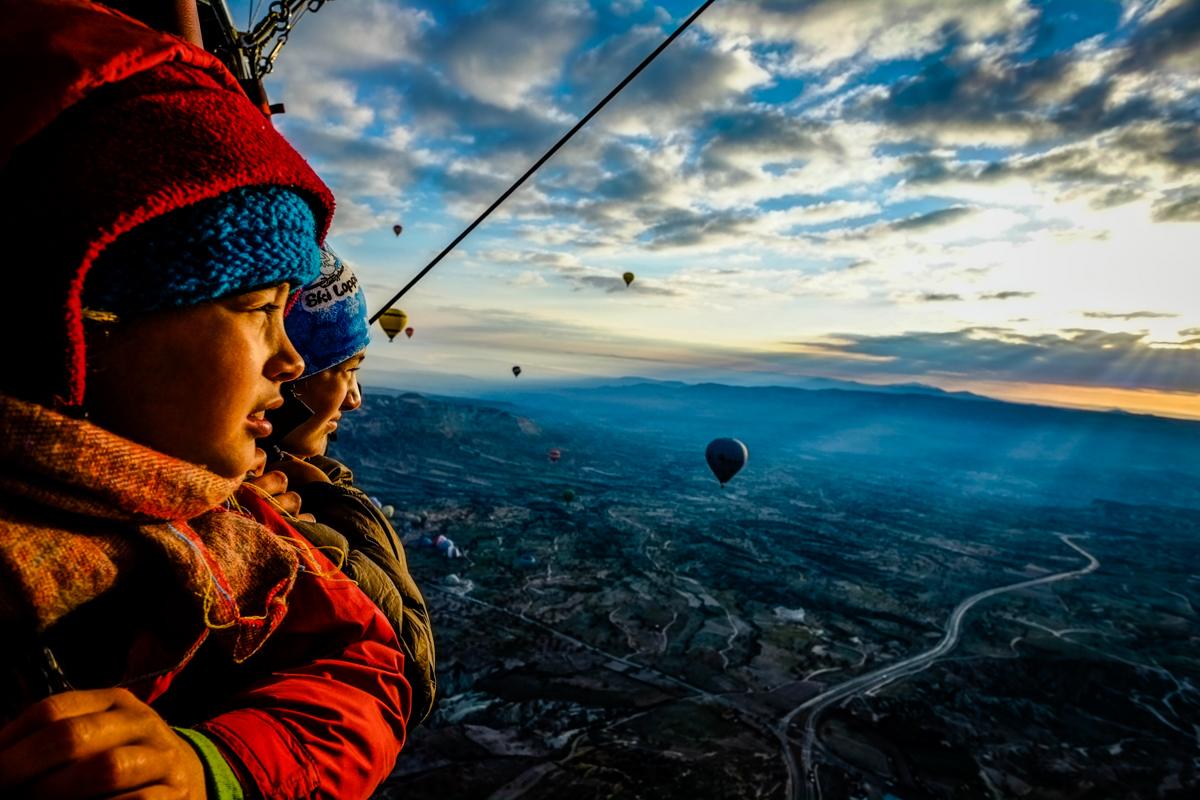
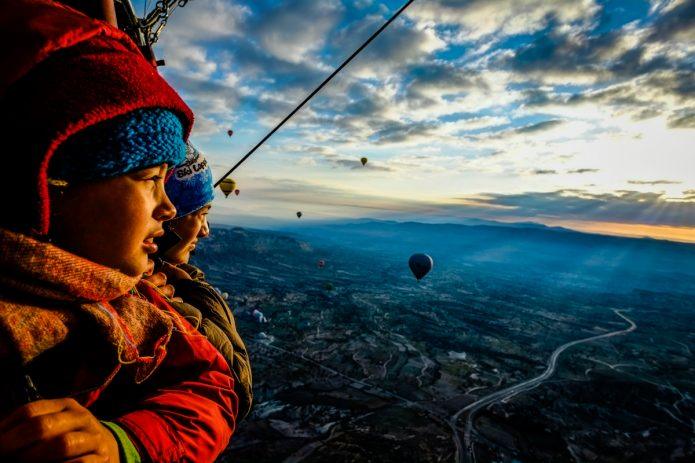
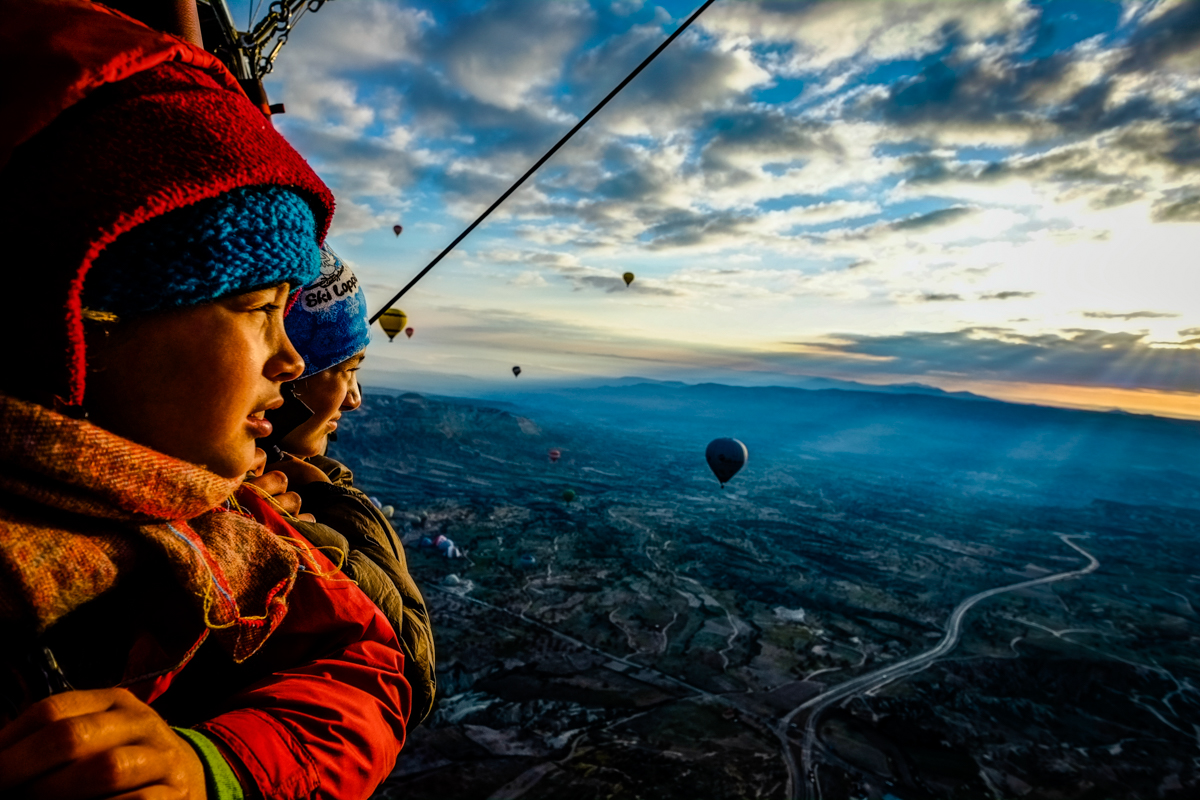
One of my favorite photos, chosen by National Geographic editors.

Enjoying the sunrise a thousand feet up.

During a hot air balloon ride in Cappadoccia (Turkey) with my family, the kids were on the sunny side of the balloon. With my camera strap wrapped around my wrist, I leaned over the side of the basket and composed this photo.
Enjoying the sunrise a thousand feet up.

Enjoying the sunrise a thousand feet up.

Street Photography – the fleeting moments real life.

Street Photography in Konya, Turkey. The photos are nothing special – not a sunrise or sunset, not a glorious landscape, and not a slow-motion photo of waves on a beach. To some people, these photos are boring, where as to others, those that take the time to slow down, and appreciate the world around us – these photos are the fleeting moments real life.


10906127_935948223114724_6113920833964271735_n 11204975_935948339781379_1803212363147586666_n

Call Me ‘Old School’

It is 2015 – and I bought a film camera. Most readers won’t even know what a film camera is. let me put it this way – it is ‘Old School’, just like the rotary telephone, VHS tapes, the ‘walkman’ and LP records.

Yes – I am ‘Old school’. I used all those things as a kid, and now in my adulthood, there is a certain pleasure in using them again.

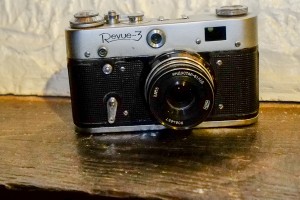
The camera I bought is as old as I am; there is no autofocus, no flash, no light meter and no batteries. It is a simple, though incredibly heavy – all metal and glass rangefinder camera. There isn’t even any plastic, and not even a place to attach a neck strap – it weights as much as a brick !.

It was made in the USSR, again, most readers won’t even know where that is, unless that happen to have heard the Beatles song…’Back in the USSR…’ (Dad – Who are the Beatles?). The USSR no longer exists, a legacy of the Cold War, and the camera (Revue-3) is based on the German Leica cameras from designed and built before World War 2.

Although I do not expect to get professional quality results from this camera

I do expect to have fun, to play, and feel youthful even a bit nostalgic…

Is Your Camera Better than Mine – Or Not.

Is your Camera is Better than Mine – Or Not.

I confess, at times I dream about owning a Leica digital rangefinder M-E; German design, hand built precision engineering – think of the pure joy of owning a Porsche, Audi, or BMW. The price of a Leica M-E is a little steep (new price $4,700), which is almost half as much as it cost me to travel around the world for 10 months. And, that price is for the camera body only, add a Leica Noctilux-M 50mm f/0.95 ASPH Lens – then tack on an additional $6,000.

I also dream about owning a Canon 5dMark III, or a Nikon 810 with a 36mp million pixel sensor, multi-point autofocus array, matrix metering, Full HD video recording, ultra high ISO, built in flash, external flash control and super high shutter speed  (1/8000). Despite dreaming about the other cameras, I am not complaining about my Fuji-X camera, it is small, light, certainly more stealthy than a large DSLRs.

But the camera I am talking about is my newest camera. It is a F-I-L-M camera (yes kids, one of those cameras that you have to open to put in a small container and load the thin plastic sheet; if you loaded it correctly, you can take up to 36 photos, then remove the film and have it developed…). It is a Revue-3 rangefinder camera, consider it the great grandparent of the Leica M-E (copied by the Russians after World War 2).

Compared to the Leica M-E, Canon 5dMark III, Nikon D810 and my Fuji-X cameras – there are a lot of things the Revue-3 does not have have;

    • It isn’t Digital
    • No Light Meter
    • No Autofocus
    • No WiFi upload
    • No flash sync
    • No +/- exposure compensation dial
    • No Auto white balance (or any adjustment for white balance)
    • No adjustment for ISO
    • No Batteries
    • Not even a neckstrap (or anywhere to attach one)
    • It doesn’t have any exposure modes (Program, Automatic, Aperture priority, Shutter priority, Portrait, Fireworks, Beach, Snow etc…), actually, it doesn’t even have any electronics.

      Despite all the things it doesn’t have – Is your camera better than mine – or Not.

Capa0001SHSB1158

Most or all, the (Revue-3) camera doesn’t have anything – I am 100% in control.

I do not have a light meter – adjusting for the correct shutter speed an aperture are based on my knowledge, my experience to manually set exposure (shutter speed and aperture; there is no setting for ISO).

So – Really, is your camera better than mine ?. You decide. For me, the bare bones simplicity of the Revue-3 is my way of learning. There is no option to rely on a computer programmed to recognize light conditions to set, or suggest the correct exposure. Through experience and some trail and error – I am learning about exposure, about the quality and intensity of light, learning about the balance of foreground light and background light, learning about exposure in sunny conditions and exposure in cloudy conditions, and most of all learning about myself – how I see the light.

I do not expect that many of my exposures will be correct, or that the image will be in correct focus. What I do expect, is that the process of taking my time to really look at the scene before me, and examining the light, thinking about the balance between the highlights and the shadows, thinking about the direction of light and how it will effect exposure, thinking about shutter speed and how it affects exposure.

And, when I go back to using a fully computerized digital camera, it will instantly display the ‘correct’ exposure. Not only will my computer – (the one in my head), have a more in-depth knowledge and understanding of what all the numbers on the LCD screen mean and why they were chosen. My computer, based on experience gained using a camera without a light meter, will also be able to suggest other values for aperture and shutter speed to over-ride the computer in the camera for an exposure that is more meaningful to me. 

And to those of you that snicker and giggle when you see me taking my time – taking a long time (sometime a long, long time) to think about exposure while you simply push the button on your auto-everything cameras…

So Is Your Camera (Really) better than mine – Or Not.

Why I bought a Fuji-X

I am often asked by friends and family for suggestions for a new camera. It usually comes up in a conversation like this….”I am going on a trip to (town/country), and need a new camera…What should I buy ?”.
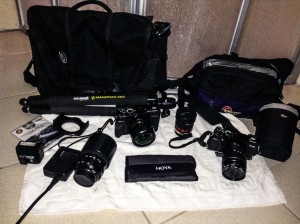
Even with two cameras and three lenses, it is less-than half the size and weight of my Nikon photography gear. I like to travel light.

Even with two cameras and three lenses, it is less-than half the size and weight of my Nikon photography gear. I like to travel light.

My answer is always -it depends on what you want to do with it, and what your expectations are. Basically, it boils down to the camera that meets your criteria for size, weight, cost, features and complexity. In its simplest form, a camera is a tool, and it has often be said ‘use the right tool for the job’. The same can be said for photography….’use the right camera for the job’.

My criteria for a new camera included; small-size, low weight, travel camera, at reasonable cost, and one more criteria–

“It Feels Right”

It is a criteria that goes right to your gut, and it isn’t something I can clearly define. Visualize it as wearing the right pants this morning, you had the right amount of milk and sugar in your coffee this morning.

It is abstract, and not something that can be easily defined or described by dollars, size, weight, or any numerical value. It is not hotter or colder, wetter or drier. Instead, consider it as something that you enjoy using…“It Feels Right”. The flipside, if it does not Feel Right – then, chances are, you wont be having fun, and won’t do it, or use it again.

Ask yourself – would Oscar-Claude Monet have painted Water Lilies, using paint brushes, or paint that did not “Feel Right” ?.

Would Henri Cartier-Bresson have used a camera or lens that did not Feel Right

So – Does the Fuji-X Feel Right for you ?.

You decide: check out the features, assess how it performs, check the lenses, pixel-peep the quality of the images, feel the ergonomics, fiddle with the menus. How do you feel when you use it ?. Does it Feel Right to you ?

My criteria for a new camera for 10 months of traveling included a small, light weight interchangable lens camera, that can perform in low light, and produce good quality images, and of course: Feels Right. To decide, I went to my local camera store and played with different cameras, then found the one that simply ‘Feels Right’. It may or may not have been the most cost effective, highest resolution, most megapixels, most popular, or voted ‘best’ camera. It was simply chosen because it ”Feels Right”.

I selected the Fujifilm X-Pro. From the start, the X-Pro feels solid, the overall ergonomics of the camera felt great, and the position and shape of the the dials (shutter speed, exposure compensation and aperture ring on the lens) felt so natural in my hand (improved with the accessory hand grip). Adjusting the shutter speed is easily done by turning the dial between two fingers, and adjusting the exposure compensation is easy by sliding your thumb. All adjustments can be done without removing your eye from the eyepiece. There is no program, or specialized scene mode – manual, automatic, shutter priority, or aperture priority. So simple. Compared to my Nikon D700, the size and weight of the X-Pro is almost negligible, it’s awesome for travel. An added benefit of the small size, is the discreteness of the camera and the ability to really get in close and mingle with the subjects, without being too obtrusive is a really positive.

Although the X-Pro is not technically a ‘rangefinder’ camera, feels like one and takes some getting used to. The optical viewfinder was what lead me to the X-Pro in the first place. The frame lines let me see what is coming into the frame. It works awesome with wide and normal field of view lenses, but after I bought the Fuji XF 55-200mm lens differences in parallax made it impossible to get the camera to focus on the desired location. With the flick of a small lever on the front of the camera, it changes to an electronic viewfinder that corrects for parallax and shows the exact field of view. A couple of months later, I also purchased a Fujifilm X-E1 as a back-up to the X-Pro, and with the added advantage of having a wide angle lens on one camera and a telephoto lens on the other camera. Both the X-Pro and X-E1 can use the same lenses, have the same battery, and same charger. Having spent quality time with both the X-E1/X-Pro, it is often hard to tell which camera I am using – the performance and the external controls are almost the same. Externally, the X-E1 is physically smaller and it has a tiny pop up TTL flash, and only has an electronic viewfinder. As both the X-Pro and X-E1 have electronic viewfinders – you would expect them to be the same – Not. When I wear sunglasses, the view in the electronic viewfinder of the X-Pro (in landscape orientation) is completely black, whereas in portrait orientation the image is viewable. With the X-E1 (and wearing sunglasses) the view is normal in both landscape and portrait orientation. Why ??. So, fortunately, the X-Pro has an optical view finder that I can use wearing sunglasses, and fortunately, the electronic viewfinder on the X-E1 displays correctly. Both the X-Pro and X-E1 have a +/-2EV exposure compensation dial on the top-right corner that is easily rotated off ‘0’ when handling the camera out of the camera bag. Sometimes it is a pain in the ass, though, on the positive side, it is easy to rotate with my thumb without removing my eye from the viewfinder.

One other feature that won me over to the Fuji-X cameras are the small, light very fast, high quality Fuji-X lenses, and the shallow sensor to flange distance that with appropriate adapters allows other lenses to be used. I’ve got adapters for Nikon, Canon and Leica-R, and someday, might even try a Leica-M and Contax-G lens. With adapters, all lenses are manual focus, which isn’t too bad using focus peaking, though a ‘green dot’ focus confirmation as in the Nikon D700 would make focus-verification easier. Autofocus in Fujifilm X-Pro and X-E1 are good enough for most situations, but not known to be super fast (Note – autofocus in the X-E2 and X-T1 are apparently much faster). I never use ‘Continuous AF’, which literally means continuous focus, and runs continuously even when the shutter button has not been pressed.

Finally, the Quality of the images – this is where using a X-Pro/X-E1 “Feels Right”. Both the Fujifilm X-Pro and X-E1 cameras use the same APS-C X-Trans sensor resulting in fantastic colors and detail, and the images are completely usable and noise images free up to 6400 ISO – which is better than my full frame Nikon D700 DSLR.

As a travel camera, my X-Pro and X-E1 have performed near flawlessly, through humid jungles of Thailand, high altitude mountain treks in Nepal, in the hot and dry Australian outback, dropped in sand on a beach in Turkey, and my camera bag has been thrown aboard buses, trucks, trains, rickshaw, and on the roof of taxis (not even tied down). The weirdest glitch is between the X-E1 and 14mm, they are simply not compatible !. With the 14mm lens, the X-E1 camera locks up, the LCD goes black and flashes. When the camera is turned on/off it repeats. I removed the battery, upgraded the firmware on both lens and body, no effect. I just plan to not use 14mm on X-E1 !.

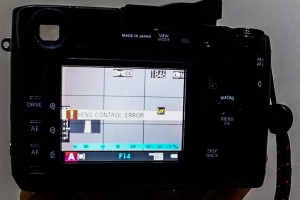
Unfortunately, just before publishing this post, the Fuji XF 18-55mm lens broke !. For some reason the lens, when attached to the camera, the error message on the camera LCD says “Lens Control Error”. After contacting Fuji, and confirming that the lens is still under warranty, although is has to be sent back to the country of purchase – which for me is Canada. So – for this lens to be repaired under Warranty, it has to be sent to Canada, at my expense, then sent back to me – currently traveling in Europe (again at my expense). Shipping the lens across the Atlantic Ocean – twice, is going to add probably more than half the value of the lens !. Surely, a large, International company like Fuji – can work something out with it international partners so that the stupidity of sending a lens back and forth across from Europe to Canada then back to Europe can be avoided….maybe someday !.
 

SHSB9944

Both cameras are now showing some wear and tear. There is black paint scuffed off from the corners exposing the shiny grey metal and a few small dents. Consider this cosmetic wear as creases on a farmers hands – they show life !. At times, during my travels, I confess to having camera envy, seeing other tourists carrying Nikon D4s, D800/810, Canon 5dMkIII, or Leica M9. It could be me, carrying my two D700’s, a 17-35mm lens (or the 14-24mm), and a 70-200mm but that would be 15 kg of camera gear instead, of my Fujifilm gear (two bodies and three lenses) weighing only 6 kg (with the camera bag). Then I remembered that the X-Pro/X-E1 is a very capable camera and there is a lot of appeal traveling with a smaller, travel-friendly camera with high image quality as opposed to hauling around a lot of heavy gear. All the more energy to enjoy my surroundings !.
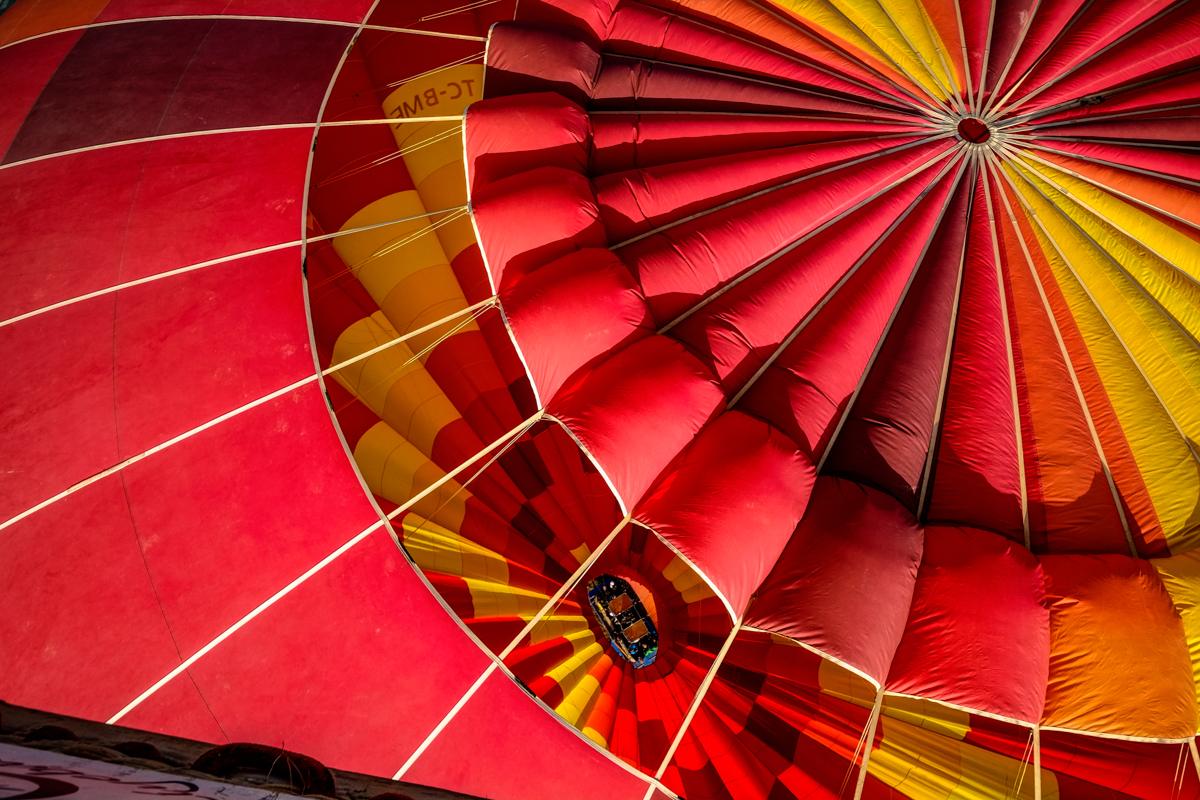
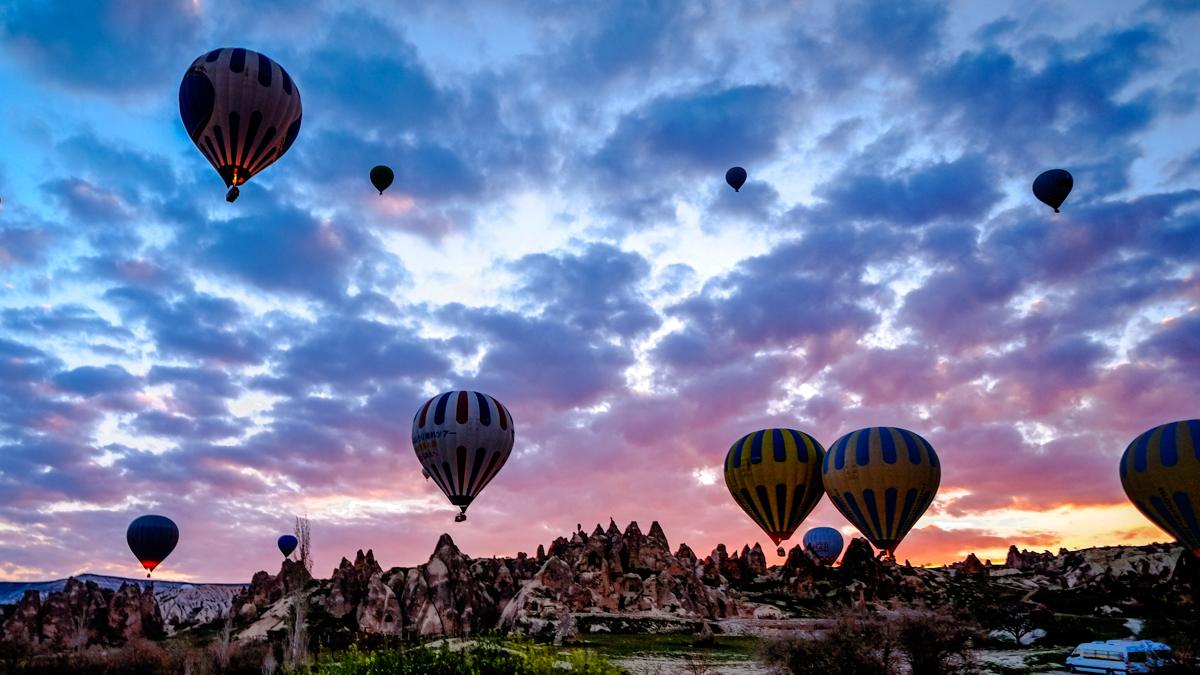
Bottom line – the Fujifilm X-Pro and X-E1 “Feels Right”, and is the Right tool to suit my photography needs.